Oil price surge above $100 signals rising global energy tension as Middle East disruptions tighten supply and drive renewed volatility in crude markets
Oil price trend analysis: Brent above $100 as supply risks and geopolitics reshape the global crude market
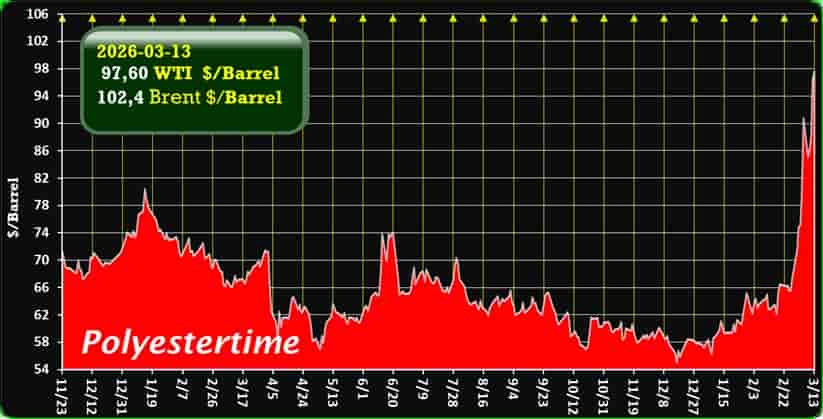
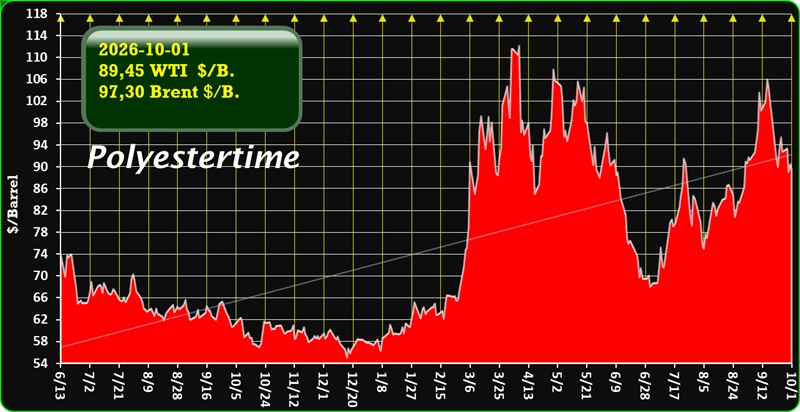
The global oil price has surged sharply in March 2026, reflecting mounting geopolitical tensions and tightening supply conditions in key energy-producing regions. As of March 13, 2026, the oil price for Brent crude is fluctuating roughly between $100 and $110 per barrel, while West Texas Intermediate (WTI) is trading near $95–$105 per barrel. These elevated levels mark one of the most volatile periods for the oil price since the early 2020s.
The latest movement in the oil price reflects a combination of geopolitical disruptions, market expectations around supply, and investor concerns about energy security. The crude market has quickly transitioned from relative stability earlier in the year to a new phase of risk-driven pricing.
Current oil price levels: Brent and WTI benchmarks
The oil price rally has pushed both key benchmarks above psychological thresholds that traders closely monitor.
| Benchmark | Approximate Price Range (March 2026) | Key Market Role |
|---|---|---|
| Brent crude | $100 – $110 per barrel | Global benchmark for international oil trade |
| WTI crude | $95 – $105 per barrel | Main U.S. benchmark |
| Monthly trend | +40% year-on-year increase | Driven by supply disruptions |
Recent trading data shows Brent crude hovering around $100 per barrel, while WTI has stabilized near $95–$96, highlighting strong upward pressure in global energy markets.
The sharp increase in the oil price over the past month underscores how sensitive crude markets remain to geopolitical developments and supply-chain risks.
Geopolitical tensions driving the oil price higher
The biggest catalyst behind the current oil price surge is escalating conflict in the Middle East. Shipping disruptions in the Strait of Hormuz, one of the most important oil transit routes in the world, have significantly reduced global supply flows.
The Strait normally handles roughly 20% of global oil shipments, making any disruption there highly impactful for the global crude price.
Recent military escalation and attacks on tankers have disrupted shipping and reduced oil exports from Gulf producers. According to energy analysts, the flow of oil through the strait has dropped dramatically from normal levels, triggering fears of a prolonged supply shock.
In response, governments and international institutions have taken emergency measures, including releasing strategic petroleum reserves and temporarily easing sanctions on certain oil shipments to stabilize the crude price.
Supply and demand pressures in the oil market
Beyond geopolitics, structural supply and demand factors are also shaping the current oil price trend.
Key drivers include:
-
Reduced production from some Middle Eastern producers due to infrastructure risks
-
Lower global supply growth forecasts from the International Energy Agency
-
Strong demand from Asia and recovering aviation fuel consumption
-
Inventory tightening in major oil storage hubs
The International Energy Agency has already reduced its forecast for global oil supply growth in 2026, citing disruptions tied to the ongoing conflict and damage to energy infrastructure.
At the same time, demand for transportation fuels remains resilient despite economic uncertainty, keeping upward pressure on the crude price.
Role of OPEC+ and major producers
Another factor influencing the oil price is the strategy of major oil producers, particularly the OPEC+ alliance.
While OPEC+ has not yet implemented emergency policy changes, the group is closely monitoring market developments. If supply disruptions persist, the cartel could potentially increase production to stabilize the oil price and prevent extreme volatility.
However, spare capacity among producers is not unlimited. Analysts note that Saudi Arabia and other Gulf producers may hesitate to increase output significantly while security risks remain high in the region.
This delicate balance between supply management and market stability continues to shape expectations for the future oil price trajectory.
Investor sentiment and financial market reactions
Financial markets are also reacting strongly to the surge in the oil price.
Investors are pricing in a “geopolitical risk premium,” meaning traders are willing to pay more for crude contracts to hedge against potential supply shocks. Energy stocks and commodity funds have risen alongside the crude price, while inflation expectations in many economies have also increased.
Goldman Sachs analysts recently suggested that Brent crude could average above $100 per barrel in March, with future price movements largely dependent on whether shipping disruptions continue.
If tanker traffic through the Strait of Hormuz remains constrained, analysts warn the oil price could spike even higher in the short term.
Short-term oil price outlook
Looking ahead, the direction of the oil price will largely depend on three key variables:
| Factor | Potential Impact on Oil Price |
|---|---|
| Middle East geopolitical stability | Most significant driver |
| OPEC+ production policy | Could moderate prices |
| Global economic growth | Determines demand strength |
If shipping routes reopen and tensions ease, the oil price could stabilize around the $90–$100 range. However, prolonged disruptions could push Brent toward $120 or even higher, especially if supply losses continue.
For the global economy, sustained high oil price levels could reignite inflationary pressures, raise transportation costs, and slow economic growth in energy-importing nations.
At the same time, higher crude prices could benefit oil-exporting countries and encourage renewed investment in upstream energy production.
Conclusion
The current crude price rally reflects a classic energy market response to geopolitical risk and supply uncertainty. With Brent crude trading around $100–$110 and WTI near $95–$105, the global oil market is entering a period of heightened volatility.
For investors, policymakers, and energy companies alike, the trajectory of the crude price over the coming weeks will hinge primarily on developments in the Middle East and the stability of global shipping routes.
In the short term, the crude market appears set to remain tight, meaning the oil price could stay elevated unless geopolitical tensions ease or supply flows normalize.
Iran Ships 11.7 Million Barrels Through Hormuz Despite War Shocking Global Energy Markets
More…