Explosive 6-Day Iran War Cost: Pentagon Reveals Shocking $11 Billion Military Spending
Explosive 6-Day Iran War Cost: Pentagon Reveals Shocking $11 Billion Military Spending
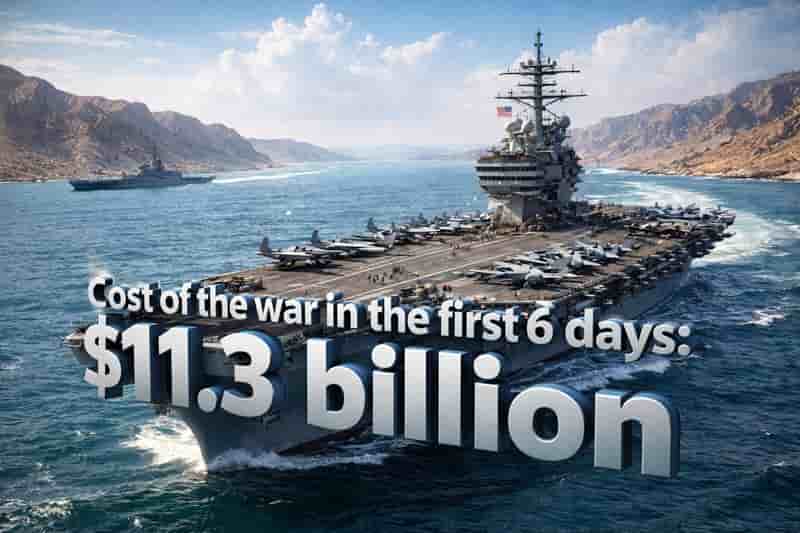
The Iran war cost has already reached staggering levels in the earliest days of the conflict. According to Pentagon briefings presented to members of the US Congress, the first six days of military operations against Iran cost more than 11.3 billion dollars. This figure represents the most comprehensive official estimate so far, although defense officials warn that the true total will likely climb significantly as more expenses are accounted for.
Even this large figure only reflects a portion of the financial burden. It mainly includes immediate operational spending such as weapons, munitions, and missile defense systems used during the opening phase of the campaign. The Iran war cost does not yet include the broader expenses associated with troop deployments, equipment transportation, logistics support, or long-term military readiness.
Billions Burned in the First Days of War
The speed at which the Iran war cost is accumulating highlights the extraordinary financial demands of modern military operations. Pentagon estimates indicate that in just the first two days of the campaign, the United States spent approximately 5.6 billion dollars on munitions alone.
Independent analysts estimate that during the first 100 hours of combat, the overall spending reached roughly 3.7 billion dollars, averaging close to 900 million dollars per day.
Such numbers illustrate a key reality of contemporary warfare. High-intensity conflicts involving advanced technology can consume enormous financial resources within hours. Precision strikes, missile interception systems, and advanced aircraft all require costly equipment and massive logistical support.
In practical terms, the Iran war cost is approaching one billion dollars for every 24 hours of fighting. If the pace continues, the financial burden could quickly multiply over the coming weeks.
Precision Weapons Drive Massive Military Spending
A major portion of the Iran war cost comes from the large-scale use of precision-guided weapons. Modern military doctrine emphasizes accuracy and rapid strikes on strategic targets, which requires sophisticated and expensive munitions.
Among the weapons reportedly used during the first wave of attacks are AGM-154 glide bombs. These precision weapons are designed to strike targets from long distances while maintaining high accuracy. The cost of each unit can range from several hundred thousand dollars depending on the variant.
The US military has attempted to reduce costs by relying more frequently on standard bombs equipped with satellite-guided kits. In these cases, a relatively inexpensive bomb is combined with a guidance module that transforms it into a precision weapon.
While this approach lowers the cost of individual strikes, large-scale operations still generate enormous expenses. When thousands of weapons are deployed in only a few days, the overall Iran war cost rises dramatically.
Missile Defense Systems Add to the Bill
Another major contributor to the Iran war cost is the use of missile defense systems. During the conflict, US forces have relied heavily on advanced interceptor systems such as Patriot and THAAD batteries to neutralize incoming Iranian missiles and drones.
These systems are extremely expensive to operate. Individual interceptor missiles can cost millions of dollars each. In some cases, multiple interceptors are launched to guarantee that a single incoming projectile is destroyed.
This imbalance creates a striking economic dynamic in the conflict. Iranian drones may cost tens of thousands of dollars to produce, while the interceptors used to stop them can cost millions. As a result, defensive operations alone can add billions to the Iran war cost in a matter of days.
Political Debate Intensifies in Washington
The rapidly increasing Iran war cost is already fueling political debate in Washington. Lawmakers from both major parties are demanding greater transparency regarding the financial implications of the conflict.
Some policymakers argue that the United States must increase production of weapons and munitions to sustain modern warfare capabilities. They believe that current stockpiles are insufficient for prolonged high-intensity conflicts.
Others are far more cautious. Several members of Congress worry that continued funding could lead to an open-ended financial commitment without a clearly defined strategy or timeline.
As discussions intensify, the Iran war cost is expected to become a central issue in upcoming budget negotiations.
Economic Ripple Effects Beyond the Battlefield
The direct military spending is only part of the overall Iran war cost. The broader economic consequences may ultimately prove even larger.
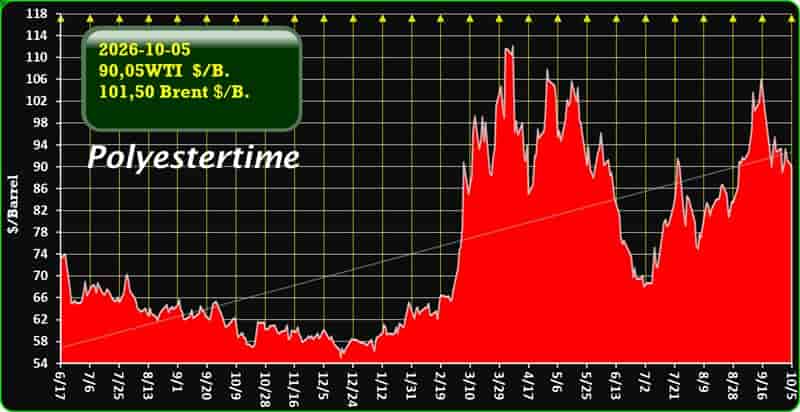
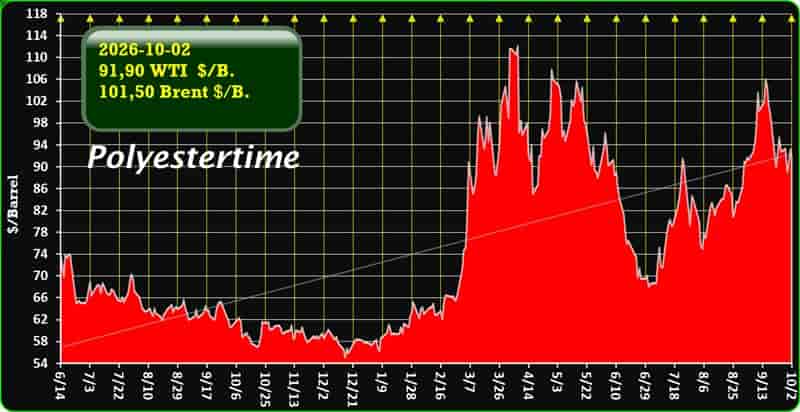
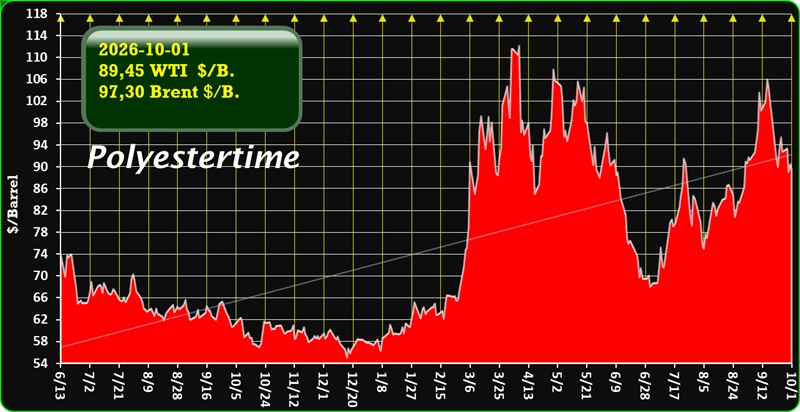
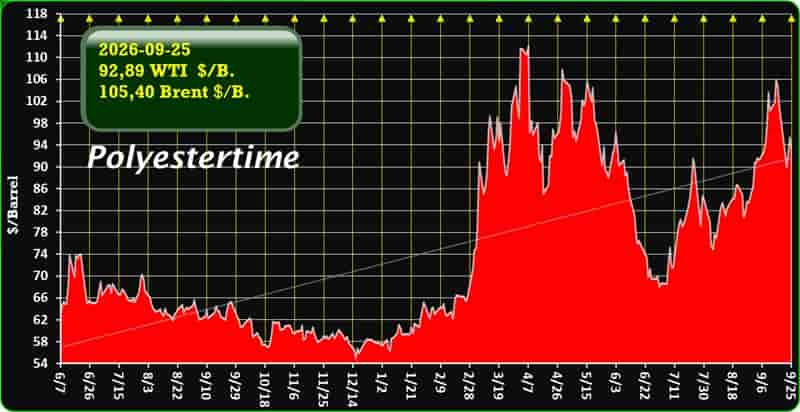
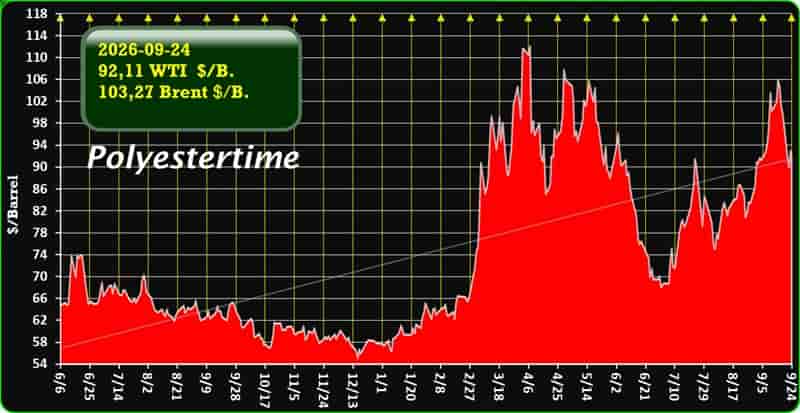
Financial markets reacted immediately when the conflict began, with significant volatility across global exchanges. Energy markets have been particularly sensitive. Oil prices surged as traders worried about disruptions to Middle Eastern shipping routes and the security of the Strait of Hormuz, one of the world’s most critical oil corridors.
Rising energy prices can quickly translate into inflationary pressure across the global economy. Higher fuel costs increase transportation expenses, raise manufacturing prices, and ultimately affect consumers worldwide.
For this reason, economists believe the indirect economic impact of the Iran war cost could reach far beyond the official Pentagon figures.
The True Cost of Modern Warfare
Early estimates show that the Iran war cost reflects a broader trend in modern conflict. Today’s wars rely heavily on advanced technology, precision weapons, and complex defense systems.
These capabilities allow militaries to strike targets rapidly and with high accuracy. However, they also make warfare extraordinarily expensive from the very first day of combat.
The 11.3 billion dollars already spent during the first six days represent only the beginning of the financial story. If the conflict continues at its current intensity, the Iran war cost could rise dramatically in the weeks and months ahead.
One thing is already clear: in twenty-first-century warfare, financial costs accumulate almost as fast as missiles are launched.
7 Dangerous Reasons Trump Chose the Iran Attack Now and Risked Everyt
More…