Black Sea model offers 5 ways to ease dangerous Hormuz oil crisis
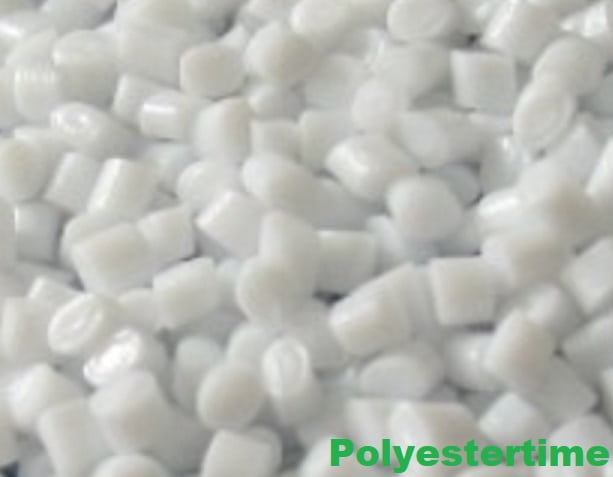
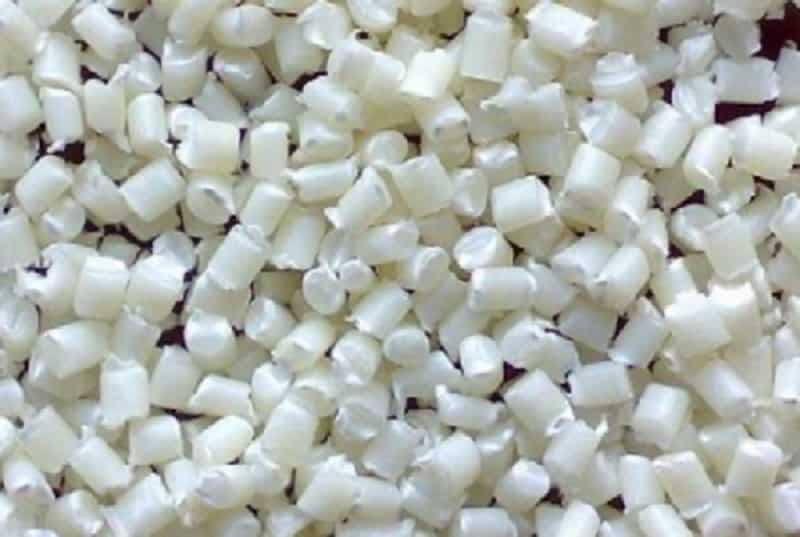
PET bottle grade price
A diplomatic corridor could stabilize global oil flows
The idea of creating a safe maritime corridor in the Strait of Hormuz is rapidly gaining traction among policymakers. Inspired by the Black Sea grain initiative, this model could provide a structured and internationally supervised route for oil shipments, reducing risks tied to escalating tensions in the region.
The Hormuz Strait is one of the most critical energy chokepoints in the world. Roughly one-fifth of global oil and gas flows transit through these waters, making any disruption a direct threat to global markets. As geopolitical tensions involving the United States, Israel, and Iran continue to affect shipping security, the urgency for a diplomatic solution is increasing.
European leaders are now exploring whether a UN-backed initiative, similar to the Ukrainian grain corridor, could ensure the safe passage of tankers without requiring a full ceasefire. This approach reflects a pragmatic shift: managing risk rather than resolving conflict.
Lessons from the Black Sea grain corridor
The Black Sea Grain Initiative demonstrated that even in active conflict zones, structured agreements can maintain critical trade flows. Brokered in 2022 with UN and Turkish mediation, the deal enabled the export of more than 33 million tons of agricultural products, stabilizing global food prices and preventing severe shortages in vulnerable regions.
The mechanism relied on coordinated inspections, clearly defined maritime routes, and multilateral oversight. These elements could be replicated in Hormuz, where the stakes are arguably even higher due to the centrality of oil in global economic stability.
A similar corridor in the Gulf would not eliminate geopolitical tensions but could significantly reduce the risk premium currently embedded in energy prices.
Energy markets and downstream industrial impact
Any disruption in Hormuz does not only affect crude oil. It cascades across petrochemical chains, influencing feedstocks such as paraxylene, PTA, and MEG, which are essential for polyester production.
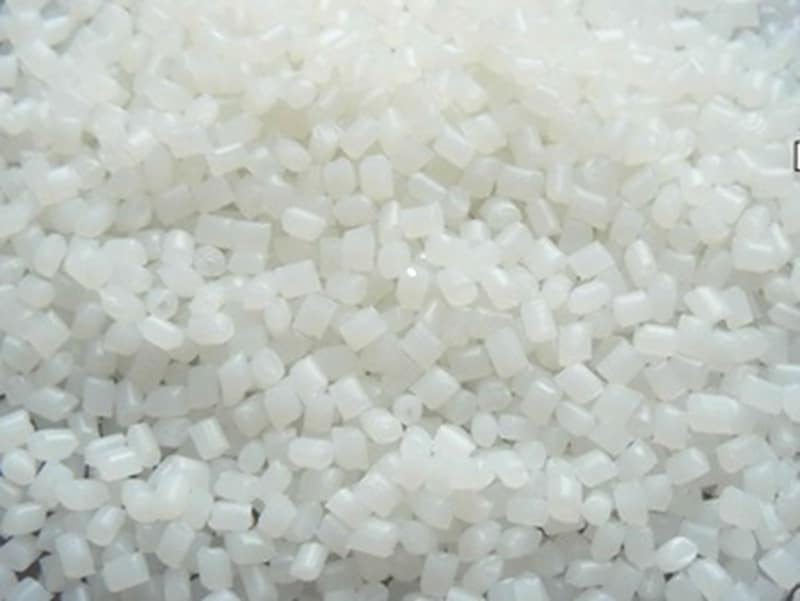
This is where the PET bottle grade price becomes highly relevant. PET resin, widely used in beverage packaging, is directly linked to oil-derived feedstocks. When energy supply risks increase, volatility in the PET bottle grade price typically follows.
In Europe, recent data shows that the PET bottle grade price has fluctuated between approximately 1050 and 1105 USD per metric ton in key markets like the Netherlands and Germany during 2025, reflecting weak demand but stable supply conditions . Meanwhile, Asian benchmarks in early 2026 indicate levels around 900–920 USD per metric ton, highlighting regional disparities driven by feedstock costs and trade flows .
These figures underline how sensitive the PET bottle grade price is to global energy dynamics. A disruption in Hormuz could quickly reverse current price stability.
Why fertilizers and food security are also at risk
Beyond energy and plastics, the Hormuz crisis has implications for fertilizers and agriculture. Many fertilizer inputs are linked to natural gas and petrochemical derivatives. If shipping routes remain constrained, supply shortages could emerge.
This creates a delayed but significant risk: reduced fertilizer availability today can translate into lower agricultural yields tomorrow. The ripple effects would impact food prices globally, particularly in regions already vulnerable to supply shocks.
The Black Sea model previously helped prevent such a scenario by ensuring grain exports continued despite conflict. Applying a similar framework to Hormuz could mitigate both immediate and long-term risks.
Market signals: PET bottle grade price under pressure
Current trends suggest that the PET bottle grade price remains under moderate pressure due to uneven demand and stable feedstock availability. In Europe, weak downstream consumption has limited upward momentum, while global oversupply has capped price increases .
At the same time, tightening availability and rising feedstock costs in early 2026 have provided some support to the PET bottle grade price, especially in certain European markets .
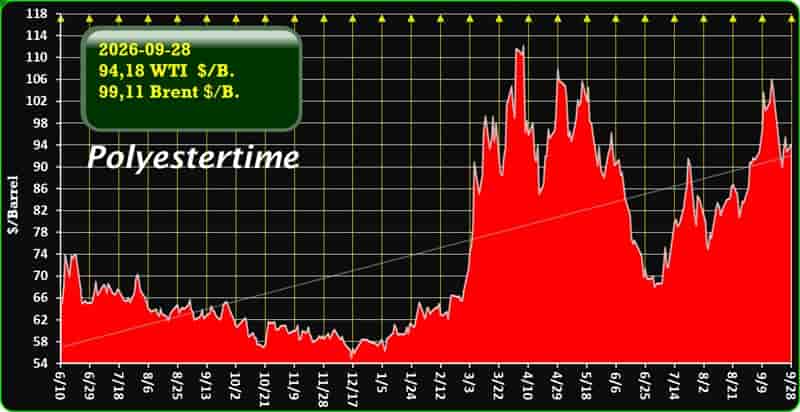
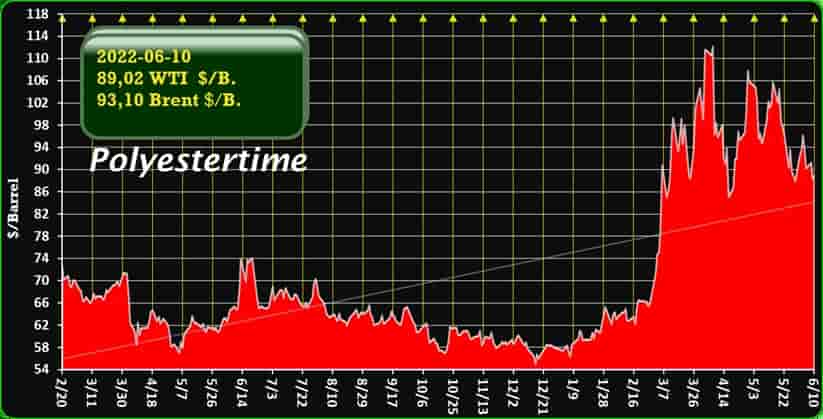
This delicate balance could be disrupted if Hormuz tensions escalate. A spike in oil prices would likely push PTA and MEG costs higher, leading to a rapid increase in the PET bottle grade price across global markets.
For packaging, beverage, and FMCG sectors, this would translate into higher production costs and potential margin compression.
A fragile but realistic solution
The proposed maritime corridor in Hormuz is still at an early stage, and significant political hurdles remain. However, the concept is grounded in a proven model. It offers a realistic path to maintain critical trade flows without requiring full diplomatic resolution.
The success of such an initiative would depend on several factors:
-
Neutral international oversight, likely under the United Nations
-
Cooperation, even if limited, between conflicting parties
-
Transparent inspection and monitoring mechanisms
-
Strong logistical coordination across naval and commercial actors
If implemented effectively, the corridor could stabilize not only oil markets but also downstream sectors influenced by the PET bottle grade price and broader petrochemical chains.
Strategic outlook for industries and policymakers
For industry stakeholders, the key takeaway is clear: geopolitical risk is no longer a distant variable. It directly influences pricing, supply chains, and procurement strategies.
Monitoring the PET bottle grade price alongside energy indicators is becoming essential for companies operating in packaging, chemicals, and manufacturing.
For policymakers, the challenge is to act before disruptions escalate. The Black Sea model provides a template, but timing will be critical. Delayed action could lead to sharper market volatility and more severe economic consequences.
Conclusion
The Black Sea corridor demonstrated that even in conflict scenarios, structured cooperation can safeguard global trade. Applying this model to the Strait of Hormuz could provide a crucial buffer against escalating energy risks.
While uncertainties remain, the potential benefits are significant: stabilized oil flows, controlled PET bottle grade price volatility, and reduced pressure on global supply chains.
In a world increasingly shaped by geopolitical fragmentation, pragmatic solutions like this may become the new standard for managing systemic risk.
Iran Ships 11.7 Million Barrels Through Hormuz Despite War Shocking Global Energy Markets
More…