Polyethylene Prices Lose Momentum as Demand Cools
Polyethylene price trend
Polyethylene Price Uptrend Stalls as Demand Cools
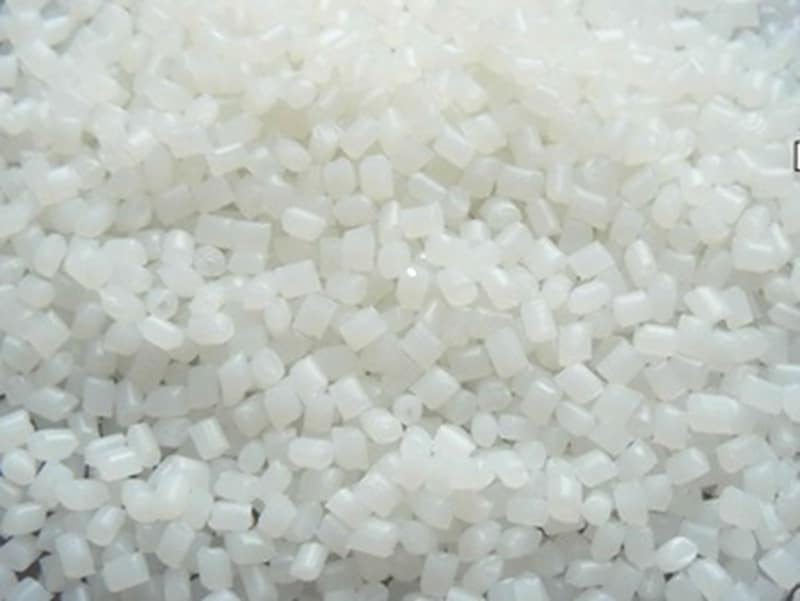
Polyethylene (PE) prices, which had risen steadily through early 2026, are now showing clear signs of losing momentum as global demand cools. Market data indicates that buyers are becoming increasingly selective, while discounted cargoes and affordability constraints are reshaping transaction dynamics. According to C‑MACC’s global polymer analysis, PE transaction economics are currently being dictated by discounted cargoes and cautious purchasing behavior, with feedstock‑driven replacement pricing losing influence over actual deal levels .
A Market Losing Steam Despite Earlier Price Strength
In May 2026, polyethylene prices were still technically higher year‑on‑year — up 11.08% compared to May 2025 — and had risen 2.10% over the past month, according to Trading Economics data . However, this upward trajectory is now flattening as demand weakens across key consuming sectors such as packaging, construction, and consumer goods.
The slowdown is not due to oversupply alone. Instead, it reflects a shift in buyer sentiment: converters are purchasing only what they need, delaying restocking, and resisting higher offers. This behavior is consistent with the broader trend of selective purchasing highlighted in recent polymer market reports .
Geopolitical Disruptions Still Influence Feedstock Costs
Earlier in 2026, the blockade of the Strait of Hormuz triggered a sharp rise in naphtha prices — a key feedstock for polyethylene — creating cost pressure for producers in Europe and Asia . This contributed to the initial PE price rally. But as demand cools, these feedstock‑driven increases are no longer fully translating into higher transaction prices.
The result is a disconnect between benchmark pricing and real physical market economics, with regional arbitrage and logistics disruptions further fragmenting global pricing patterns .
Demand Softens Across Global Markets
Despite long‑term structural growth in PE consumption — driven by packaging, automotive, construction, and textiles — short‑term demand has clearly weakened. Trade data for 2026 shows that while the plastics industry continues to expand, firms are increasingly cautious and are reassessing procurement strategies to match real consumption needs .
This cooling demand is now the dominant factor slowing the PE price uptrend.
Short‑Term Outlook: Sideways to Slightly Soft
Based on current market signals:
-
Prices are likely to move sideways in the near term.
-
Downward pressure may emerge if demand continues to soften.
-
Upside risk remains tied to geopolitical instability and feedstock volatility.
Trading Economics forecasts polyethylene to trade around 8151 CNY/T by the end of this quarter, with a potential rise to 8667 CNY/T within 12 months — but these projections assume stable demand, which is not guaranteed in the current environment .
What This Means for the Global Plastics and Energy Markets
A stalled PE uptrend has several implications:
-
Converters may benefit from more stable or slightly lower resin costs.
-
Producers face margin pressure as feedstock costs remain elevated.
-
Traders must navigate fragmented regional pricing and inconsistent arbitrage opportunities.
-
Downstream industries may see improved cost conditions if the cooling trend persists.
Overall, the market is transitioning from a feedstock‑driven rally to a demand‑driven stabilization phase.
More…