Oil Prices Surge as US-Iran Tensions Escalate: Brent Above $110 and WTI Over $103
Oil Prices Surge as US-Iran Tensions Escalate
Oil Prices and US-Iran War
Brent and WTI Remain Elevated Amid Geopolitical Tensions
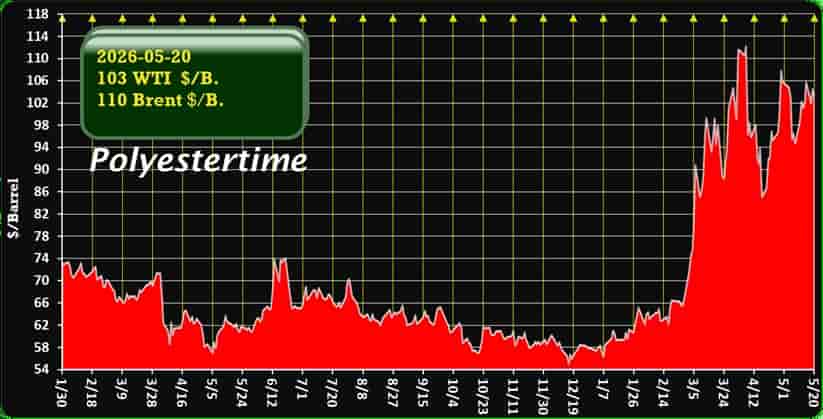
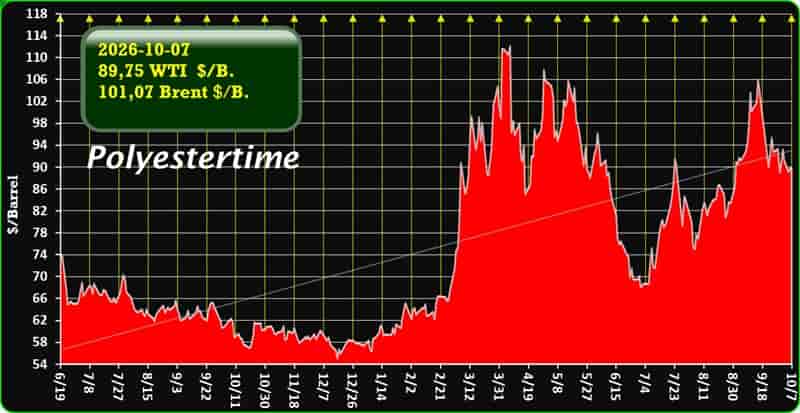
Global oil markets remain under intense pressure as geopolitical tensions between the United States and Iran continue to drive uncertainty across the energy sector. Brent crude is currently trading near $110 per barrel, while West Texas Intermediate (WTI) is hovering around $103 per barrel.
The latest rally reflects growing fears that prolonged instability in the Middle East could disrupt global energy supplies, especially through the Strait of Hormuz, one of the world’s most critical oil shipping routes. Recent reports from financial and commodities analysts indicate that traders continue to price in a significant geopolitical risk premium.
Why Oil Prices Are Rising
Several factors are contributing to the sharp rise in crude oil prices:
1. Concerns Over Supply Disruptions
The Strait of Hormuz handles a substantial portion of the world’s oil exports. Any threat to shipping activity in the region immediately impacts market sentiment.
Analysts warn that continued tensions between Washington and Tehran could further restrict tanker movements and reduce global supply availability.
2. Market Fear and Volatility
Oil markets react quickly to geopolitical uncertainty. Investors and traders are buying futures contracts as protection against possible supply shocks, pushing prices higher even before actual shortages occur.
Recent volatility has already pushed Brent crude above $110 several times during trading sessions this month.
3. Inflation and Global Economic Pressure
Higher oil prices increase transportation and manufacturing costs worldwide. This often leads to rising inflation, especially in countries heavily dependent on imported energy. Oil Prices and US-Iran War
Consumers may soon feel the impact through:
- Higher gasoline and diesel prices
- Increased shipping costs
- More expensive airline tickets
- Rising food and consumer goods prices
The Strait of Hormuz Remains the Key Risk
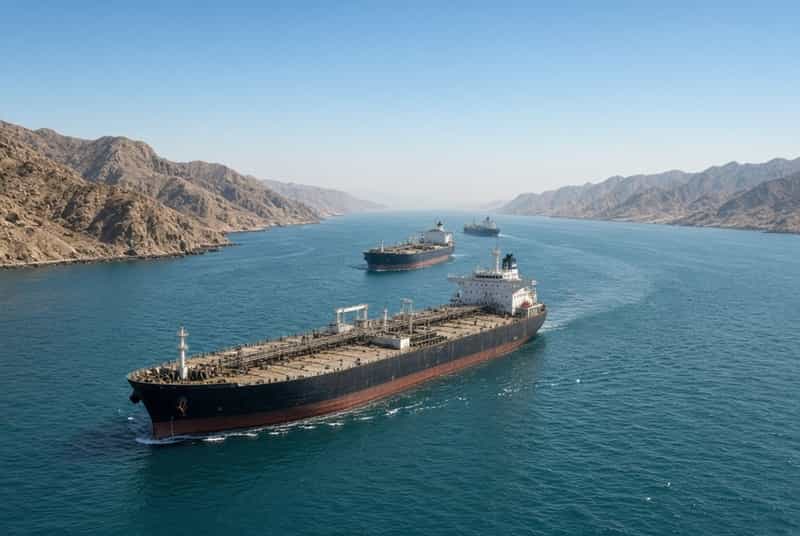
Energy markets are closely monitoring developments around the Strait of Hormuz. Nearly one-fifth of global oil trade passes through this narrow maritime corridor.
Reports from industry analysts suggest that shipping delays and security concerns continue to disrupt normal tanker traffic.
If the situation worsens, oil prices could climb even further in the coming weeks. Some analysts believe Brent crude could temporarily move toward $120 or higher if supply disruptions intensify.
Impact on the Global Economy
The current energy market environment is creating challenges for governments, businesses, and central banks.
Europe Faces Renewed Energy Pressure
European economies remain vulnerable to rising energy costs after recent years of inflation and supply chain disruptions. Higher crude prices could slow economic growth and complicate monetary policy decisions.
Emerging Markets Under Stress
Countries that rely heavily on imported oil may experience:
- Currency weakness
- Higher inflation
- Increased trade deficits
- Slower economic growth
Central Banks May Delay Rate Cuts
Persistent energy inflation could force central banks to maintain higher interest rates for longer periods. This may impact borrowing costs, investment activity, and consumer spending globally.
Could Oil Prices Continue Rising?
The direction of oil prices will largely depend on:
- Diplomatic developments between the US and Iran
- Stability in the Strait of Hormuz
- OPEC production decisions
- Global demand trends
- Strategic petroleum reserve releases
At the moment, markets remain highly sensitive to geopolitical headlines. Even minor developments can trigger rapid price swings across energy markets.
What Investors and Consumers Should Watch
In the short term, attention will remain focused on:
- Military developments in the Middle East
- Shipping activity in the Persian Gulf
- Statements from the White House and Iranian officials
- OPEC and International Energy Agency responses
For consumers, sustained oil prices above $100 could translate into higher everyday expenses over the coming months.
Final Thoughts
The current rise in Brent and WTI crude prices reflects more than short-term market speculation. Investors are pricing in the possibility of prolonged instability in one of the world’s most strategically important energy regions.
As long as uncertainty surrounding the US-Iran conflict continues, oil markets are likely to remain volatile. Businesses, governments, and consumers worldwide will be watching closely for signs of either diplomatic progress or further escalation.
Oil Prices Surge as US-Iran War Escalates: Brent Near $110 and WTI Above $103
More…