Gulf Leaders Furious Over US Policy Shift as War Reshapes Alliances 7
Gulf Leaders Furious Over US Policy Shift as War Reshapes Alliances 7
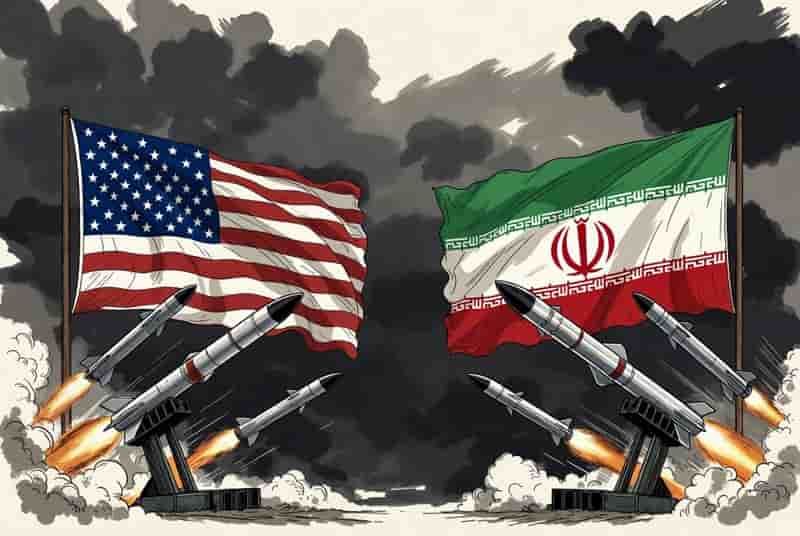
The Gulf leaders US policy shift is rapidly becoming one of the most consequential geopolitical developments in the Middle East. What once appeared to be a stable and mutually beneficial alliance between the United States and Gulf monarchies is now under intense strain, as the ongoing war involving Iran exposes deep fractures in trust, strategy, and long-term vision.
For years, countries such as Saudi Arabia, the United Arab Emirates, and Qatar have invested heavily in transforming their economies. Leveraging vast oil wealth, they built global hubs centered on luxury tourism, aviation, finance, sports, and emerging technologies. This model depended not only on capital but also on stability—something historically underwritten by the United States.
However, the Gulf leaders US policy shift has thrown this assumption into doubt.
From Strategic Alignment to Strategic Friction
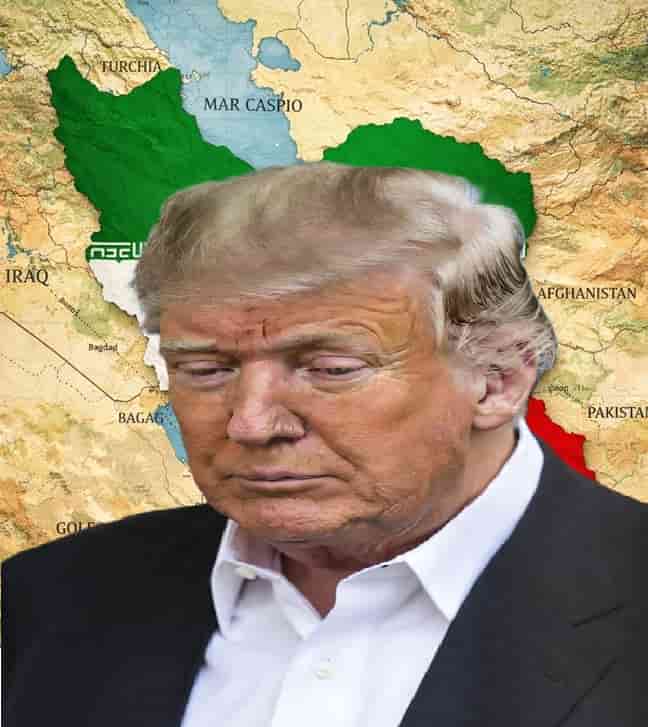
During Donald Trump’s presidency, relations between Washington and the Gulf appeared unusually close. Economic ties deepened, and political alignment seemed strong. Trump’s personal and business interests in the region further reinforced this perception, creating a sense that Gulf monarchies had found a uniquely receptive partner in the White House.
Yet the escalation of conflict with Iran has dramatically altered this dynamic. Gulf states now find themselves exposed to direct threats, including drone and missile attacks targeting critical infrastructure such as airports, oil facilities, and high-end tourism assets. These attacks strike at the core of their economic diversification strategies.
The Gulf leaders US policy shift is increasingly viewed not as a stabilizing force but as a destabilizing one.
Oman’s Rare Public Criticism
One of the most striking aspects of this shift is the unusually blunt criticism coming from within the region itself. Oman’s Foreign Minister, Badr Albusaidi, has openly challenged US decision-making, signaling a departure from the traditionally cautious diplomatic tone of Gulf states.
Albusaidi played a key role in facilitating indirect negotiations between the United States and Iran, efforts that many believed could reduce tensions. The sudden breakdown of these talks—followed by military escalation—has fueled frustration and skepticism.
According to this perspective, the Gulf leaders US policy shift reflects a broader failure in strategic judgment. The concern is not merely about the current conflict but about a perceived loss of coherence in US foreign policy, raising questions about reliability and long-term partnership.
Economic Ambitions Under Threat
The implications extend far beyond diplomacy. Gulf economies are deeply interconnected with global flows of capital, tourism, and technology. Mega-projects, international events, and digital infrastructure initiatives—such as ambitions to become global data center hubs—depend heavily on regional stability.
Now, these ambitions face significant uncertainty.
The Gulf leaders US policy shift is forcing policymakers in the region to reassess their economic models. If instability persists, sectors like aviation, hospitality, and tech investment could suffer lasting damage. Even plans to attract global data infrastructure may need to be reconsidered, as geopolitical risk becomes a decisive factor for investors.
In essence, what was once a vision of a “golden age” driven by diversification and innovation is now overshadowed by security concerns.
Security Guarantees in Question
Perhaps the most profound consequence of the Gulf leaders US policy shift lies in the realm of security. For decades, the relationship between the United States and Gulf monarchies has been built on a simple exchange: energy stability in return for military protection.
Today, that equation is being reevaluated.
US military bases across the region, once seen as a cornerstone of defense, are increasingly perceived as potential liabilities. Rather than deterring conflict, their presence may be drawing Gulf countries into confrontations they would prefer to avoid.
This has sparked internal debates about sovereignty and strategic autonomy. Should Gulf states continue to rely on external security guarantees, or should they develop more independent defense capabilities?
The Gulf leaders US policy shift is accelerating this debate, with no clear resolution in sight.
A Turning Point for Regional Alliances
The broader geopolitical landscape is also shifting. Gulf states are beginning to explore alternative partnerships and more diversified foreign policies. This includes strengthening ties with emerging global powers and pursuing regional diplomacy with greater independence.
The Gulf leaders US policy shift could therefore mark the beginning of a multipolar approach to alliances in the Middle East. Rather than relying predominantly on Washington, Gulf countries may seek a balance of relationships that better aligns with their evolving interests.
This transition will not happen overnight, but the current crisis has clearly acted as a catalyst.
Uncertain Future Amid Ongoing Conflict
As the war involving Iran continues, uncertainty remains the defining feature of the region. There is no clear timeline for de-escalation, and each new development adds complexity to an already volatile situation.
What is evident, however, is that the Gulf leaders US policy shift has already altered perceptions and priorities. Trust, once taken for granted, must now be rebuilt—or replaced.
For global observers, this moment represents more than a regional dispute. It is a critical juncture that could reshape energy markets, international security frameworks, and the balance of power in one of the world’s most strategically important regions.
Why This Shift Matters Globally
The consequences of the Gulf leaders US policy shift extend well beyond the Middle East. Energy supply chains, global investment flows, and international security dynamics are all influenced by the stability of Gulf nations.
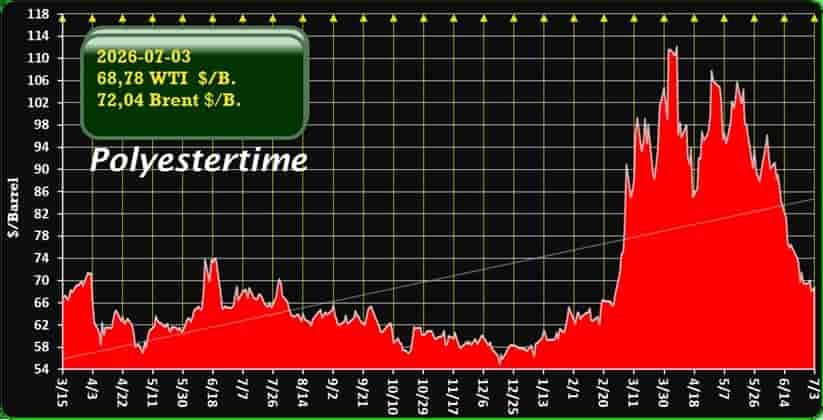
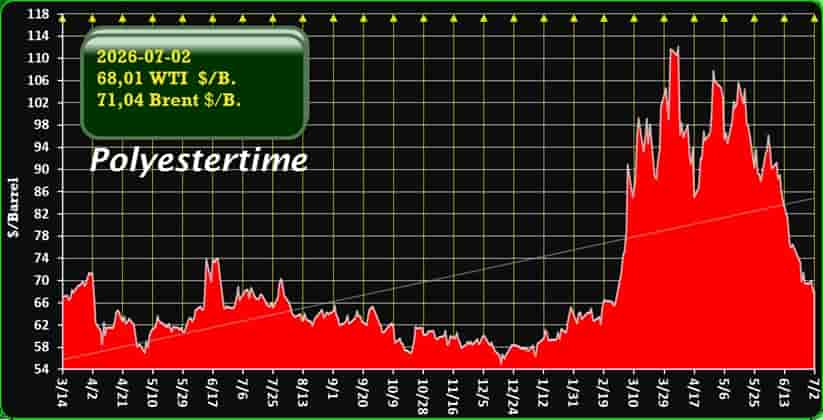
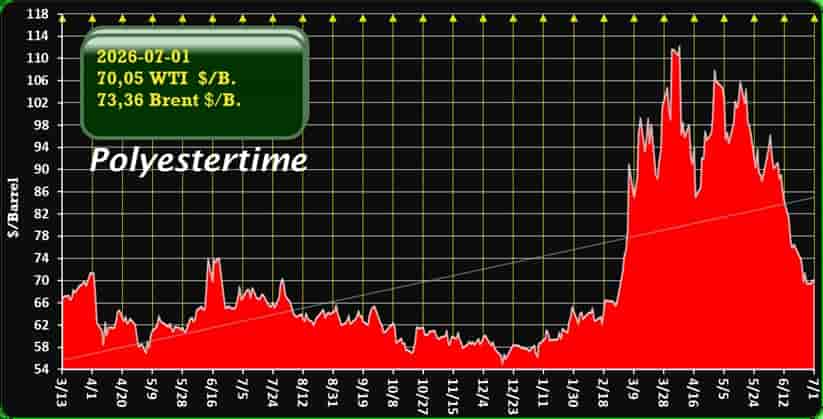
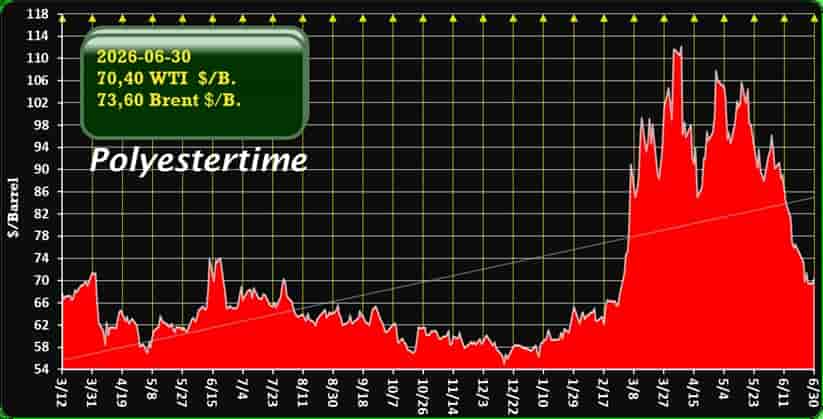
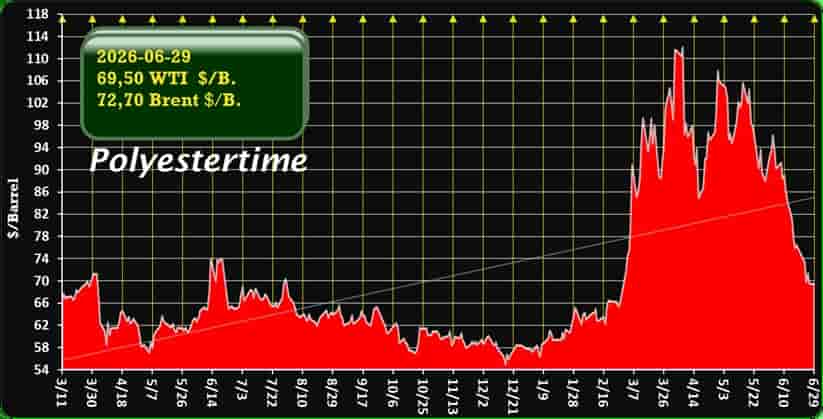
If alliances weaken and uncertainty persists, ripple effects could be felt worldwide—from oil prices to financial markets and beyond.
For policymakers, investors, and analysts, understanding this shift is essential. It signals not only a change in regional dynamics but also a broader transformation in how global power is negotiated and maintained.
Black Sea model offers 5 ways to ease dangerous Hormuz oil crisis
More…