Rising Trade Conflict Signals 2 Major Risks in China US Economic Relations
China US Trade Tensions Enter a New Phase
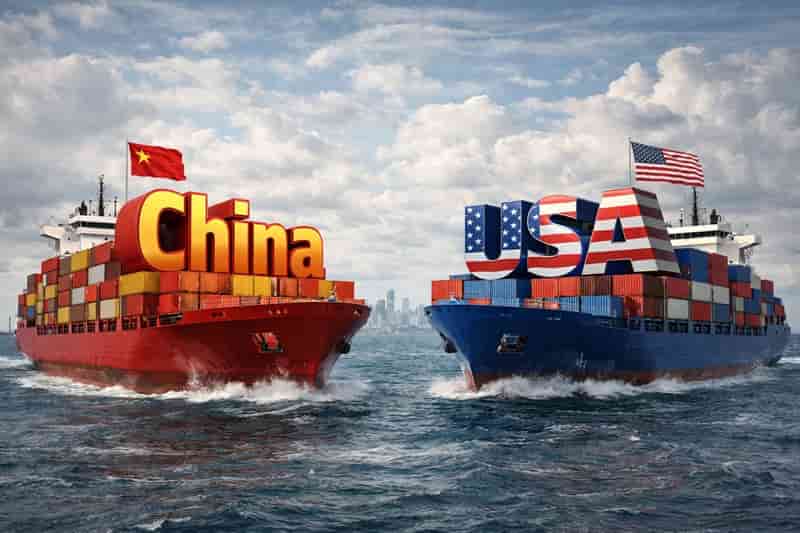
China US trade tensions have entered a more confrontational stage as Beijing launches two formal trade barrier investigations against the United States. The move follows recent Section 301 probes initiated by Washington and reflects a growing cycle of retaliatory economic measures between the world’s two largest economies.
These investigations signal not only bilateral friction but also broader implications for global markets, supply chains, and emerging sectors such as green technology. As China US trade tensions escalate, businesses and policymakers worldwide are closely monitoring the potential ripple effects.
Why China Responded to US Section 301 Investigations
The latest escalation in China US trade tensions stems directly from actions taken by the Office of the US Trade Representative in mid-March. Washington launched Section 301 investigations targeting multiple economies, including China, citing concerns over industrial overcapacity and alleged failures in preventing imports tied to forced labour.
Beijing has strongly opposed these claims, framing them as unilateral and disruptive to fair trade principles. Chinese authorities argue that such measures undermine international cooperation and distort global supply chains. In response, China’s Ministry of Commerce initiated its own investigations under domestic trade laws, reinforcing the reciprocal nature of China US trade tensions.
Focus on Supply Chains and Green Trade
A key dimension of the current China US trade tensions lies in the scope of the investigations. China’s probes are expected to focus on US policies that allegedly interfere with global industrial and supply chains. This includes restrictions and regulatory measures that could limit market access or create inefficiencies in cross-border production networks.
Equally significant is the emphasis on green trade. As both nations compete for leadership in clean energy and sustainable technologies, China US trade tensions are increasingly extending into this strategic sector. Beijing claims that certain US measures hinder the free flow of green products, potentially slowing global climate progress.
Legal Framework Behind China’s Investigations
China’s Ministry of Commerce has stated that the investigations are being conducted in accordance with the country’s Foreign Trade Law and related regulatory frameworks. This legal basis allows authorities to examine whether foreign measures constitute trade barriers and to recommend countermeasures if necessary.
This procedural approach highlights how China US trade tensions are becoming more institutionalized. Rather than isolated disputes, both countries are embedding their disagreements within formal legal and policy mechanisms, increasing the likelihood of prolonged conflict.
Diplomatic Engagement Amid Escalation
Despite rising China US trade tensions, diplomatic channels remain active. Commerce Minister Wang Wentao raised concerns directly with US Trade Representative Jamieson Greer during a meeting on the sidelines of the World Trade Organization Ministerial Conference in Yaoundé.
Such engagements indicate that while tensions are intensifying, both sides are still seeking avenues for dialogue. However, the effectiveness of these discussions remains uncertain, especially as economic competition becomes more deeply intertwined with geopolitical strategy.
Global Implications of China US Trade Tensions
The impact of China US trade tensions extends far beyond the two countries. Global supply chains, already strained by recent disruptions, could face further instability if trade barriers increase. Industries reliant on cross-border manufacturing, such as electronics, automotive, and renewable energy, are particularly vulnerable.
Moreover, uncertainty surrounding China US trade tensions may discourage investment and slow economic growth in key regions. Multinational companies could be forced to reassess sourcing strategies, potentially accelerating trends like supply chain diversification and regionalization.
Green Economy at the Center of the Dispute
One of the most critical aspects of current China US trade tensions is the competition over green technologies. Both nations are investing heavily in sectors such as electric vehicles, solar energy, and battery production.
Trade restrictions in these areas could have far-reaching consequences. On one hand, they may protect domestic industries; on the other, they risk fragmenting global efforts to transition toward a low-carbon economy. As China US trade tensions intensify, the balance between economic protectionism and environmental cooperation becomes increasingly delicate.
What Comes Next for China US Trade Relations
Looking ahead, China US trade tensions are unlikely to ease in the short term. The reciprocal nature of recent actions suggests a pattern of escalation rather than resolution. Future developments will likely depend on the outcomes of ongoing investigations and the willingness of both sides to engage in meaningful negotiations.
There is also the possibility of further measures, including tariffs, restrictions, or disputes within the WTO framework. Each step could deepen China US trade tensions and reshape global trade dynamics.
Strategic Takeaways for Businesses and Policymakers
For businesses, the current phase of China US trade tensions underscores the importance of resilience and adaptability. Companies should consider diversifying supply chains, monitoring regulatory changes, and preparing for potential disruptions.
Policymakers, meanwhile, face the challenge of balancing national interests with global economic stability. As China US trade tensions evolve, coordinated international responses may become increasingly necessary to prevent fragmentation of the global trading system.
Conclusion: A Defining Moment in Global Trade
The launch of twin investigations by China marks a significant escalation in China US trade tensions. What began as targeted policy actions has developed into a broader strategic rivalry with global implications.
As both nations continue to assert their economic priorities, the trajectory of China US trade tensions will play a defining role in shaping the future of international trade, supply chains, and technological competition.
More…