Strait of Hormuz Crisis Shows 5 Harsh Failures Weakening Western Power
Strait of Hormuz Crisis Reshapes Global Power Dynamics
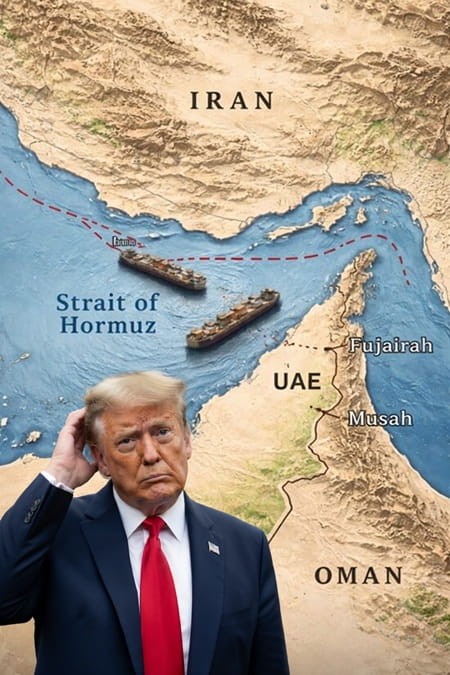
The Strait of Hormuz crisis has become a defining moment in modern geopolitics, exposing critical weaknesses in Western military strategy and energy security. What makes this situation particularly striking is not a large-scale naval confrontation, but rather the ability of Iran to disrupt one of the world’s most vital maritime chokepoints through indirect, low-cost means.
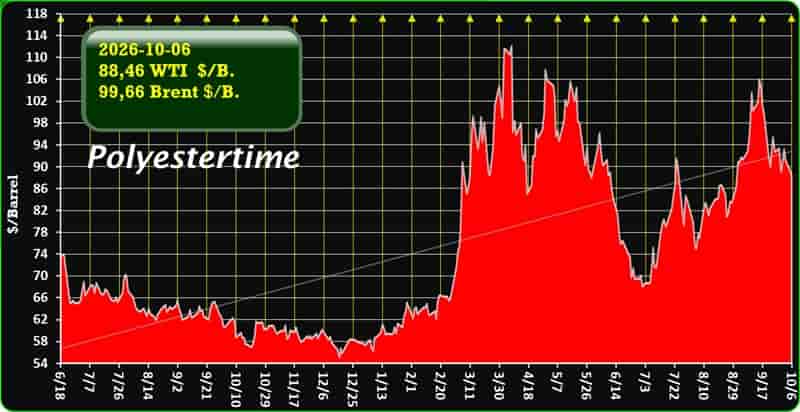
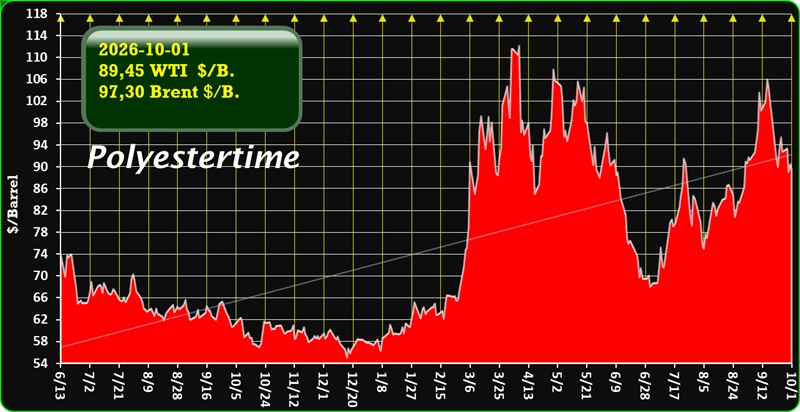
This narrow passage normally carries roughly 20% of global oil consumption and a significant share of liquefied natural gas trade. Yet during the peak of the Strait of Hormuz crisis, exports dropped dramatically, and shipping activity slowed to a near standstill. The disruption was not caused by total closure, but by fear, risk, and economic uncertainty—factors that proved just as powerful as direct military force.
Economic Warfare Without Full Blockade
A key lesson from the Strait of Hormuz crisis is that complete physical control is no longer necessary to dominate a strategic corridor. Iran demonstrated that making the passage unsafe and unpredictable is enough to deter commercial traffic.
Insurance premiums surged, shipping companies hesitated, and energy producers adjusted output. The result was a self-imposed slowdown in global trade. This approach reflects a broader shift in modern conflict: influencing economic calculations can be more effective than traditional military engagement.
The Strait of Hormuz crisis highlights how geoeconomic pressure can replace conventional warfare. Instead of destroying infrastructure, Iran effectively turned the strait into a high-risk zone, forcing global markets to react.
Iran’s Asymmetric Military Doctrine
Iran’s strategy during the Strait of Hormuz crisis is rooted in asymmetric warfare, designed specifically for constrained maritime environments. Rather than competing directly with Western naval power, Tehran relies on a combination of tools that maximize disruption while minimizing cost.
Naval Mines as Strategic Deterrence
Naval mines remain one of the most effective elements in Iran’s arsenal. In the context of the Strait of Hormuz crisis, even the suspicion of mines can halt shipping. Clearing operations are slow and resource-intensive, making every transit a calculated risk.
Coastal Missile Systems
Anti-ship missiles deployed along Iran’s coastline provide another layer of deterrence. In a narrow corridor like Hormuz, land-based systems can threaten vessels without requiring extensive naval deployment. This creates a persistent danger for tankers and escort fleets alike.
Swarm Tactics with Fast Craft
One of the most disruptive tactics in the Strait of Hormuz crisis involves swarms of small, fast boats. These units overwhelm defensive systems, forcing larger navies to spread resources thin. The goal is not necessarily destruction, but confusion and saturation.
Submarine and Underwater Operations
Iran’s use of mini-submarines adds another dimension to the Strait of Hormuz crisis. These platforms operate effectively in shallow waters, enabling ambushes and covert minelaying operations. Their presence forces adversaries to secure every segment of the route.
Integration of Drones and Surveillance
Drones play a critical role by enhancing targeting and reconnaissance. During the Strait of Hormuz crisis, they enabled real-time monitoring and coordination, increasing the effectiveness of missiles, mines, and swarm tactics.
Europe’s Strategic Weakness Exposed
The Strait of Hormuz crisis has underscored Europe’s limited capacity to project military power in high-risk maritime environments. Despite heavy dependence on energy imports passing through the region, European nations have shown reluctance to expand naval operations.
Existing missions remain geographically limited and have struggled to restore normal shipping conditions elsewhere. The hesitation reflects not only political caution but also structural limitations in defense capabilities.
In practical terms, the Strait of Hormuz crisis demonstrates that Europe lacks the integrated military strength required to secure critical trade routes under asymmetric threat conditions.
United States Miscalculation
The United States enters the Strait of Hormuz crisis with significant military assets but a strategic misjudgment. American intelligence has long been aware of Iran’s capabilities, including mines, missile systems, and unconventional naval tactics.
However, the miscalculation lies in underestimating Iran’s willingness to leverage these tools at scale. The assumption that Tehran would avoid triggering major global disruption proved incorrect.
The Strait of Hormuz crisis reveals that superior military technology does not automatically translate into effective deterrence. Strategic foresight and understanding of adversary intent are equally crucial.
The Power of Asymmetry in Modern Conflict
Perhaps the most important takeaway from the Strait of Hormuz crisis is the effectiveness of asymmetric strategies in a multipolar world. Iran, with comparatively limited resources, managed to influence global energy markets and disrupt trade flows on a massive scale.
This outcome challenges traditional assumptions about military dominance. Large fleets and advanced systems are less decisive when faced with tactics designed to exploit vulnerabilities rather than confront strength directly.
The Strait of Hormuz crisis illustrates a shift toward hybrid conflict, where economic pressure, psychological impact, and targeted disruption play central roles.
Implications for Global Energy Security
The long-term implications of the Strait of Hormuz crisis are significant. Energy markets are highly sensitive to disruptions in key transit routes, and alternative pathways cannot easily compensate for prolonged instability.
This vulnerability raises questions about diversification, resilience, and the future of global supply chains. Countries heavily reliant on Gulf energy exports must now consider the risks associated with chokepoint dependency.
The Strait of Hormuz crisis may accelerate investment in alternative routes, renewable energy, and strategic reserves, reshaping the global energy landscape.
A New Maritime Reality
The Strait of Hormuz crisis marks a turning point in how maritime security is understood. Control is no longer defined solely by physical presence but by the ability to manipulate risk and perception.
Iran’s approach demonstrates that even limited capabilities can yield disproportionate strategic outcomes when applied effectively. For Western powers, the lesson is clear: adapting to this new reality requires not only military strength but also strategic flexibility and economic resilience.
In the evolving global order, the Strait of Hormuz crisis stands as a powerful example of how modern conflicts are fought—and won—without traditional battles.
Strait of Hormuz Agreement Sparks Urgent Global Energy Stability Concerns 6 Nations Respond
More…