Oil Price Surge Signals Market Stress as Brent Holds Above $110 and WTI Climbs Higher on Geopolitical Tensions and Supply Fears
Oil Price Trend April 7, 2026: Market Tightness and Geopolitics Drive Strong Upside
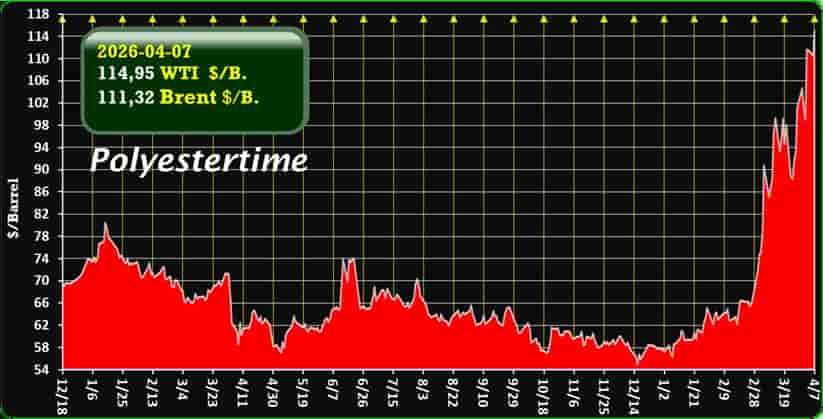
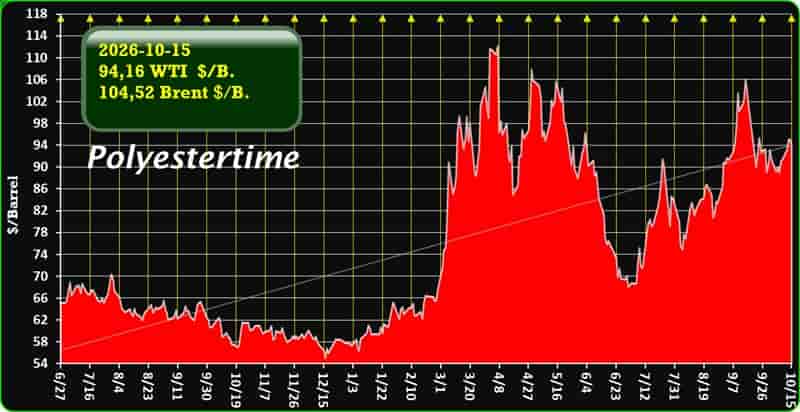
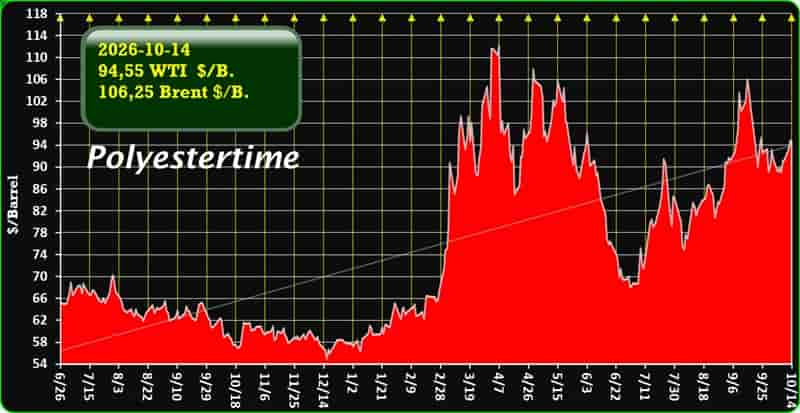
The oil price remains firmly elevated on April 7, 2026, reflecting a market under stress from geopolitical tensions, constrained supply, and robust short-term demand. Brent crude is trading in the $105–$115 per barrel range, while U.S. West Texas Intermediate (WTI) has climbed even higher, hovering between $110 and $120 per barrel.
Recent trading sessions confirm a strong upward bias. Brent crude reached around $111 per barrel, while WTI surged above $115, driven primarily by escalating geopolitical risks and supply disruptions.
Current Oil Price Snapshot
| Benchmark | Price Range (April 2026) | Latest Movement |
|---|---|---|
| Brent Crude | $105 – $115 | ~ $110–$111, volatile |
| WTI Crude | $110 – $120 | ~ $113–$116, outperforming |
The unusual premium of WTI over Brent reflects immediate supply tightness and strong demand for prompt delivery, a classic sign of market stress and backwardation.
Key Drivers Behind the Oil Price Rally
1. Geopolitical Escalation in the Middle East
The dominant factor shaping the oil price today is escalating geopolitical tension, particularly involving Iran and the Strait of Hormuz.
- U.S. threats of military action against Iran have intensified market fears
- The Strait of Hormuz, a critical oil transit chokepoint, faces disruption risks
- Drone strikes on regional infrastructure have heightened supply concerns
These developments have triggered immediate price spikes, with WTI rising nearly 3% in a single session and Brent following closely.
Any disruption to Hormuz could affect up to 20% of global oil flows, making it the single most critical variable in the current oil price outlook.
2. Global Supply Constraints and Market Tightness
Supply fundamentals are reinforcing the bullish trend:
- Sanctions on Russia continue to reshape global flows
- Middle Eastern exports face logistical and security challenges
- Strategic reserves releases provide only temporary relief
There are growing concerns that millions of barrels per day could be removed from the market, creating a structural supply deficit.
This tightness explains the steep backwardation observed in futures markets, where near-term contracts trade at a premium due to urgent demand.
3. Demand Resilience and Short-Term Buying Pressure
Despite high prices, demand remains surprisingly resilient:
- Europe is competing aggressively for U.S. crude
- Asian refiners are seeking alternatives to Middle Eastern supply
- Immediate physical demand is pushing front-month prices higher
This dynamic has led to a rare situation where WTI appears more expensive than Brent, reflecting intense short-term demand rather than a structural shift.
4. OPEC+ Strategy and Market Influence
While OPEC+ has not made drastic new moves in recent days, its role remains critical:
- Saudi Arabia has maintained firm pricing strategies
- The group continues to manage output cautiously
- Spare capacity is limited, amplifying price sensitivity
In a tight market, even small supply adjustments—or the lack of them—can significantly influence the oil price trajectory.
5. Economic Data and Inflation Concerns
Macroeconomic signals are adding another layer of complexity:
- Rising oil prices are pushing fuel costs higher globally
- Inflation concerns are increasing, particularly in the U.S. and Europe
- Central banks remain cautious, balancing inflation risks with growth concerns
Gasoline prices in the U.S. have already surpassed $4 per gallon, signaling the transmission of oil price increases into the real economy.
Investor Sentiment: Bullish but Volatile
Investor sentiment in the oil market is currently:
- Bullish in the short term due to supply risks
- Highly reactive to geopolitical headlines
- Volatile, with sharp intraday swings
Markets are pricing in a significant geopolitical risk premium, meaning that prices could fall quickly if tensions ease—or spike further if escalation occurs.
Short-Term Outlook: Where Is the Oil Price Heading?
Looking ahead, the oil price is expected to remain elevated and volatile:
Bullish Scenario
- Escalation in Iran conflict
- Continued disruption in Hormuz
- Limited OPEC+ intervention
➡ Brent could move toward $120+, with WTI potentially exceeding that level
Bearish Scenario
- Diplomatic breakthrough or ceasefire
- Strategic reserve releases
- Demand slowdown due to economic pressure
➡ Prices could retreat toward $95–$100 range
Implications for the Global Economy and Energy Markets
Sustained high oil prices carry significant consequences:
- Increased inflationary pressure worldwide
- Higher transportation and production costs
- Strain on energy-importing economies
- Accelerated investment in alternative energy
For energy markets, this environment reinforces volatility as the defining feature of 2026.
Final Takeaway
The oil price trend as of April 7, 2026, reflects a market driven less by fundamentals alone and more by geopolitical risk and supply insecurity. While demand remains strong, it is the fear of disruption—especially in the Middle East—that is setting the tone.
In the short term, volatility will dominate. For businesses, policymakers, and investors, the key variable to watch remains clear: geopolitics.
Oil price surge above $110 signals deep market stress as war risks and supply shocks overpower OPEC+ efforts to stabilize crude markets
More…