Waste Wood Bioplastics Breakthrough Brings 99% Efficiency Gains
Waste Wood Becomes a Valuable Resource for Bioplastics
The rise of waste wood bioplastics is reshaping how industries think about sustainability. Instead of treating discarded wood and forest by-products as low-value waste, researchers have found a way to transform them into essential raw materials for next-generation plastics. This shift not only reduces environmental impact but also creates new economic opportunities tied to renewable resources.
At the center of this innovation is a breakthrough developed by the National Academy of Forestry Sciences in collaboration with Kangwon National University. Their work focuses on converting waste wood into high-performance chemical compounds used in eco-friendly plastics.
A New Process with Exceptional Efficiency
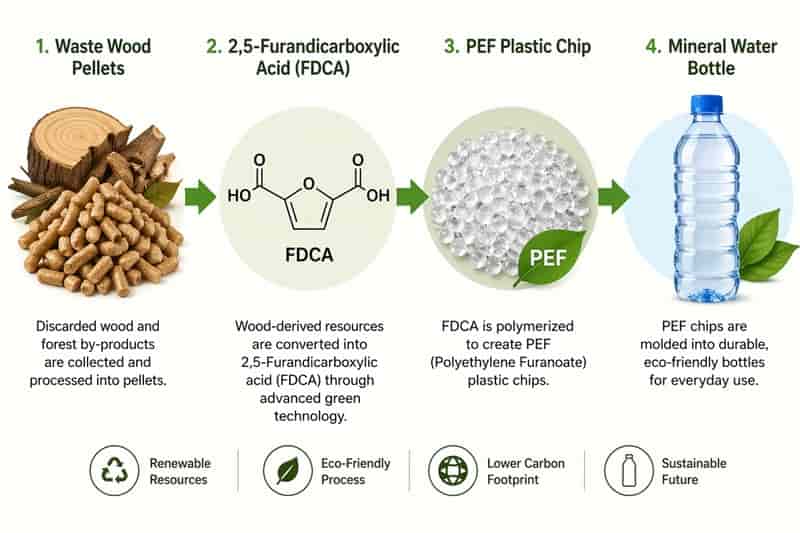
The core of this advancement lies in turning waste wood into HMF, a compound derived under high-temperature and high-pressure water conditions. From there, the process converts HMF into FDCA, a crucial building block for modern bioplastics.
What makes this development stand out in the field of waste wood bioplastics is the introduction of a photoelectrochemical catalyst. This catalyst uses both light and electricity, allowing the reaction to occur at room temperature and low voltage. Compared to traditional methods, which demand extreme conditions, this approach significantly lowers energy consumption.
The results are striking. The production yield of FDCA has reached up to 99.21%, demonstrating that waste wood bioplastics can achieve both sustainability and industrial efficiency at scale.
Why FDCA Matters for the Future
FDCA is a key ingredient in producing PEF, a bioplastic designed to replace conventional petroleum-based plastics like PET. With the growing demand for sustainable materials, waste wood bioplastics based on FDCA are gaining attention across multiple industries.
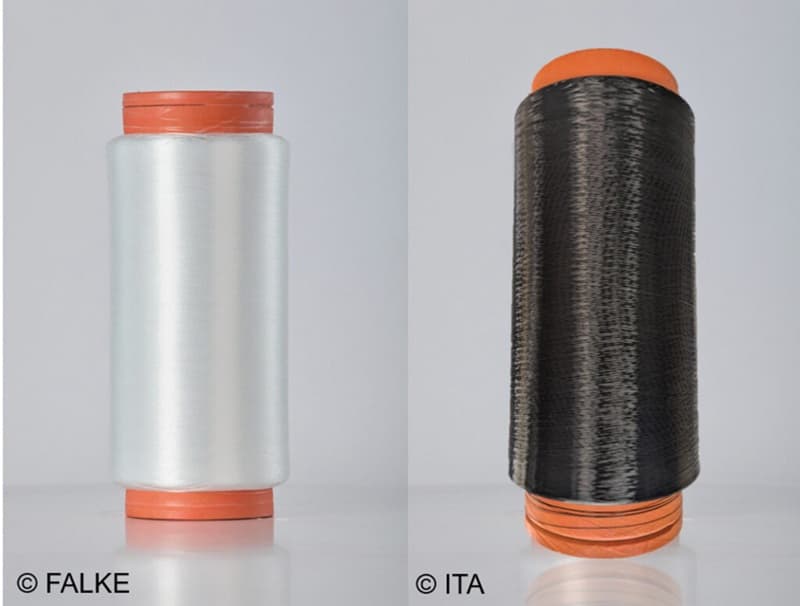
PEF offers several advantages. It is not only derived from renewable resources but also provides strong barrier properties, making it ideal for packaging applications. Beyond containers, FDCA plays a role in manufacturing automotive components, textiles, coatings, and adhesives.
This versatility highlights how waste wood bioplastics can move beyond niche applications and become a mainstream material solution.
Reducing Dependence on Fossil Resources
One of the most important benefits of waste wood bioplastics is their potential to reduce reliance on petroleum. By replacing fossil-based raw materials with compounds derived from wood, industries can significantly lower their environmental footprint.
This transition also supports energy conservation. The new catalytic process consumes less energy due to its mild operating conditions, making it more sustainable from both environmental and economic perspectives.
As global markets push for greener production methods, waste wood bioplastics are positioned as a viable alternative that balances performance and sustainability.
Carbon Storage and Climate Impact
Waste wood bioplastics contribute to climate goals in another critical way: carbon storage. Trees naturally absorb carbon dioxide as they grow. When wood is transformed into long-lasting products like bioplastics, that carbon remains stored within the material instead of being released back into the atmosphere.
This characteristic makes waste wood bioplastics a powerful tool in reducing greenhouse gas emissions. By extending the lifecycle of captured carbon, these materials help mitigate climate change while supporting circular economy principles.
Strengthening Domestic Resource Independence
Another advantage of waste wood bioplastics lies in resource security. Many countries rely heavily on imported raw materials for plastic production. By utilizing domestic forest resources, this technology reduces dependence on foreign supply chains.
This shift not only improves economic resilience but also promotes sustainable forest management. Waste materials that would otherwise be discarded can now be repurposed into high-value products, creating a more efficient and responsible use of natural resources.
A Step Forward for Green Innovation
The development of waste wood bioplastics marks a significant step forward in green technology. By combining advanced chemistry with renewable resources, researchers have created a solution that addresses multiple challenges at once—waste reduction, energy efficiency, and climate impact.
The use of photoelectrochemical catalysts represents a broader trend in innovation, where cleaner and more efficient processes are replacing traditional industrial methods. As this technology continues to evolve, it could pave the way for even more sustainable materials in the future.
The Road Ahead
While the progress in waste wood bioplastics is impressive, continued research and commercialization efforts will be essential. Scaling production, optimizing costs, and integrating these materials into existing supply chains are key next steps.
However, the foundation has already been established. With high efficiency, strong performance, and clear environmental benefits, waste wood bioplastics are well-positioned to become a cornerstone of sustainable manufacturing.
Conclusion
Waste wood bioplastics demonstrate how innovation can turn environmental challenges into opportunities. By transforming discarded wood into valuable raw materials, this technology offers a practical path toward reducing fossil fuel dependence and achieving carbon neutrality.
As industries and governments seek sustainable solutions, waste wood bioplastics stand out as a promising and scalable alternative that aligns economic growth with environmental responsibility.
More….