Polykemi Boosts PCR Recycling Capacity
Strong Growth 7500 Tonnes Boost PCR Recycling Capacity Across Europe Market
The demand for recycled plastics continues to rise across global markets, pushing companies to scale operations and improve material quality. Polykemi and Rondo Plast have responded with a significant investment strategy aimed at expanding PCR recycling capacity and strengthening their position in high-performance recycled compounds.
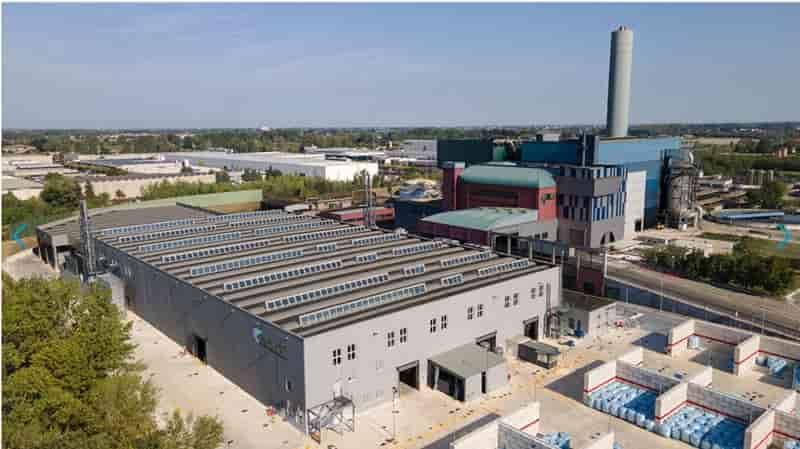
Over the past two years, the companies have jointly invested nearly SEK 25 million to increase their PCR recycling capacity by approximately 7,500 tonnes annually. These volumes are considered rare not only in Sweden but across Europe, highlighting the strategic importance of this expansion in a competitive and resource-constrained market.
Expanding PCR Recycling Capacity at Scale
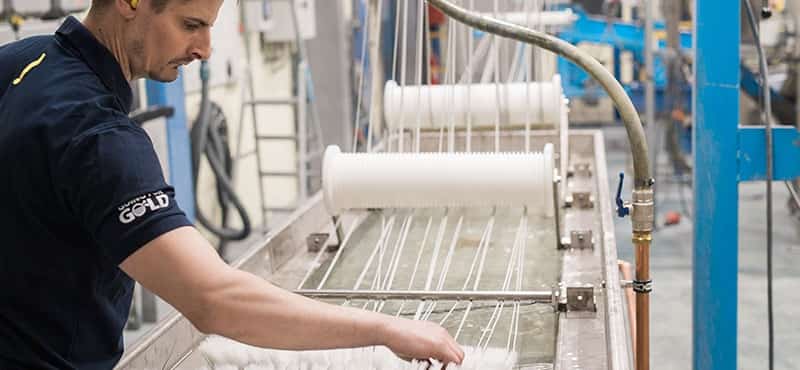
The increase in PCR recycling capacity is driven by both new equipment and improved process control. In 2024, the companies installed a recycling machine from Erema with an annual capacity of 5,000 tonnes. This was followed in March 2026 by the addition of a ReadyMac unit, contributing an extra 2,500 tonnes per year.
This combined upgrade significantly enhances their ability to process post-consumer recycled materials internally. By managing more stages of the recycling process, the companies gain tighter control over material consistency and quality.
The expansion of PCR recycling capacity also allows earlier intervention in the recycling chain. This means materials can be treated, stabilized, and optimized before reaching later production stages, ensuring better performance in final applications.
Improving Material Quality and Supply Stability
A key advantage of increasing PCR recycling capacity is the ability to stabilize feedstock supply. By processing materials in-house, Polykemi and Rondo Plast reduce reliance on pre-processed recyclates, which are often limited in availability and inconsistent in quality.
The companies are now sourcing materials from a broader range of streams. These include marine ropes, fishing nets, bottles, non-woven materials, and fiber-based plastics. Accessing these new streams would not be feasible without the expanded PCR recycling capacity.
This diversification strengthens supply chains and ensures more predictable availability of high-quality recycled materials. For customers, this translates into greater reliability and consistency in production processes.
Advancing Engineering Plastics with PCR
Traditionally, PCR materials have been concentrated in common polymers such as polypropylene and polyethylene. However, the upgraded PCR recycling capacity now enables processing of more advanced materials, including polycarbonate, ABS, polystyrene, and polyamide.
This development marks a significant shift in the recycling landscape. Engineering plastics require higher purity levels, and contamination has historically limited their use in recycled applications.
With the introduction of advanced filtration technologies, including laser filters capable of removing contaminants down to 100 microns, the companies can now produce cleaner, higher-grade recycled compounds. This improvement expands their product portfolio and opens new opportunities in demanding industrial applications.
Strengthening Competitive Position in Europe
The scale and quality achieved through this expanded PCR recycling capacity position Polykemi and Rondo Plast among a limited number of European players capable of delivering both high volumes and high-performance recycled materials.
By integrating more stages of the recycling process, the companies reduce the need for intermediate transport and handling. This not only improves efficiency but also lowers environmental impact, aligning with broader sustainability goals.
The increased PCR recycling capacity also enables faster adaptation to market demands. As industries such as automotive, electronics, and packaging shift toward circular materials, the ability to supply consistent, high-quality recycled polymers becomes a critical competitive advantage.
Preparing for Future Regulations
Regulatory pressure is another major driver behind investments in PCR recycling capacity. Governments across Europe are introducing stricter requirements for recycled content and sustainability reporting.
By expanding their capabilities now, Polykemi and Rondo Plast are positioning themselves ahead of these regulatory changes. This proactive approach ensures that both their operations and their customers remain compliant with evolving standards.
Greater control over the recycling process also allows for improved traceability and documentation, which are increasingly important in regulatory frameworks and sustainability certifications.
A Strategic Move Toward Circular Plastics
The expansion of PCR recycling capacity reflects a broader shift toward circular economy principles in the plastics industry. Instead of relying solely on virgin materials, companies are investing in technologies that enable reuse, recovery, and high-quality recycling.
For Polykemi and Rondo Plast, this investment is not just about increasing volume. It is about enhancing the entire value chain, from raw material sourcing to final product performance.
The ability to process diverse waste streams, improve material quality, and ensure stable supply positions them as key contributors to a more sustainable plastics ecosystem.
Conclusion
The significant increase in PCR recycling capacity achieved by Polykemi and Rondo Plast represents a major خطوة forward for the European recycling industry. By combining advanced technology, diversified sourcing, and strategic investment, the companies are setting new standards in recycled plastics production.
As demand continues to grow and regulations tighten, the importance of scalable, high-quality PCR recycling capacity will only increase. This expansion not only strengthens the companies’ market position but also supports the broader transition toward a circular and sustainable future for plastics.
Plastic Recycling Boom Drives 7 Positive Industry Shifts
More…