Oil, War, and Power: How the Strait of Hormuz Crisis Is Reshaping the Global Order
Energy shocks, maritime chokepoints, and great-power rivalry in an increasingly unstable world
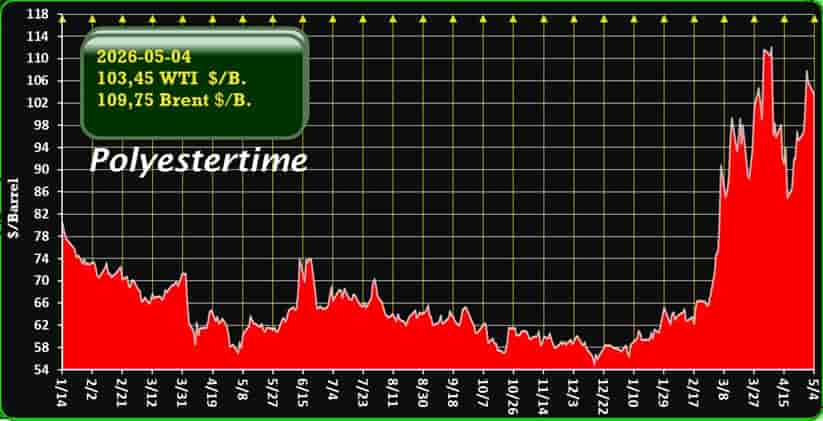
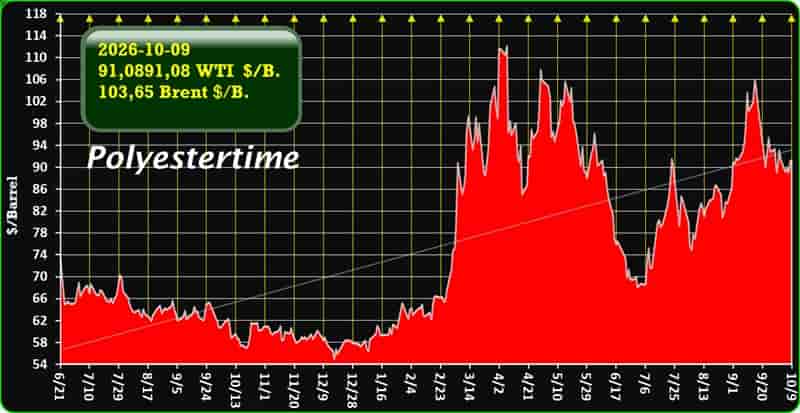
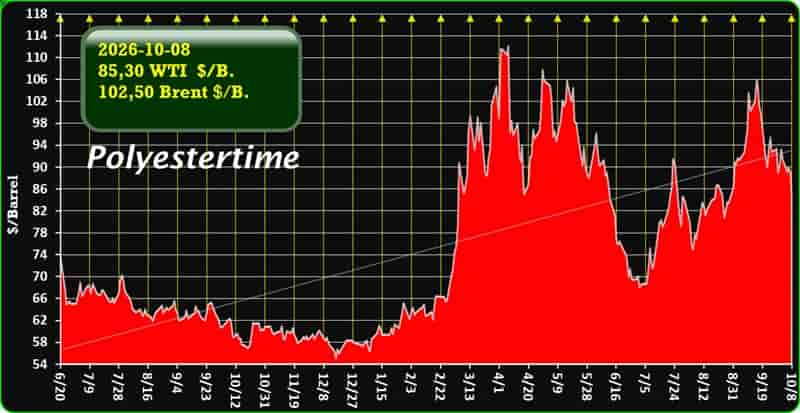
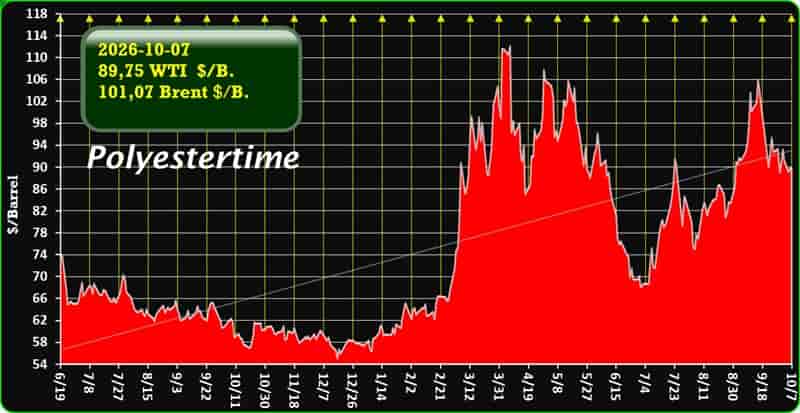
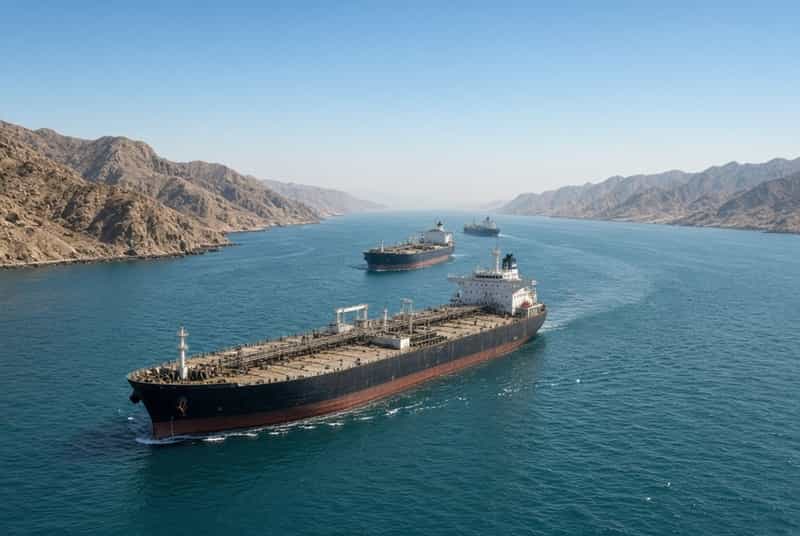
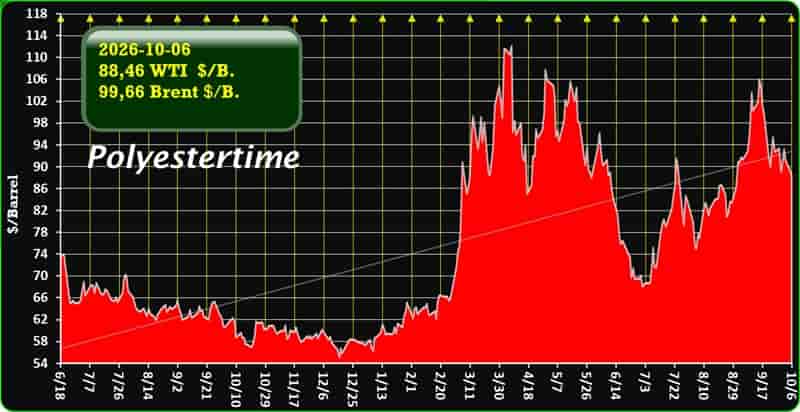
The Strait of Hormuz has once again become the աշխարհ’s most dangerous chokepoint. Narrow, heavily militarized, and responsible for the transit of roughly one-fifth of global oil supply, this slender maritime corridor now sits at the center of a rapidly escalating geopolitical crisis. The ongoing conflict involving the United States, Israel, and Iran has transformed the strait from a strategic vulnerability into a focal point of global economic anxiety. With oil prices surging past $100 per barrel and shipping lanes increasingly threatened, the implications extend far beyond the Middle East. What is unfolding is not merely a regional conflict, but a systemic shock that is testing the resilience of the global order.
At the heart of the crisis lies the weaponization of energy flows. Oil markets, already sensitive to supply disruptions, have reacted sharply to the effective partial closure of the Strait of Hormuz. Even intermittent attacks on commercial vessels and the looming threat of escalation have been enough to drive volatility. Energy traders are not only pricing in current disruptions but also the risk of prolonged instability. The result has been a sustained spike in crude prices, feeding inflationary pressures across major economies and amplifying vulnerabilities in energy-importing nations.
For developing countries in particular, the consequences are severe. Higher fuel costs translate directly into rising food prices, strained public finances, and heightened social unrest. Meanwhile, advanced economies face a different but equally serious challenge: the reemergence of energy-driven inflation at a time when many central banks had only recently begun to stabilize post-pandemic economies. In this sense, the Hormuz crisis is not just a supply shock—it is a multiplier of existing global fragilities.
The military dimension of the crisis is equally complex.
The current phase of conflict can be traced back to early 2026, when coordinated strikes involving U.S. and Israeli forces targeted Iranian infrastructure, triggering a sharp escalation. Iran responded not with a conventional naval blockade, but with asymmetric tactics designed to maximize disruption at minimal cost. Fast attack boats, naval mines, drones, and missile threats have created an environment in which commercial shipping is technically possible but practically perilous.
This ambiguity is central to Iran’s strategy. By stopping short of a full blockade, Tehran maintains plausible deniability while still exerting enormous pressure on global markets. Each disrupted vessel, each reported attack, sends ripples through insurance markets and shipping logistics, effectively reducing traffic through the strait without the need for a formal closure. It is a strategy of calibrated chaos—one that leverages geography as much as military capability.
The United States, for its part, has responded with a mix of deterrence and reassurance. Naval deployments have increased, and efforts are underway to organize escorted shipping corridors aimed at restoring confidence among commercial operators. Yet the challenges are formidable. Clearing mines, securing vast stretches of water, and deterring small, fast-moving threats require time, coordination, and sustained political will. Even if a full-scale military operation were launched to “liberate” the strait, the process of restoring normal shipping conditions could take months.
This raises a critical question: what does “liberation” actually mean in this context? A purely military solution risks further escalation, potentially drawing in additional regional actors and deepening the conflict. A negotiated reopening, on the other hand, would likely involve concessions—sanctions relief, security guarantees, or broader diplomatic agreements—that may be politically difficult for all sides. The most probable outcome, at least in the short term, is neither full closure nor full openness, but a prolonged state of contested access in which risk remains structurally embedded in global energy flows.
Beyond the immediate actors, the crisis has also illuminated the strategic positioning of other major powers.
Russia, while not directly involved in the conflict, has emerged as a clear—if cautious—beneficiary. Higher oil prices have bolstered its export revenues, providing a financial windfall at a time when its economy continues to navigate sanctions and geopolitical isolation. At the same time, Moscow has avoided overt military engagement, instead offering limited support to Iran while maintaining strategic ambiguity.
This approach reflects a broader pattern in Russian foreign policy: leveraging instability to enhance its own position without becoming entangled in costly conflicts. By allowing tensions to persist without tipping into full-scale war, Russia maximizes its economic gains while minimizing its risks. However, this balancing act is inherently fragile. A significant escalation could force Moscow to make more explicit choices, potentially undermining its current advantages.
China’s position is markedly different. As the world’s largest energy importer, Beijing has a profound interest in the stability of Gulf shipping routes. Disruptions in the Strait of Hormuz directly threaten its economic security, making de-escalation a top priority. Unlike Russia, China has little to gain from prolonged volatility in energy markets. Instead, it has positioned itself as a potential mediator, calling for restraint and the reopening of critical trade routes.
Yet China’s influence is constrained by its competing relationships. Its strategic partnership with Iran provides it with leverage, but also limits its ability to align too closely with Western efforts. At the same time, its deep economic ties with the United States and Europe incentivize a more balanced approach. The result is a delicate diplomatic posture—one that seeks to preserve stability without alienating key partners.
Taken together, the responses of Russia and China underscore a broader transformation in the global system. The Hormuz crisis is not occurring in a unipolar world, but in an increasingly multipolar one, where major powers pursue overlapping and sometimes conflicting interests. The coherence of Western alliances is being tested, while alternative centers of influence are asserting themselves more confidently.
This fragmentation has important implications. It reduces the likelihood of coordinated global responses and increases the potential for regional conflicts to generate systemic effects. It also highlights the growing importance of economic chokepoints—whether maritime routes, supply chains, or critical resources—as instruments of geopolitical competition. Control over these nodes confers not only economic advantages, but also strategic leverage.
Looking ahead, the trajectory of the crisis remains uncertain. A successful reopening of the Strait of Hormuz—whether through force or diplomacy—would likely stabilize oil markets in the short term, but would not eliminate the underlying vulnerabilities. The structural dependence on a narrow set of transit routes will continue to pose risks, particularly in an era of heightened geopolitical tension.
At the same time, prolonged disruption could accelerate longer-term shifts. High energy prices may incentivize investment in alternative energy sources, diversification of supply chains, and the development of new transit corridors. In this sense, the crisis could act as a catalyst for transformation, even as it imposes immediate costs.
Ultimately, the struggle over the Strait of Hormuz is about more than oil. It is about power, influence, and the rules that govern the international system. As the United States, Iran, and their respective partners navigate this volatile landscape, the outcomes will shape not only the future of energy markets, but also the contours of global order in the years to come.
More…
Oil Price Surges as Middle East Tensions Push Brent Toward $115