Oil Prices Surge as US-Iran War Fuels Market Volatility: Brent Near $96 and WTI at $93
Oil Prices and US-Iran War – Oil Prices Remain Volatile as US-Iran Tensions Shake Global Markets
Brent Near $96 and WTI Around $93 as Markets React to Geopolitical Risks
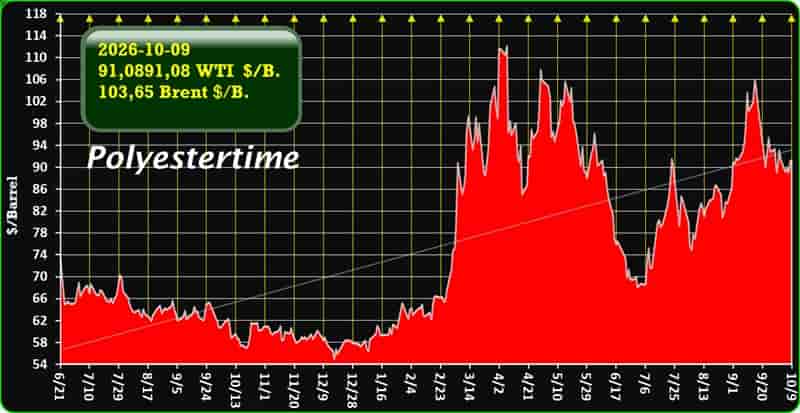
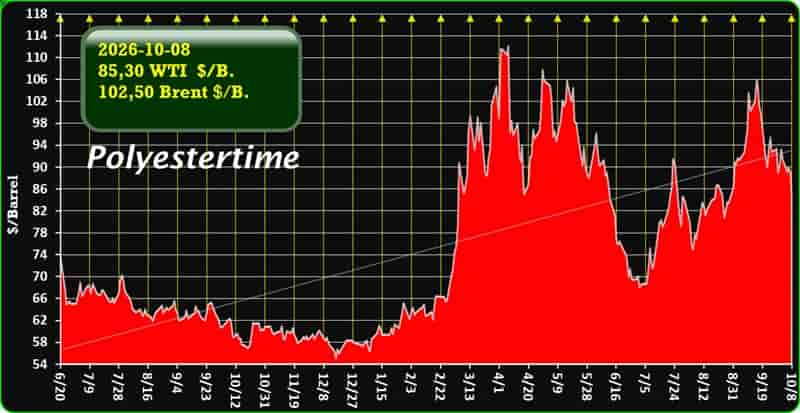
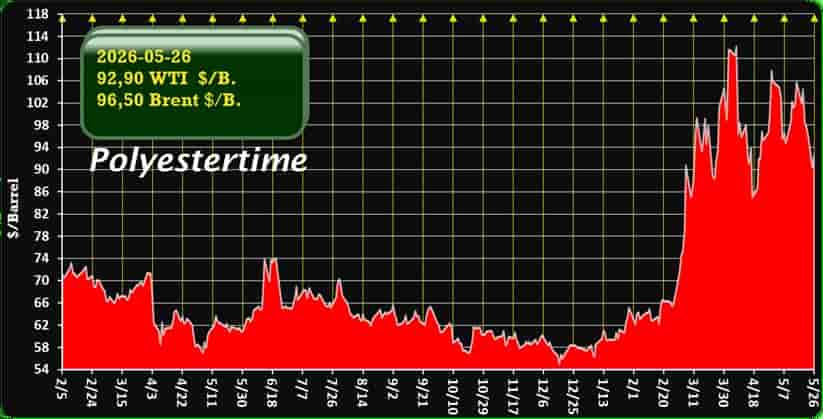
Global oil markets remain under intense pressure as the conflict involving the United States and Iran continues to create uncertainty across energy supply chains. Brent crude is currently trading close to $96 per barrel, while West Texas Intermediate (WTI) is hovering near $93 per barrel.
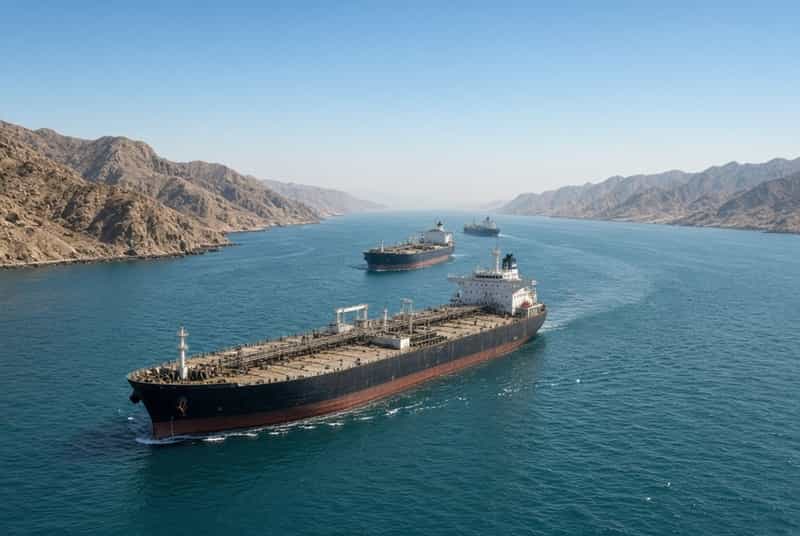
The latest market movements show how sensitive crude oil prices remain to developments in the Middle East, especially around the Strait of Hormuz, one of the world’s most important energy corridors. Roughly one-fifth of global oil shipments normally pass through this strategic route, making any disruption a major concern for traders, governments, and businesses worldwide.
Why Oil Prices Are Moving So Fast
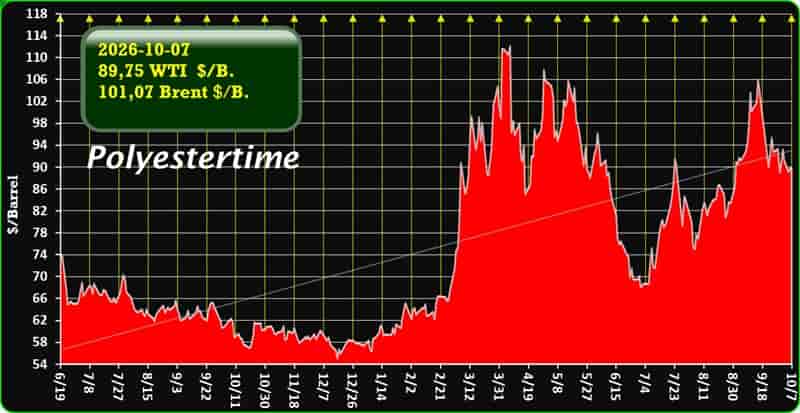
Oil prices have experienced extreme volatility over recent weeks. Earlier in May, Brent crude briefly traded above $110 per barrel before retreating after reports of possible diplomatic progress between Washington and Tehran. Despite the recent pullback, prices remain significantly higher than pre-conflict levels.
Several factors are currently driving the market:
- Concerns over possible disruptions to oil shipments through the Strait of Hormuz
- Ongoing military tensions involving the US, Iran, and regional allies
- Uncertainty surrounding peace negotiations
- Rising shipping insurance costs in the Gulf region
- Fears of tighter global oil supply
Recent reports from Reuters and other verified financial sources indicate that traders are cautiously optimistic about diplomatic talks, but no final agreement has been reached. Analysts warn that any escalation could rapidly push Brent back above $100 per barrel.
The Strait of Hormuz Remains the Key Risk
The Strait of Hormuz has become the central focus of global energy markets. Iran’s ability to influence maritime traffic through the corridor gives the country significant leverage during periods of conflict.
Even partial restrictions in the area can have immediate consequences for global oil prices because energy traders price in what is known as a “geopolitical risk premium.” This premium reflects the possibility of sudden supply interruptions.
Although some shipping activity has resumed in recent days, analysts say that full normalization could take months even if a political agreement is reached soon. Infrastructure security, naval escorts, and insurance costs remain major challenges for oil transport companies.
Impact on the Global Economy
Higher oil prices are already affecting economies around the world. Energy costs influence transportation, manufacturing, food production, and inflation levels across nearly every major country.
If Brent crude remains near or above $100 for an extended period, consumers may face:
- Higher gasoline and diesel prices
- Increased airline ticket costs
- More expensive shipping and logistics
- Rising inflation
- Slower economic growth
Central banks are also watching the situation closely. Persistent energy inflation could complicate interest-rate policies in both the United States and Europe.
What Analysts Expect Next
Market forecasts remain divided because the geopolitical situation is evolving rapidly.
Some analysts believe oil prices could stabilize if negotiations between the US and Iran lead to a reduction in regional tensions. Others warn that any military escalation or prolonged disruption to Gulf shipping routes could send Brent crude toward $120 or higher.
Several investment banks and commodity analysts continue to describe the current market as highly fragile due to the combination of geopolitical uncertainty and constrained supply flows.
Could Oil Prices Fall Again?
A meaningful decline in oil prices would likely require:
- A confirmed diplomatic agreement between the US and Iran
- Full reopening and stabilization of the Strait of Hormuz
- Improved global shipping security
- Higher production from major oil exporters
- Reduced geopolitical tensions across the Middle East
Until those conditions are met, markets are expected to remain volatile.
What Businesses and Consumers Should Watch
Over the coming weeks, investors and consumers should monitor:
- Diplomatic negotiations between Washington and Tehran
- Military developments in the Gulf region
- Shipping activity through the Strait of Hormuz
- OPEC production decisions
- Inflation data linked to energy prices
These factors will likely determine whether oil prices stabilize or continue climbing during the second half of the year.
Final Thoughts
The current oil market reflects far more than simple supply and demand. Geopolitical tensions, military strategy, global trade routes, and energy security are all influencing prices simultaneously.
With Brent crude near $96 per barrel and WTI around $93, traders remain cautious as uncertainty surrounding the US-Iran conflict continues. While hopes for diplomacy have temporarily reduced panic in the markets, the overall situation remains fragile and capable of changing quickly.
For businesses, investors, and consumers alike, energy markets are likely to remain one of the most important economic stories of the year.
Oil Prices Today: Brent Near $95 and WTI at $91 as US-Iran Tensions Shake Global Markets