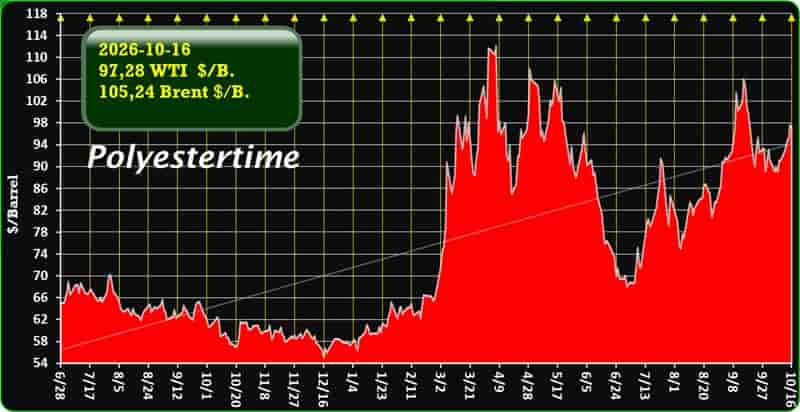
Oil Prices Surge as US-Iran Tensions Shake Global Markets: Brent Near $95, WTI Around $92
Oil Prices Surge as US-Iran Tensions Shake Global Markets – Oil Prices and US-Iran War
Brent Near $95 and WTI Around $92 as Markets React to Geopolitical Risk
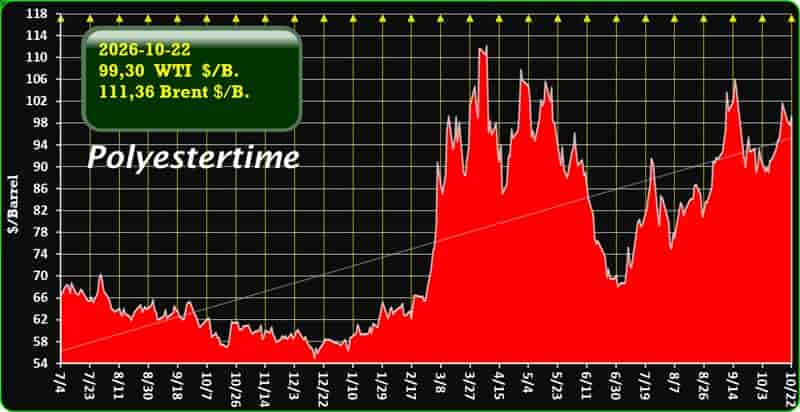
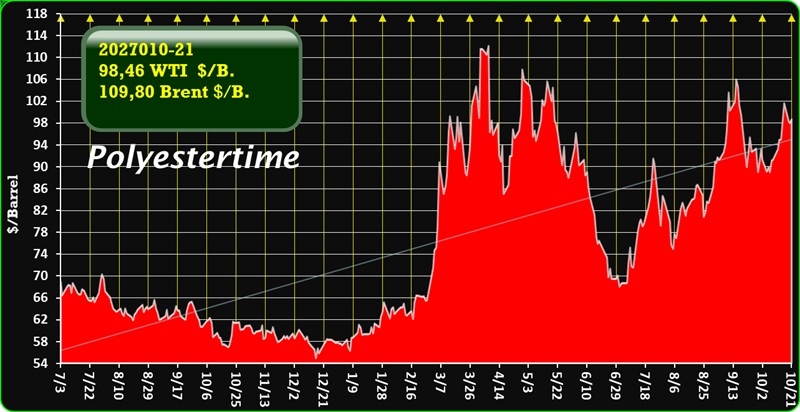
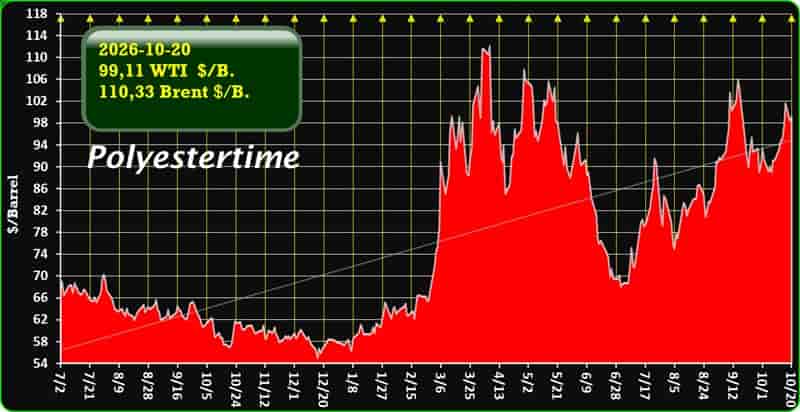
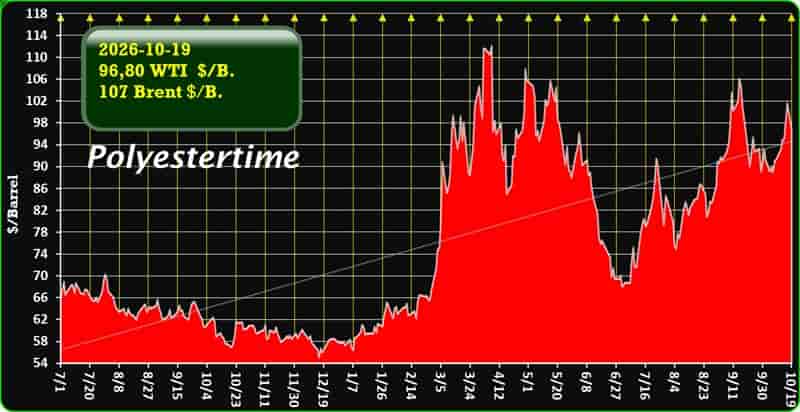
Global oil markets remain highly volatile as tensions between the United States and Iran continue to influence investor sentiment and energy supply expectations. Brent crude is currently trading around $95 per barrel, while West Texas Intermediate (WTI) is hovering close to $92 per barrel. Recent price swings reflect growing uncertainty surrounding the stability of Middle Eastern oil exports and the future of diplomatic negotiations between Washington and Tehran.
The energy market has become increasingly sensitive to every update related to military activity, sanctions, and shipping routes in the Gulf region. Traders are particularly focused on the Strait of Hormuz, one of the world’s most important oil transit chokepoints, through which roughly 20% of global oil shipments normally pass. Any disruption in this area can immediately affect crude prices worldwide.
Why Oil Prices Are Rising
Several factors are currently supporting elevated oil prices:
1. Supply Risks in the Middle East
The ongoing conflict and tensions involving Iran have increased fears of supply interruptions. Even temporary restrictions or security threats near the Strait of Hormuz can reduce available exports and create panic buying in energy markets.
Recent reports indicate that negotiations between the United States and Iran remain fragile. Markets reacted strongly after renewed military incidents raised doubts about a long-term ceasefire agreement.
2. Uncertainty Around the Strait of Hormuz
The Strait of Hormuz remains the key focus for oil traders. Any blockage, military escalation, or shipping restriction in the area could sharply reduce global crude supply.
Although some reports suggest progress toward reopening shipping lanes, analysts warn that restoring full oil flows may take months rather than days.
3. Market Volatility Driven by Headlines
Oil prices are now moving rapidly in response to political developments rather than traditional supply-demand fundamentals. A single announcement about ceasefire negotiations or military strikes can move Brent and WTI several percentage points within hours.
Reuters reported that traders recently pushed prices lower after signs of renewed diplomatic talks, although uncertainty continues to keep risk premiums elevated.
Brent vs WTI: Understanding the Difference
Brent crude and WTI are the two main global oil benchmarks.
- Brent crude is more sensitive to Middle Eastern and international supply disruptions because it reflects global seaborne oil markets.
- WTI is tied more closely to North American production and refinery dynamics.
At the moment, Brent remains slightly higher than WTI because global traders continue pricing in geopolitical risks connected to Middle Eastern exports.
Impact on the Global Economy
Higher oil prices are already affecting consumers, businesses, and central banks around the world.
Rising Inflation Pressure
When crude oil prices rise, transportation and manufacturing costs increase. This often translates into higher prices for gasoline, food, airline tickets, and consumer goods.
Economists are increasingly concerned that sustained oil prices above $90 per barrel could complicate inflation control efforts in the United States and Europe.
Pressure on Central Banks
Persistent energy inflation may force central banks to maintain higher interest rates for longer periods. This could slow economic growth while increasing borrowing costs for households and businesses.
Energy Security Concerns
Countries heavily dependent on imported oil, particularly in Europe and Asia, are monitoring the situation closely. Any prolonged disruption in Gulf oil exports could intensify global competition for alternative energy supplies.
Could Oil Prices Move Above $100 Again?
Analysts remain divided on the short-term outlook for crude oil.
Some investment banks believe Brent could temporarily move back above $100 per barrel if tensions escalate or if shipping disruptions worsen. Others expect prices to stabilize if diplomatic negotiations progress and oil flows through the Strait of Hormuz gradually normalize.
Much will depend on three critical factors:
- The success or failure of US-Iran negotiations
- The security of Gulf shipping routes
- Global demand growth during the second half of the year
For now, markets remain extremely headline-driven.
What Investors and Consumers Should Watch Next
The coming weeks could be crucial for the direction of oil prices.
Key developments to monitor include:
- Official statements from US and Iranian officials
- Shipping activity in the Strait of Hormuz
- OPEC production decisions
- US crude inventory data
- Inflation reports from major economies
Any improvement in diplomatic relations could reduce the geopolitical premium currently embedded in oil prices. On the other hand, further escalation may trigger another sharp rally in crude markets.
Final Thoughts
Brent crude near $95 and WTI around $92 underline how deeply geopolitical tensions are influencing global energy markets. While hopes for diplomatic progress continue to emerge, uncertainty surrounding the US-Iran conflict and the Strait of Hormuz keeps traders cautious.
Oil prices are likely to remain volatile in the near term, with markets reacting quickly to political developments, military activity, and supply concerns. For consumers, businesses, and investors alike, the situation remains one of the most important drivers of the global economic outlook in 2026.
Oil Prices Surge as US-Iran War Fuels Market Volatility: Brent Near $96 and WTI at $93
More…