US-Iran War Oil Prices: Brent Hits $99 as Middle East Escalation Drives Energy Market Surge
US-Iran War Oil Prices Surge Near $100: Market Dynamics and Economic Fallout
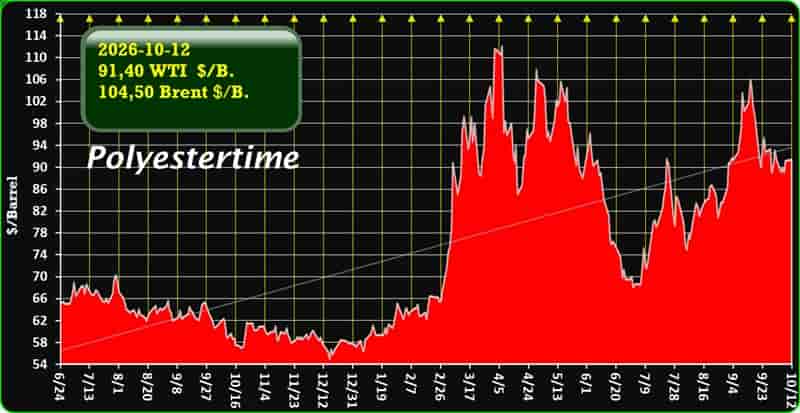
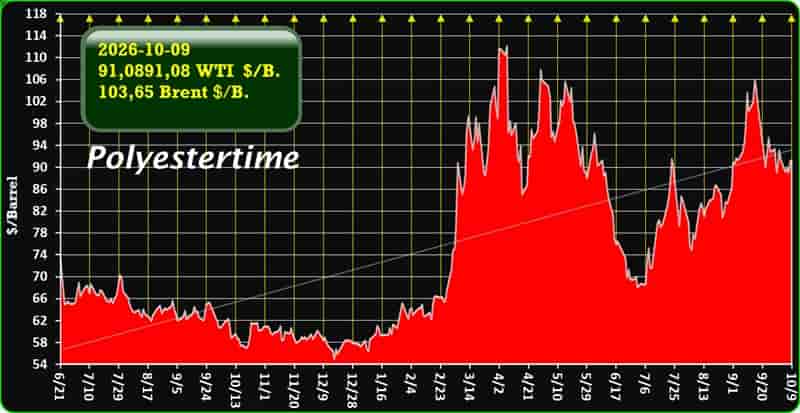
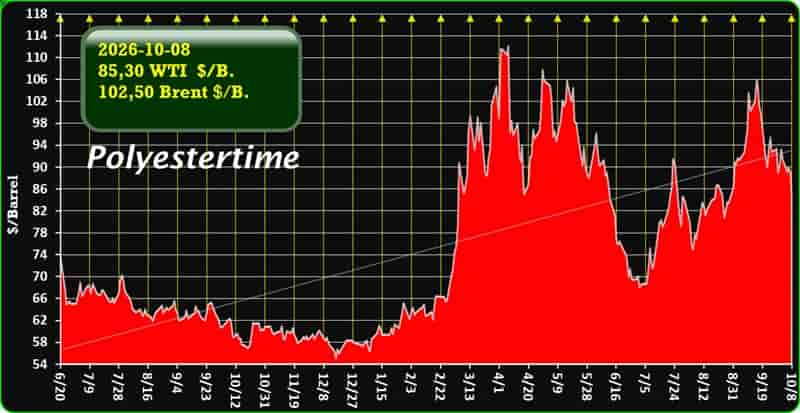
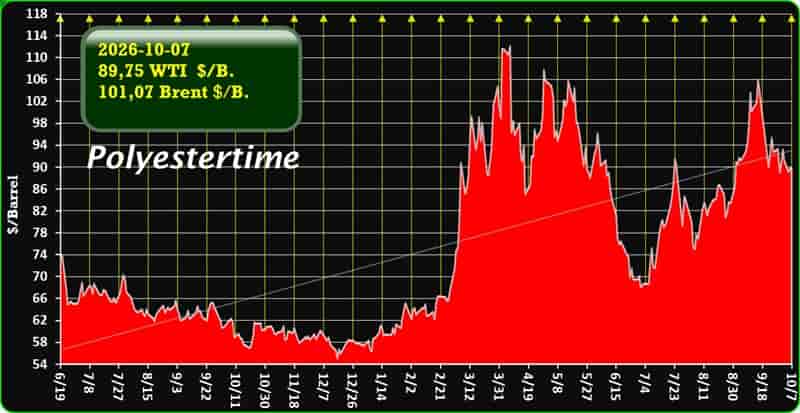
Global energy markets are experiencing intense volatility as escalating military clashes between the United States and Iran drive benchmark crude prices to multi-month highs. Brent crude is currently trading near $99 per barrel, while West Texas Intermediate (WTI) has crossed $94 per barrel. US-Iran War Oil Prices
The price surge reflects deep market concern over physical disruptions across Middle Eastern export routes, primarily the Strait of Hormuz. With military exchanges intensifying, targeted tanker strikes, and attacks reported near regional energy infrastructure, the geopolitical risk premium embedded in every barrel of crude has expanded rapidly.
+--------------------------------------------------------------------+
|                      CRUDE OIL BENCHMARKS                          |
+--------------------------------------------------------------------+
|  BENCHMARK                     CURRENT PRICE                       |
|  Brent Crude                   ~$99.00 / barrel                    |
|  West Texas Intermediate (WTI) ~$94.00 / barrel                    |
+--------------------------------------------------------------------+
Escalation along Key Maritime Corridors
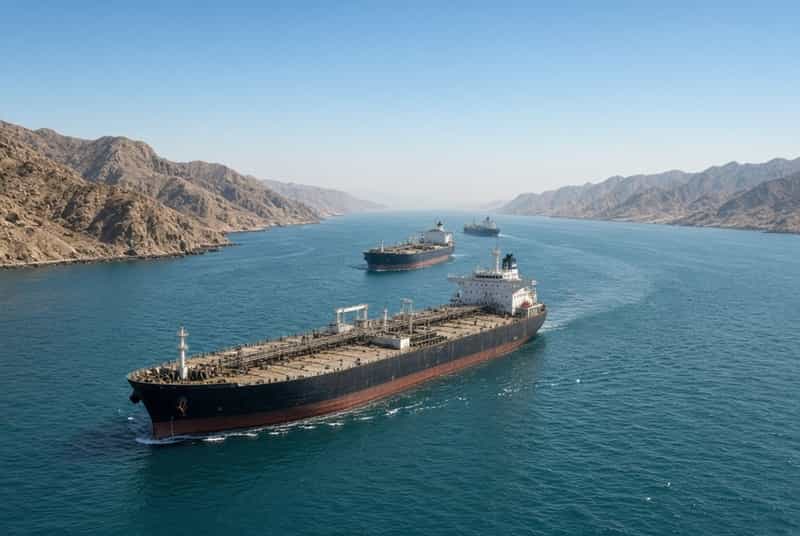
The primary driver behind the crude rally is the direct threat to energy transit routes in the Persian Gulf. Recent military operations involving US forces and Iranian naval assets have escalated into targeted maritime interdictions and vessel strikes.
-
Tanker Strikes: Direct exchanges involving commercial tankers and military forces have prompted shipping lines to alter vessel routes or pause transits through the Gulf entirely.
-
Regional Infrastructure Risks: Collateral threats to regional processing facilities and storage terminals—including recent attacks on energy hubs in the region—have forced insurance underwriters to sharply increase war-risk premiums for oil carriers.
-
The Hormuz Bottleneck: Roughly one-fifth of global petroleum liquids consumption passes through the Strait of Hormuz. Even partial or temporary bottlenecks create immediate deficits in spot supply markets. US-Iran War Oil Prices
These developments have widened the spread between global Brent crude and domestic US WTI. Because European and Asian importers rely more heavily on Middle Eastern crude shipments, Brent carries a steeper risk premium than domestic US supply.
Market Buffers and Supply Realities
While prices approach key psychological thresholds, global inventory mechanisms are attempting to cushion the shock. However, structural limits on non-Gulf production mean these buffers can only buy limited time if disruptions persist.
Strategic Reserves and Commercial Stocks
Major consuming nations have begun tapping strategic stockpiles to stabilize domestic fuel supplies. The US Strategic Petroleum Reserve (SPR) has drawn down significantly alongside commercial holdings in Asia. While reserve releases help cushion initial price spikes, continuous inventory drawdowns leave global markets more vulnerable to sustained supply shocks.
Spare Capacity Constraints
Outside of the immediate conflict zone, major producers hold limited immediate spare capacity. Logistical delays and shipping constraints prevent non-Gulf production from rapidly replacing lost volume in Asian and European import markets. Consequently, global inventories face steady drawdowns. US-Iran War Oil Prices
+--------------------------------------------------------------------+
|                    SUPPLY RISK MATRIX                              |
+--------------------------------------------------------------------+
|  BULLISH DRIVERS (UPWARD)        |  BEARISH DRIVERS (DOWNWARD)     |
|  • Tanker & route disruptions    |  • Strategic reserve releases   |
|  • Escalating regional strikes   |  • High central bank rates      |
|  • Low global spare capacity     |  • Consumer demand destruction  |
+--------------------------------------------------------------------+
Macroeconomic Impact and Inflation Outlook
The surge in energy costs complicates global monetary policy and economic forecasts. Energy prices directly influence transport, manufacturing, and consumer baseline costs, creating persistent inflationary pressure.
-
Central Bank Dilemma: Persistent elevated crude prices restrict central banks’ flexibility to cut interest rates. If fuel-driven inflation accelerates, monetary authorities may hold benchmark interest rates higher for longer, weighing on broader economic growth.
-
Refinement and Fuel Spreads: High raw crude costs flow into refined product markets, driving up prices for diesel, gasoline, and jet fuel. This increases supply chain costs across global freight networks.
-
Consumer Demand Destruction: If Brent crude maintains levels above $100 per barrel, sustained high retail fuel prices could trigger demand destruction, reducing broader consumer spending across non-essential economic sectors. US-Iran War Oil Prices
Energy Market Scenarios
The trajectory of crude prices over coming quarters hinges on military developments and maritime security along main transit routes. Market analyst projections focus on two primary potential paths:
Scenario A: Sustained Escalation (Brent > $105/bbl)
If military operations directly disrupt physical processing hubs or lead to a sustained blockade of the Strait of Hormuz, real supply shortfalls will replace risk premiums. Under this scenario, emergency inventory releases will fail to offset volume losses, pushing crude toward multi-year highs.
Scenario B: Maritime De-escalation (Brent $80–$85/bbl)
If diplomatic channels establish protected transit corridors or military actions de-escalate, the geopolitical risk premium built into current pricing will unwind. Prices would then re-align with baseline global supply and demand fundamentals. US-Iran War Oil Prices
Until maritime safety through key energy corridors is restored, global energy markets will remain highly sensitive to real-time security developments in the region.
More…