Global Energy Volatility: How the US-Iran Crisis Keeps Oil Near $99 a Barrel
US-Iran Oil Price Surge
Global Energy Volatility: How the US-Iran Crisis Keeps Oil Near $99 a Barrel
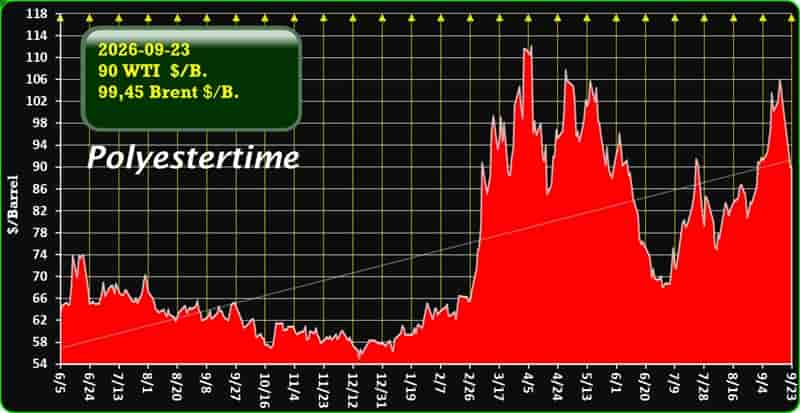
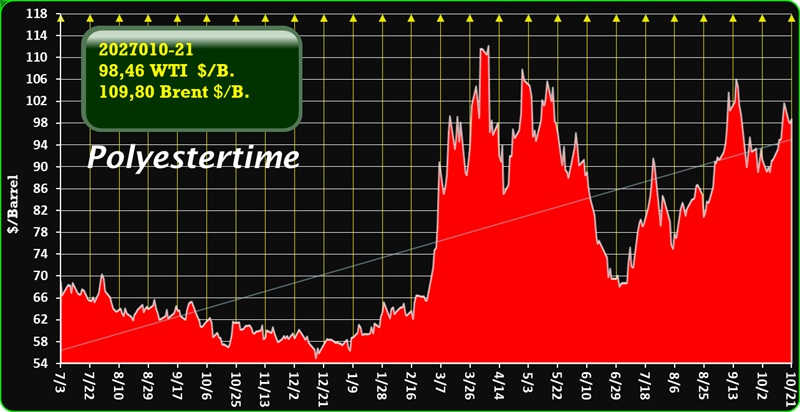
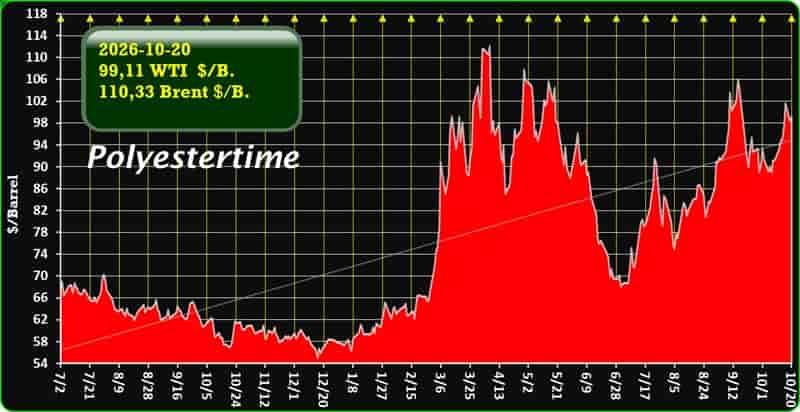
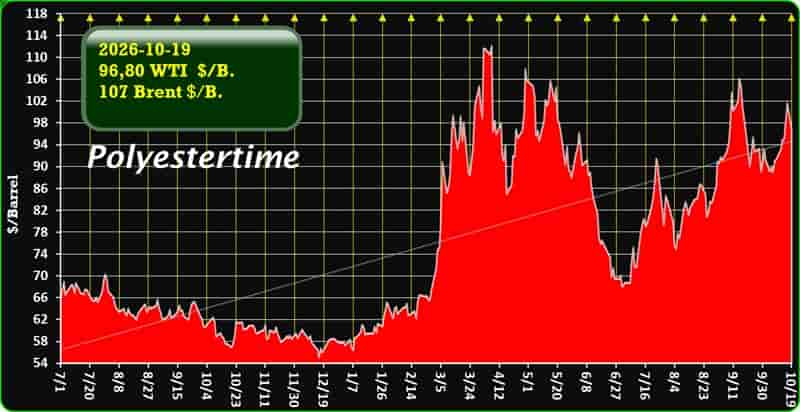
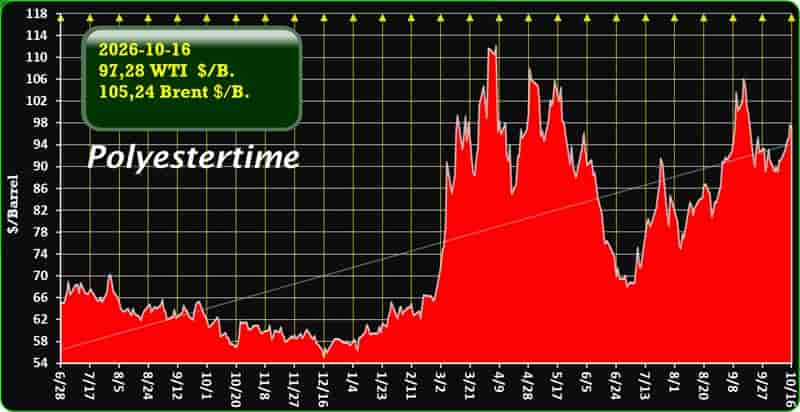
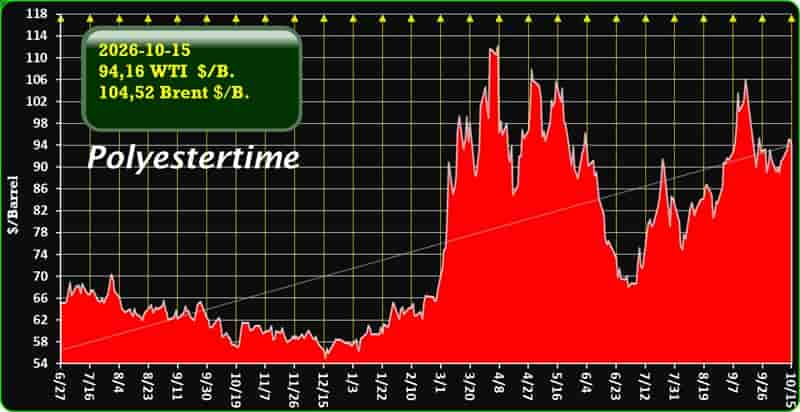
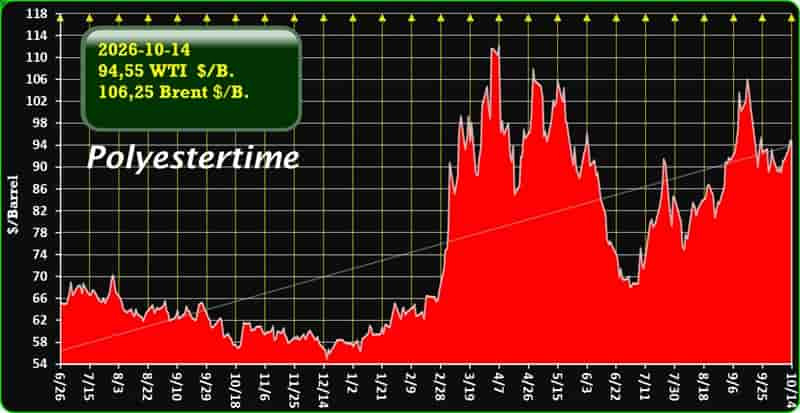
Geopolitical risk premiums have returned to energy markets with full force. Benchmark crude prices have experienced sharp swings, with Brent crude fluctuating around $99 per barrel and West Texas Intermediate (WTI) trading near $90 per barrel.
The driver behind this sustained elevation is clear: complex, evolving friction between the United States and Iran, alongside security concerns surrounding critical maritime trade bottlenecks such as the Strait of Hormuz.
Understanding how current diplomatic talks, maritime threats, and structural market supply realities intersect provides essential context for where global energy prices may head next.
The Geopolitical Tension: Washington, Tehran, and the Strait of Hormuz
Crude oil markets remain uniquely sensitive to developments in the Middle East. Following heightened military posturing and economic sanctions targeting Iranian energy exports and transport networks, energy traders are pricing in severe risk margins.
A major focal point of market anxiety centers on the Strait of Hormuz—the vital narrow waterway through which roughly 20% of the world’s petroleum consumption passes daily. Disruptions, localized attacks on oil tankers, and security warnings issued in the region have repeatedly triggered price spikes.
While diplomatic headlines—including preliminary talks and diplomatic overtures around the United Nations General Assembly—have periodically pulled Brent back below the triple-digit threshold, underlying structural fear prevents prices from making a full retreat. US-Iran Oil Price Surge
┌─────────────────────────────────────────────────────────┐
│              KEY ENERGY BENCHMARK STATUS                │
├──────────────────────────┬──────────────────────────────┤
│ Brent Crude Benchmark    │ ~ $99 / barrel               │
│ WTI Crude Benchmark      │ ~ $90 / barrel               │
│ Primary Volatility Driver│ US-Iran Geopolitical Strains │
│ Critical Risk Corridor   │ Strait of Hormuz Maritime Route│
└──────────────────────────┴──────────────────────────────┘
Market Fundamentals: Supply Deficits vs. Diplomatic Breakthroughs
Energy analysts describe the current environment as a tug-of-war between physical supply fears and speculative diplomatic optimism. Several core factors determine how long prices remain elevated:
-
OPEC+ Production Quotas: Member nations have held steady on conservative production ceilings, limiting excess global buffer capacity.
-
Alternative Routing Logistics: Any attempt to reroute crude away from Persian Gulf ports adds freight costs, tanker insurance premiums, and transit delays.
-
Strategic Reserve Capacity: Major consuming nations have relied heavily on national strategic petroleum reserves over past years, leaving lower domestic safety buffers against major supply halts.
-
Economic Demand Factors: Despite persistent inflation concerns, global industrial demand for distillate fuels and crude feedstocks has remained resilient.
As long as direct resolution remains uncertain, physical oil supplies remain vulnerable to sudden supply shocks.
Economic Implications for Western Markets and Consumers
When Brent crude trades near $99 and WTI hovers around $90, the economic ramifications extend far beyond energy trading desks. The trickle-down effects impact everyday business costs and consumer spending in three primary ways:
1. Transportation and Logistics Costs
Higher crude prices immediately translate to elevated diesel and jet fuel prices. Freight carriers, maritime shipping lines, and commercial airlines pass these costs along through fuel surcharges, increasing the landed cost of general consumer goods.
2. Broad Inflationary Pressure
Central banks monitor energy spikes closely. Persistent high energy costs act as an input tax across manufacturing, agriculture, and chemical processing, slowing down central bank efforts to tame baseline consumer inflation.
3. Retail Gasoline Volatility
At $90 WTI, domestic pump prices experience upward pressure. Refineries facing high input costs are forced to maintain higher retail prices for unleaded gasoline, directly affecting household disposable income.
Outlook: What Traders and Policy Makers Are Watching
Looking ahead, market participants are monitoring several critical indicators to determine whether oil will surge past $100 or cool down toward long-term historical averages:
-
Diplomatic Progress: Concrete terms surrounding maritime security or sanctions relief could immediately lower the geopolitical risk premium attached to Brent crude.
-
Infrastructure Protection: Continued security of commercial shipping channels and coastal storage facilities remains paramount.
-
Inventory Levels: Commercial crude inventory reports from major economies will indicate whether current production levels are sufficient to match demand.
Until a permanent framework for regional stability is achieved, energy markets will likely remain volatile, with Brent and WTI staying highly sensitive to daily geopolitical developments.
More…