Escalating US-Iran Crisis Threatens Global Economy as Brent Crude Surges Past $110
US Iran oil prices
US-Iran Tensions and Global Markets: Brent Hits $110 as Energy Vulnerabilities Deepen
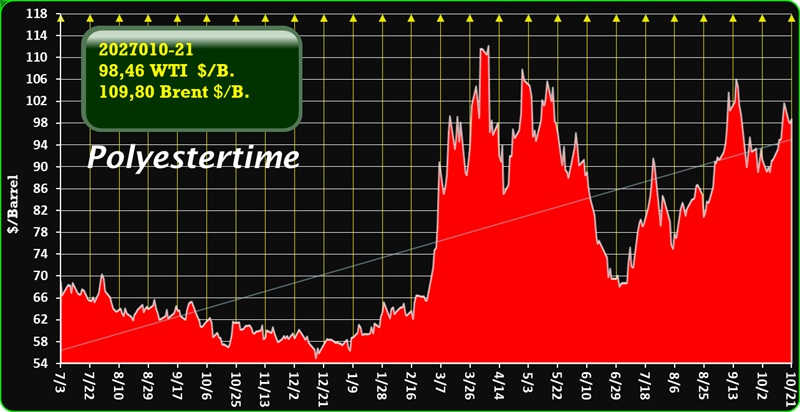
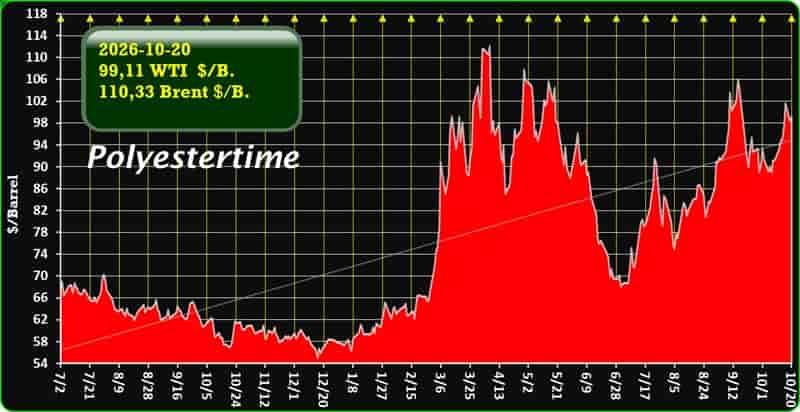
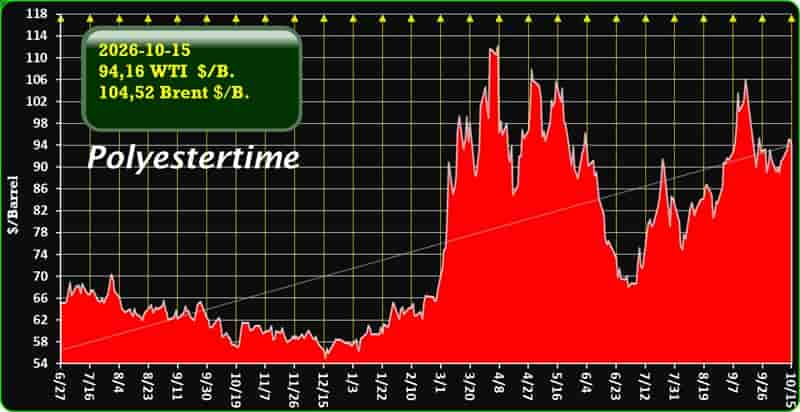
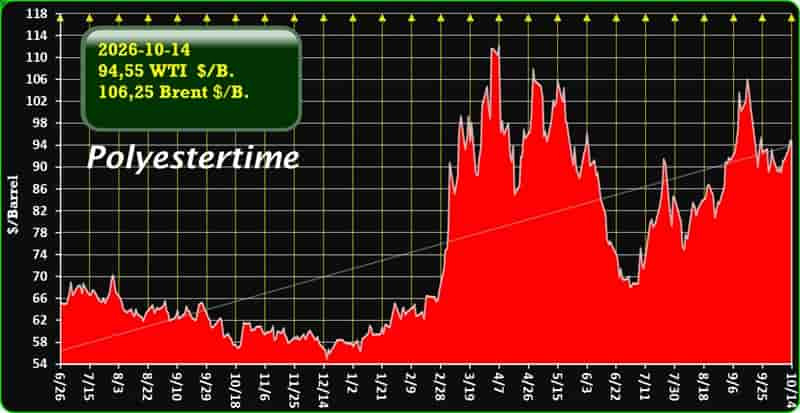
Global energy markets are experiencing renewed volatility as oil prices push into triple-digit territory. Brent crude futures traded above $110 per barrel, while West Texas Intermediate (WTI) climbed to approximately $99 per barrel. The sustained surge reflects mounting anxiety over supply security, persistent conflict dynamics between the United States and Iran, and ongoing threats to critical maritime transport corridors in the Middle East.
While market participants closely monitor diplomatic channels, military incidents in and around the Persian Gulf continue to dictate price swings. For global businesses, policymakers, and consumers, the combination of elevated crude prices and geopolitical fragility signals an extended period of economic headwinds. US Iran oil prices
Escalating Tensions in the Middle East Drive Energy Volatility
The relationship between geopolitical stability in West Asia and international energy benchmarks remains direct and potent. A major contributor to the current price environment is the friction between the United States, its regional partners, and Iran. Military posturing, economic sanctions, and localized skirmishes have created severe uncertainty across commodity exchanges.
Traders are pricing in a substantial geopolitical risk premium. The vulnerability of key energy corridors—most notably the Strait of Hormuz—remains the primary catalyst. Recent naval encounters, military exercises, and vessel disruptions in critical shipping lanes have heightened fears that oil shipments from the Gulf could face extended delays or outright blockades.
Though regional export volumes have partially recovered from earlier disruption peaks, supply lines remain precarious. Even incremental news regarding military maneuvers or diplomatic breakdowns sends immediate ripples through physical and paper crude markets. US Iran oil prices
Market Dynamics: Unpacking Brent at $110 and WTI at $99
The disparity between international benchmark Brent and US benchmark WTI highlights distinct regional market fundamentals alongside shared global pressures:
-
Brent Crude ($110/bbl): As the primary reference for international crude oil transactions, Brent reflects immediate physical supply risks across Europe, Asia, and the Middle East. Elevated shipping insurance rates, altered transit routes around Africa, and reduced availability of Middle Eastern heavy crudes keep Brent elevated.
-
WTI Crude ($99/bbl): While domestic US production provides a buffer, WTI remains closely tied to international pricing. Demand for US export cargoes in Europe and Asia has driven WTI toward $100 per barrel, reflecting tight global balances despite strong domestic output. US Iran oil prices
+-----------------------------------------------------------------------+
| Benchmark    | Price Range | Primary Price Drivers                    |
+--------------+-------------+------------------------------------------+
| Brent Crude  | ~$110/bbl   | Shipping risks, Strait of Hormuz, Middle  |
|              |             | Eastern export vulnerabilities           |
+--------------+-------------+------------------------------------------+
| WTI Crude    | ~$99/bbl    | High export demand, domestic refinery    |
|              |             | drawdowns, global price coupling         |
+-----------------------------------------------------------------------+
Diplomatic Hurdles and the Risk of Miscalculation
Attempts at diplomatic intervention have so far yielded mixed signals. High-level mediation efforts involving regional third parties have aimed to establish channels for de-escalation. However, key stakeholders remain apart on core security issues, non-proliferation requirements, and the relaxation of economic sanctions. US Iran oil prices
Military analysts note that prolonged standoffs carry an inherent risk of accidental escalation. Unintentional encounters in international waters or targeted cyber operations against energy infrastructure could trigger retaliatory strikes. As long as formal agreements remain out of reach, energy markets will continue to treat diplomatic announcements with skepticism, maintaining a floor under global crude prices.
Macroeconomic Fallout: Inflation and Consumer Costs
Oil trading at triple-digit levels places direct upward pressure on global inflation metrics. Higher crude costs translate into increased prices for refined fuels, including gasoline, diesel, and jet fuel.
-
Refined Product Spreads: Retail fuel prices across major economies have climbed sharply, squeezing household purchasing power and consumer confidence.
-
Transportation and Freight: Logistics companies face surging operational expenses, which are progressively passed down to wholesale and retail supply chains.
-
Central Bank Dilemma: Persistent energy-driven inflation complicates monetary policy. Central banks face the dual challenge of controlling headline inflation while preventing high energy costs from curbing economic growth. US Iran oil prices
Strategic Reserves and Alternative Supply Chains
To mitigate extreme market volatility, major importing nations are evaluating strategic policy responses. Strategic Petroleum Reserve (SPR) releases have historically been used to cushion supply shocks. However, repeated drawdowns leave national inventories leaner than in previous crisis periods, limiting their long-term efficacy.
Concurrently, global refiners are altering purchasing routes. European buyers continue sourcing alternative supplies from West Africa, North America, and the North Sea to offset reduced availability from the Middle East. While these shifts maintain supply continuity, they increase shipping distances, tanker demand, and overall landing costs. US Iran oil prices
Future Outlook: Key Factors to Watch
The trajectory of crude prices in the coming months will largely depend on three main catalysts:
-
Security Conditions in Maritime Chokepoints: Any sustained disruption in the Strait of Hormuz or Red Sea transit corridors could push prices significantly higher, with analysts warning of potential moves toward $120 per barrel.
-
OPEC+ Production Strategy: Production decisions from OPEC+ will be critical in determining whether market deficits can be offset by spare capacity held elsewhere.
-
Diplomatic Breakthroughs: A verifiable, multi-party agreement that reduces military activity in the region remains the single most effective vector for driving a sustained pullback in global oil prices.
Until tangible security guarantees are established, energy markets will remain vulnerable to geopolitical events. Investors, businesses, and consumers should prepare for continued volatility as the situation surrounding US-Iran relations unfolds. US Iran oil prices
More…