US-Iran Oil Prices: Navigating a Tug-of-War Between Hormuz Risks and Supply Buffers
US Iran oil prices
US-Iran Oil Prices: Navigating a Tug-of-War Between Hormuz Risks and Supply Buffers
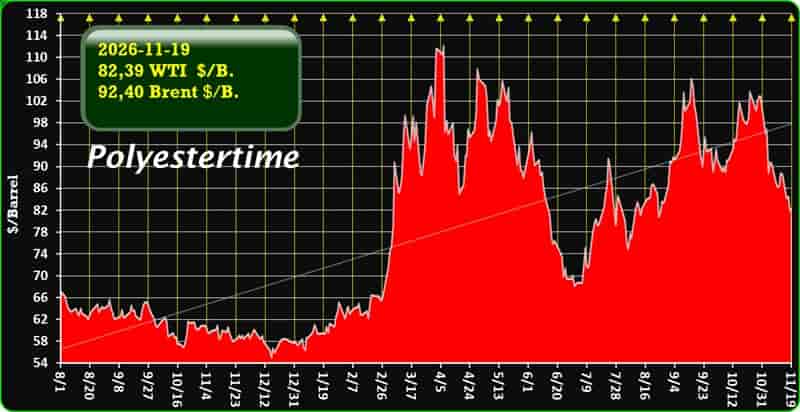
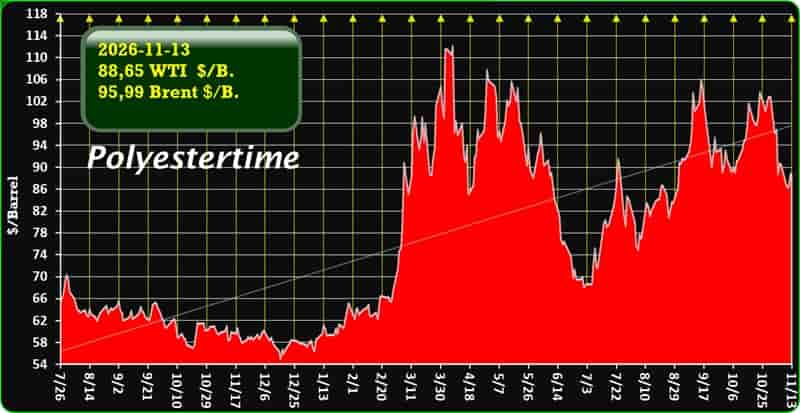
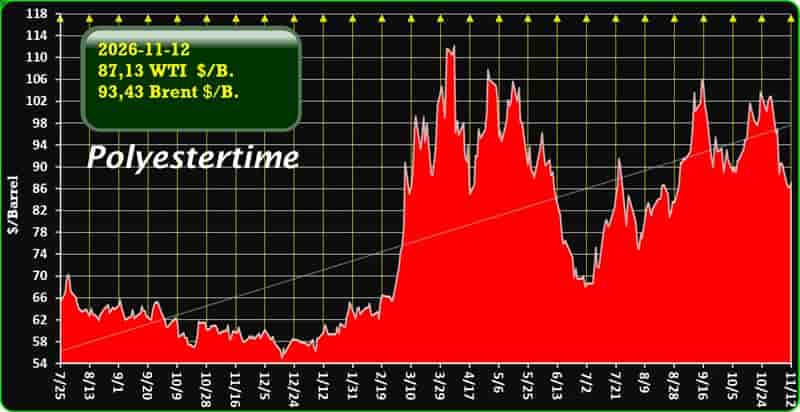
Global energy markets remain on edge on November 19, 2026, as US Iran oil prices reflect a sharp tug-of-war between immediate maritime security threats in the Persian Gulf and broader supply-side pressures. With Brent crude trading near $92 per barrel and West Texas Intermediate (WTI) sitting around $82 per barrel, energy traders are pricing in a roughly $10 per barrel spread that highlights how directly seaborne Middle East exposure differs from domestic North American supply conditions.
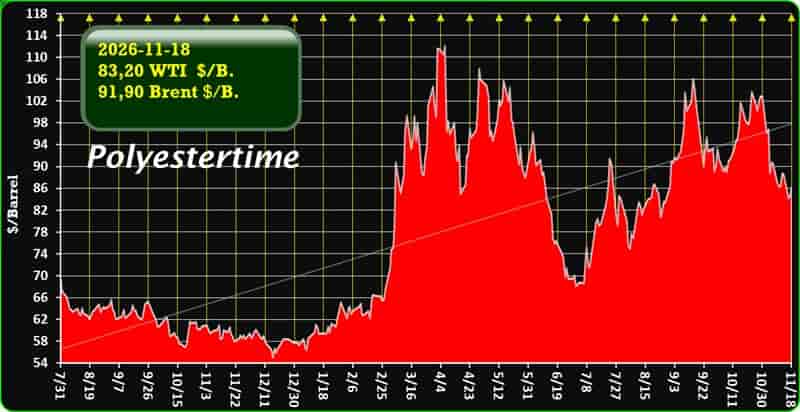
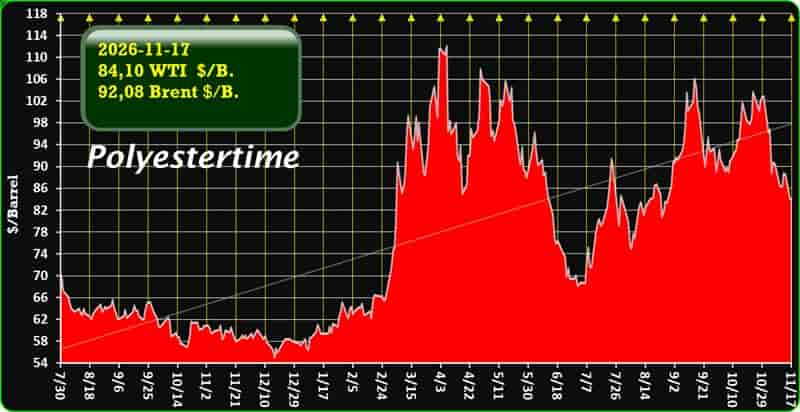
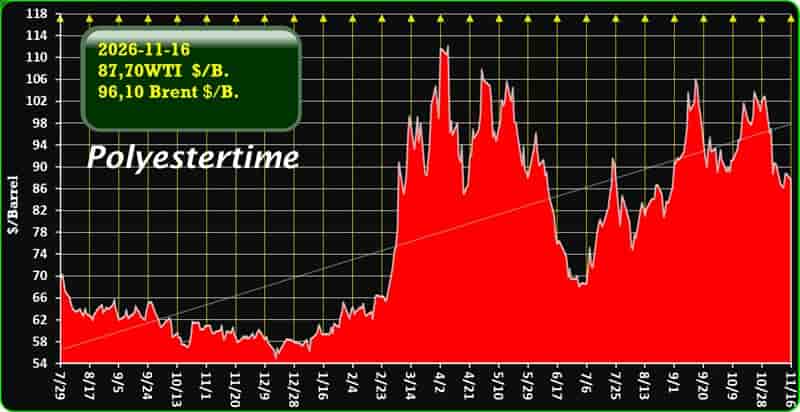
Earlier in 2026, escalation tied to the US-Iran conflict sent crude benchmarks surging dramatically higher—at times pushing Brent toward triple-digit territory above $100 and up toward $120 per barrel during peak shock phases. Today, prices sit well below those spikes, yet volatility persists because every headline around tanker safety, military posture, or diplomatic backchannels can quickly shift risk sentiment across global trading desks. US Iran oil prices
Strait of Hormuz Tensions Keep a Risk Floor Under Crude
For oil markets, the Strait of Hormuz remains the single most sensitive chokepoint in global energy trade. Even when broader macro forces pull prices lower, incidents involving commercial tankers, naval patrols, or regional drone and missile activity remind market participants how quickly physical transit can be disrupted.
Recent reporting on November 19 highlights ongoing shipping hazards in and around the Strait of Hormuz, including reports of tanker explosions or mine-related incidents affecting vessels moving crude through the corridor, alongside continued regional friction involving Iran, the United States, Israel, and Gulf neighbors. Attacks or threats targeting maritime traffic and regional energy infrastructure raise immediate concerns over insurance costs, rerouting delays, and delayed cargoes—factors that disproportionately affect Brent crude, which serves as the international benchmark for seaborne oil.
At the same time, diplomatic signals and mediation efforts keep traders guessing whether tensions will spiral into broader military action or move toward de-escalation. When headlines point toward potential strikes or heightened confrontation, a geopolitical risk premium quickly re-emerges; when diplomats or leaders float prospects of restraint or talks, that premium can fade just as fast.
Why Brent Near $92/B and WTI Near $82/B Tell Two Different Stories
A gap of roughly ten dollars per barrel between Brent around $92/B and WTI around $82/B is more than a routine pricing quirk—it reflects distinct fundamentals on either side of the Atlantic.
-
Brent ($92/B) reflects global waterborne risk: Because Brent is tied closely to international seaborne crude flows, disruptions or threats near the Strait of Hormuz, Red Sea, or Persian Gulf carry a heavier weight in its valuation.
-
WTI ($82/B) reflects US supply and inventory dynamics: As the benchmark for US light sweet crude delivered in Cushing, Oklahoma, WTI is more heavily influenced by domestic crude inventories, US shale production discipline, refinery runs, and North American pipeline capacity. US Iran oil prices
Recent inventory data and supply commentary have given downward pressure more room to operate, particularly on WTI. Rising US crude stockpiles and expectations of ample supply entering the fourth quarter of 2026 have acted as a counterweight against war-related supply fears, preventing crude from sustaining a runaway breakout even amid alarming regional headlines.
Supply Surplus Forecasts vs. Geopolitical Disruption
One of the defining themes of the oil market in late 2026 is the clash between medium-term supply balance projections and short-term conflict risk. Energy agencies and market analysts have pointed to growing non-OPEC supply, shifting production dynamics, and potential surplus conditions heading into late 2026 and 2027.
In a normal market without active conflict, rising inventories and surplus warnings would typically push prices steadily lower. However, the US-Iran war prevents traders from treating supply as guaranteed. A single major escalation affecting export terminals, pipelines, or tanker passages in the Gulf can tighten physical availability overnight, overriding spreadsheet forecasts of a surplus.
Broader macroeconomic factors also shape how oil trades day to day:
-
US dollar strength and interest rate expectations: A firmer dollar and expectations around Federal Reserve policy can make dollar-denominated commodities more expensive for overseas buyers and temper speculative rallies.
-
Other geopolitical flashpoints: Developments involving Russia’s oil infrastructure and diplomatic efforts around Eastern Europe also feed into global refined product and crude balances.
-
Producer policy: Upcoming OPEC and OPEC+ discussions and member capacity assessments keep traders focused on whether producers will adjust output targets in response to price swings.
What Businesses, Travelers, and Investors Should Watch Next
For households, fleet operators, airlines, and energy investors, Brent near $92/B and WTI near $82/B represent a high-alert middle ground. Fuel and freight costs remain elevated compared with pre-conflict baselines, yet immediate physical shortages have not triggered the extreme spikes seen earlier in the year.
Moving forward, four signals will likely dictate the next major leg for oil prices:
-
Maritime security in the Strait of Hormuz: Any verified escalation affecting tanker transit or Gulf shipping lanes.
-
Official inventory reports: Whether US commercial crude stocks continue building or begin drawing down.
-
Diplomatic and military developments: Credible moves toward de-escalation versus fresh strikes or retaliatory actions.
-
Spread movement between Brent and WTI: A widening gap typically signals heightened overseas shipping risk, while a narrowing gap often points to easing international supply anxiety or tighter domestic US balances. US Iran oil prices
Brent at $92 and WTI at $83: Decoding the Global Oil Market Amid the U.S.-Iran Standoff
More…