Breakthrough Low-Carbon Polymers Europe Rollout Slashes Industrial Emissions by Half
Breakthrough Low-Carbon Polymers Europe Rollout Slashes Industrial Emissions by Half
European manufacturers are navigating one of the most demanding industrial transitions in modern history. Tightening climate regulations, strict corporate net-zero pledges, and heightened scrutiny over supply chain emissions are forcing brand owners to rethink the foundational materials inside their products. Stepping directly into this market shift, INEOS Olefins & Polymers Europe has rolled out its INEOS LowINCO₂ range—a comprehensive portfolio of low-carbon polymers Europe producers and downstream manufacturers can adopt immediately to cut their product carbon footprint by up to 50 percent compared to the European industry average.
Rather than asking manufacturers to compromise on durability, safety, or processing speed, the initiative delivers drop-in olefins and polyolefins engineered for critical applications. Combined with major European chemical infrastructure investments—including the €5 billion Project ONE ethane cracker under construction in Antwerp—the rollout highlights how upstream petrochemical innovation is becoming a primary lever for downstream Scope 3 decarbonization. low-carbon polymers Europe
Why Scope 3 Emissions Are Driving Demand for Low-Carbon Olefins
For most consumer brands, medical device makers, and automotive suppliers, the vast majority of corporate greenhouse gas emissions do not come from their own factories. Instead, they sit within Scope 3—the upstream emissions embedded in raw materials, packaging, and components purchased from suppliers.
Across Europe, regulators and institutional buyers increasingly require verified lifecycle data demonstrating year-over-year carbon reductions. However, many essential sectors cannot simply switch away from high-performance plastics without risking product failure, food spoilage, or higher transport weight. low-carbon polymers Europe
According to Liz Rittweger, CEO of INEOS Olefins & Polymers Europe, the LowINCO₂ range was designed specifically for European brands operating under the world’s strictest environmental standards. By lowering the carbon intensity of basic chemical building blocks at the source, downstream converters can achieve measurable emissions reductions without retooling existing manufacturing lines.
Key Industries Benefiting from LowINCO₂ Polyolefins
Because olefins and polyolefins form the backbone of modern manufacturing, reducing their carbon footprint creates a ripple effect across multiple sectors. INEOS has tailored its low-carbon portfolio to meet rigorous technical specifications across six essential end markets:
-
Food and Beverage Packaging: High-purity polymers engineered to preserve shelf life, reduce food waste, and comply with strict European food-contact safety rules while lowering packaging carbon intensity.
-
Medical and Healthcare Products: Consistent, pharmaceutical-grade resins designed for sterile single-use devices, diagnostic equipment, and protective medical supplies where reliability is non-negotiable.
-
Lightweight Transport Components: High-strength, low-weight polymers that help automotive and mobility manufacturers reduce vehicle mass, extending electric vehicle battery range and lowering tailpipe emissions.
-
Water and Gas Distribution Pipes: Durable polyethylene grades built for multi-decade underground utility networks, preventing leaks and safeguarding municipal infrastructure.
-
Construction Materials: Long-lasting insulation, piping, and structural components that improve building energy efficiency while cutting embodied construction carbon.
-
Consumer Technology and Electronics: Precision-molded housings and internal components that meet brand sustainability targets alongside flame-retardant and impact-resistance standards.
A Broader Wave of European Chemical Decarbonization
The launch of INEOS LowINCO₂ reflects a wider structural transformation across the European chemical sector in late November 2026. Facing elevated energy costs, global competition, and strict European Union climate rules, chemical producers are racing to differentiate European manufacturing through ultra-low-carbon and circular feedstocks.
Industry developments in late November underscore this momentum. Across Germany and the broader European bloc, major chemical players are committing fresh capital to low-emission platforms—from Evonik’s €52 million expansion of specialty silicone infrastructure in Essen to collaborations between BioBTX and Rain Carbon aimed at scaling renewable aromatics, alongside carbon-capture-based polymer technologies like Celanese’s ECO-CC. At the same time, the European Union’s newly enforced ban on plastic waste exports to non-OECD countries has intensified focus on keeping high-value polymer loops inside Europe.
Within this shifting landscape, INEOS is positioning its European network around both carbon reduction and circularity. Alongside LowINCO₂, the company’s sustainability portfolio includes its Recycl IN hybrid polymer line—which blends high percentages of mechanically recycled plastics with virgin-grade performance—as well as advanced chemical recycling capabilities, bio-attributed polymers, and multilayer machine-direction orientation (MDO) film technology that enables fully recyclable mono-material packaging. low-carbon polymers Europe
How Project ONE in Antwerp Will Push Carbon Footprints Even Lower
While INEOS LowINCO₂ already delivers a carbon footprint up to half the European average, the company plans to push those benchmarks down further once Project ONE enters service at the Port of Antwerp.
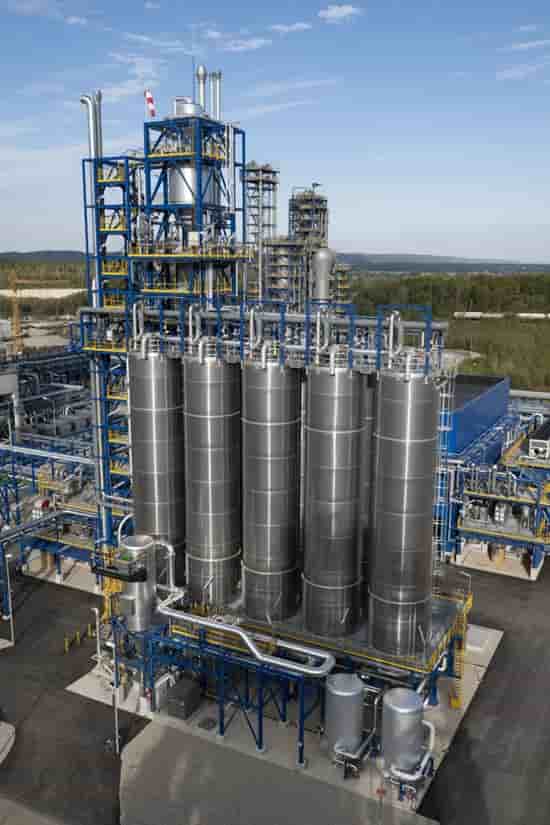
Representing an investment of roughly €5 billion—the largest capital commitment in European chemistry in more than two decades—Project ONE is engineered to be the most energy-efficient and environmentally sustainable ethane cracker in Europe. Following the arrival of its final giant modular furnace units in Antwerp earlier in 2026, construction activity at the site has reached peak momentum, with approximately 2,500 specialists laying over 1,250 kilometers of electrical and instrumentation cabling ahead of mechanical completion and a targeted startup in the second half of 2027.
Once operational, Project ONE will produce ethylene—the foundational chemical building block for countless polymers—with the lowest carbon footprint in Europe, roughly three times lower than the average European steam cracker. Integrating that ultra-low-emission ethylene directly into the LowINCO₂ value chain will give European manufacturers an even stronger competitive edge in global low-carbon supply chains. low-carbon polymers Europe
Frequently Asked Questions (FAQ)
What is the INEOS LowINCO₂ range?INEOS LowINCO₂ is a portfolio of low-carbon olefins and polyolefins launched by INEOS Olefins & Polymers Europe that achieves a product carbon footprint up to 50 percent lower than the European industry average.
How do low-carbon polymers help brands reduce Scope 3 emissions? Scope 3 emissions include the carbon footprint of purchased raw materials and packaging. By substituting conventional plastics with drop-in LowINCO₂ polymers that require no manufacturing equipment changes, brands immediately lower the embodied carbon of their finished products.
When will INEOS Project ONE in Antwerp begin operations?Project ONE, INEOS’s €5 billion low-emission ethane cracker in the Port of Antwerp, is currently in peak construction and is scheduled to start up in the second half of 2027, further reducing the carbon footprint of INEOS’s European polymer portfolio. low-carbon polymers Europe
Breakthrough FDCA Capacity Reservation Fuels Bio-Based Polymer Growth
More…