AI optical sorting technology – Recycling Sector Celebrates Breakthrough as New AI Optical Sorting Technology Delivers Faster, Smarter and More Accurate Material Separation for Global Waste Facilities 01-12-2025
AI optical sorting technology
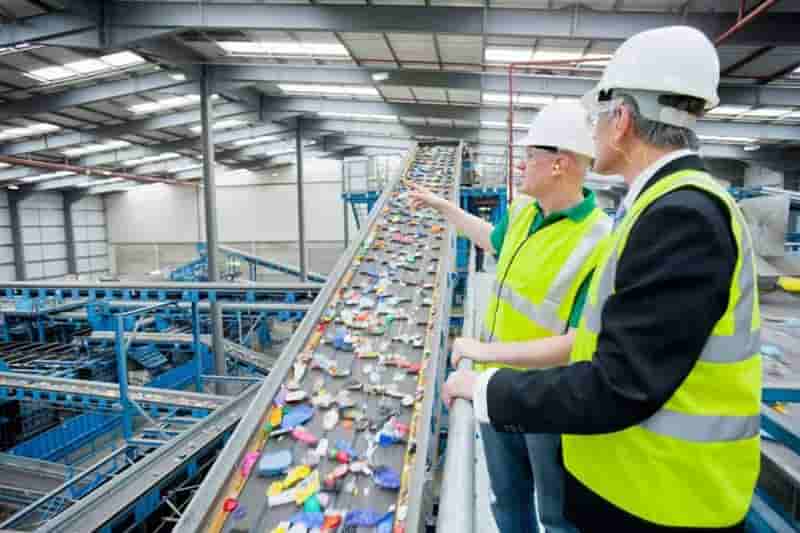
A major leap forward has reached the recycling industry as BRT HARTNER introduces its first fully AI-supported optical sorting system. The new BRT HARTNER AS Automatic Sorter represents a powerful step toward smarter, cleaner and more efficient waste processing. Built in collaboration with RTT System GmbH, the solution blends hyperspectral imaging, sensor fusion and advanced algorithms into a single high-performance system. This innovation positions AI optical sorting technology at the centre of the next generation of recycling machinery.
The BRT HARTNER AS is designed to take on material streams that conventional sorting machines struggle to process. At its core, the machine relies on a proven combination of an acceleration belt, optical sensors and precise compressed-air ejection. What sets this new system apart is the integration of hyperspectral imaging, offering far more detailed analysis than traditional near-infrared methods. The use of HSI significantly enhances the depth and accuracy of material detection, making the sorter a powerful example of modern AI optical sorting technology.
HSI not only delivers high-resolution images but also reveals the chemical and structural properties of materials. This means the system can classify waste components with greater confidence, even when dealing with complex or lightweight packaging. The intuitive operator interface displays live material classifications, allowing users to see exactly how the sorter evaluates each item. This real-time transparency is another strong benefit enabled by advanced AI optical sorting technology.
A defining feature of the new Automatic Sorter is its comprehensive sensor fusion concept. Instead of processing data through several interfaces, all sensor outputs—NIR, colour, 3D and metal—are evaluated directly as raw data. This approach avoids losses and ensures that the analysis algorithms receive the highest-quality information possible. Because the detection model is trained on extensive datasets, it consistently produces highly precise results. It also adapts well as waste compositions evolve, showcasing how AI optical sorting technology enhances long-term operational value.
The system’s sensor fusion architecture also enables easy integration of new sensors. Facilities can retrofit future technologies, including 3D detectors, metal sensors or even marker-based systems. This adaptability ensures that the sorter remains future-proof and capable of meeting evolving recycling regulations. Such flexibility demonstrates the broader potential of AI optical sorting technology to strengthen circular economy operations.
For users who require even more specific recognition capabilities, the Automatic Sorter can be upgraded with object-level AI. With the addition of a colour camera, the system can identify individual predefined items and separate them with exceptional accuracy. This makes the machine an investment built not only for today’s sorting needs but also for future requirements where precise, item-level accuracy is essential. Once again, this mirrors the strength of AI optical sorting technology in supporting next-generation material recovery.
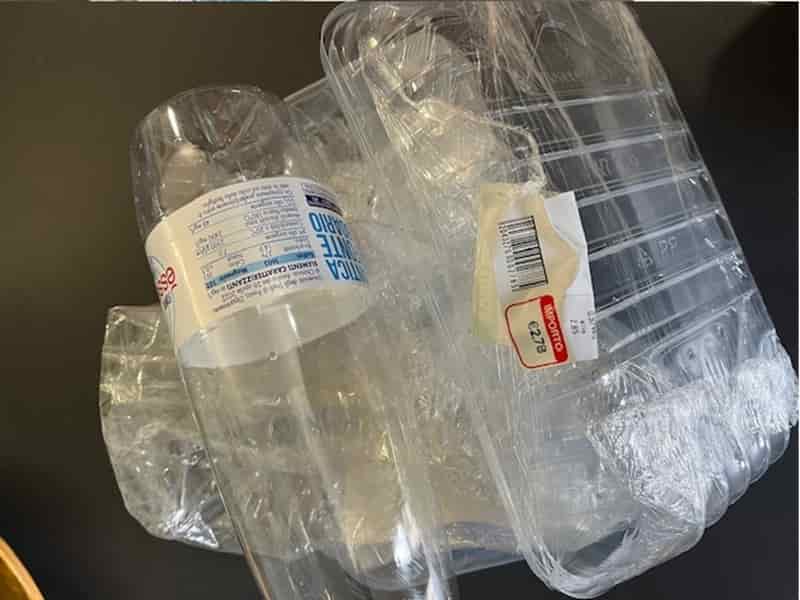
The BRT HARTNER AS is particularly well suited for plastics recycling, where clear differentiation between polymer types is crucial. Chemical recycling processes are becoming more common, and they require highly pure feedstocks. The sorter’s ability to distinguish the material composition of lightweight packaging or mixed plastics ensures recyclers can deliver the purity levels that modern processing plants demand. This capability reinforces why AI optical sorting technology is becoming a central asset in advanced plastics management.
The system is also useful for preparing substitute fuels, removing impurities and improving overall material quality. Because the sorter can analyse and classify materials with such precision, it enables operators to optimize downstream processes. This versatility expands the range of applications where AI optical sorting technology can create measurable efficiency gains.
Another practical advantage is the choice of lighting. The BRT HARTNER AS does not rely on specialized or proprietary light sources. Instead, all components can be purchased easily through mainstream suppliers, offering cost-effective replacement and long-term convenience. Compared with typical hyperspectral systems, the new sorter needs roughly 50% fewer light sources, reducing energy consumption and simplifying maintenance—another area where AI optical sorting technology contributes to sustainable design.
Maintenance access has also been prioritized. A retractable platform inside the unit allows technicians to reach the separation area quickly and safely. An optional sensor unit configuration enables cleaning and servicing directly from a maintenance walkway. These design choices make the machine both operator-friendly and efficient, reflecting the practical advantages that accompany innovative AI optical sorting technology.
The development of the BRT HARTNER AS stems from a strategic partnership between BRT HARTNER and RTT System GmbH. With more than 30 years of experience in recycling machinery and a global network of industry contacts, BRT HARTNER brings engineering expertise and market reach. RTT System GmbH contributes advanced sensor-based system knowledge and proven experience in optical analysis, including its Picksort solution that merges detection technology with robotics. Together, the companies have produced a highly capable and forward-thinking sorting solution grounded in robust AI optical sorting technology.
The collaboration not only strengthens both companies’ product portfolios but also supports the broader transition toward smarter, more automated recycling facilities. As waste streams become more complex and regulatory requirements intensify, the need for precision sorting continues to grow. The BRT HARTNER AS responds directly to that demand, showing how AI optical sorting technology can elevate performance, adaptability and overall recycling quality.
With its combination of sensor fusion, hyperspectral imaging and future-ready AI integration, the BRT HARTNER AS Automatic Sorter stands as a significant milestone for the recycling sector. It represents a new level of accuracy, versatility and long-term scalability—key factors for facilities striving to meet modern environmental and economic expectations.
More…