AIMPLAS Unveils Advanced Recycling Technologies at PRS Europe 2026 to Drive Circular Plastics Innovation
AIMPLAS PRS Europe 2026 recycling technologies
AIMPLAS Showcases Advanced Recycling Technologies at PRS Europe 2026
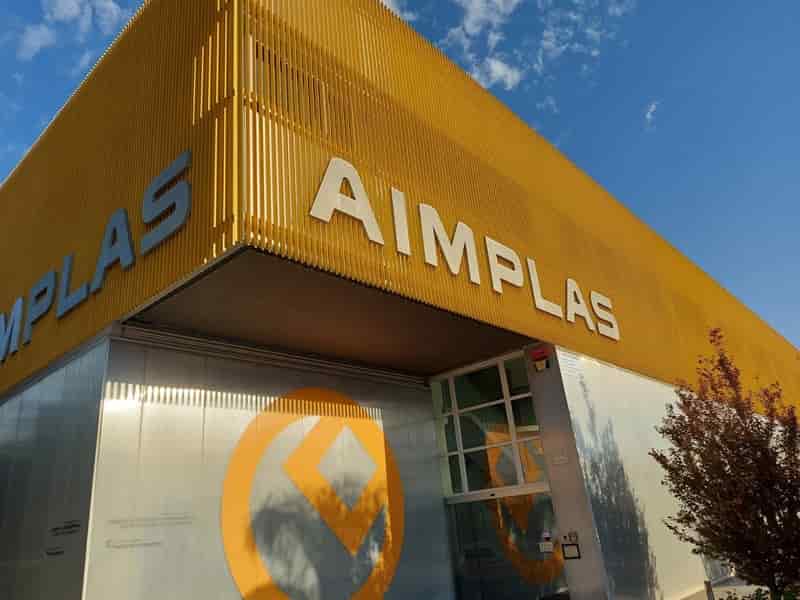
The transition toward a circular plastics economy is one of the most pressing industrial and environmental challenges facing Europe today. Against a backdrop of tightening regulations, rising sustainability expectations, and increasing material complexity, innovation in recycling technologies has become essential. In this context, AIMPLAS is set to play a leading role at PRS Europe 2026, where it will present its cutting-edge solutions designed to transform plastic waste into valuable resources.
Taking place on 5–6 May 2026 at RAI Amsterdam in Amsterdam, PRS Europe is widely recognized as the largest event dedicated to plastics recycling globally. The exhibition and conference will bring together more than 500 exhibitors and thousands of professionals from across the value chain, offering a unique platform to explore technological advancements, policy developments, and market trends shaping the future of plastics recycling.
A Strategic Industry Platform
Now in its tenth edition, PRS Europe has evolved into a cornerstone event for the recycling industry. It connects stakeholders including recyclers, machinery manufacturers, waste management companies, brand owners, and policymakers. The event also hosts a comprehensive conference featuring over 70 speakers addressing topics such as innovation, regulation, and circular economy strategies.
The importance of such a platform cannot be overstated. The European plastics sector is currently navigating a complex landscape marked by regulatory changes, economic pressures, and the urgent need to increase recycling capacity. Industry experts emphasize that collaboration and innovation are essential to achieving circularity targets and maintaining competitiveness.
Within this dynamic environment, AIMPLAS’s participation reflects its commitment to advancing sustainable solutions and supporting the industry’s transformation.
From Waste to Value: A Multi-Technology Approach
At stand L74, AIMPLAS will demonstrate a comprehensive portfolio of recycling technologies designed to address the diverse and complex nature of plastic waste streams. A central message of its exhibition is that there is no universal solution for recycling plastics. Instead, the optimal approach depends on factors such as material composition, origin, contamination level, and intended application.
To tackle this complexity, AIMPLAS has developed a range of complementary technological routes:
Advanced Sorting and Identification
Efficient recycling begins with accurate waste separation. AIMPLAS employs advanced sorting technologies such as near-infrared (NIR) systems, artificial vision, density-based separation, airflow techniques, and electrostatic or triboelectric processes. These tools enable precise identification and classification of materials, ensuring that downstream recycling processes are more effective.
Sorting innovations are particularly critical as waste streams become increasingly heterogeneous, especially with the rise of multilayer packaging and composite materials.
Solvent-Based Recycling
For complex materials that are difficult to process mechanically, AIMPLAS utilizes solvent-based recycling techniques. These involve the use of solvents and supercritical fluids to selectively dissolve and separate polymer layers, allowing for the recovery of high-purity materials.
This approach is especially valuable for multilayer plastics commonly used in packaging, where traditional recycling methods often fail to preserve material quality.
Chemical Recycling: Solvolysis, Pyrolysis, and Gasification
Chemical recycling technologies represent another key pillar of AIMPLAS’s portfolio. Through processes such as solvolysis, pyrolysis, and gasification, plastic waste can be broken down into monomers, oligomers, or even converted into fuels and chemical feedstocks.
These methods enable the recovery of valuable components from waste that would otherwise be incinerated or landfilled, contributing to resource efficiency and reducing environmental impact.
Chemical recycling is increasingly recognized as a complementary solution to mechanical recycling, particularly for contaminated or mixed plastic streams.
Enzymatic Recycling: A Breakthrough Innovation
Among the most innovative solutions presented by AIMPLAS is enzymatic recycling. This emerging technology uses enzymes to selectively break down polymers such as PET (polyethylene terephthalate) and PLA (polylactic acid).
Unlike conventional methods, enzymatic recycling operates under mild conditions and allows for precise depolymerization, enabling the recovery of high-quality raw materials or the separation of complex structures.
This approach holds significant promise for improving the recyclability of bioplastics and enhancing sustainability across multiple sectors.
De-Crosslinking of Challenging Materials
Crosslinked polymers, such as elastomers, rubbers, and materials like EVA (ethylene-vinyl acetate), have historically been difficult to recycle due to their chemical structure. AIMPLAS addresses this challenge through de-crosslinking technologies that enable the recovery and reuse of these materials.
This capability expands recycling possibilities for industries such as automotive, construction, and footwear, where such materials are widely used.
Upcycling for High-Value Applications
Beyond traditional recycling, AIMPLAS focuses on upcycling—transforming waste into materials with enhanced properties and higher market value. This approach aligns with circular economy principles by not only reducing waste but also creating new economic opportunities.
Applications include advanced composites, fibers, and materials tailored for high-performance sectors.
Process Simulation and Techno-Economic Analysis
AIMPLAS also emphasizes the importance of process simulation and techno-economic analysis. By evaluating the feasibility and scalability of recycling technologies before industrial implementation, the organization helps companies make informed decisions and optimize resource allocation.
This analytical approach is critical in ensuring that recycling solutions are not only technically viable but also economically sustainable.
Applications Across Multiple Sectors
The versatility of AIMPLAS’s technologies is reflected in their application across a wide range of industries. These include automotive, packaging, textiles, construction, renewable energy, electronics, sports, and even marine litter recovery.
Such diversity highlights the growing need for adaptable recycling solutions capable of addressing sector-specific challenges. As plastic usage continues to expand globally, the ability to manage waste effectively across different applications becomes increasingly important.
Safe and Sustainable by Design (SSbD)
AIMPLAS integrates its technological developments within the Safe and Sustainable by Design (SSbD) framework. This methodology combines life cycle assessment (LCA), life cycle costing (LCC), social life cycle assessment (sLCA), and health and safety evaluations.
By adopting this holistic approach, AIMPLAS ensures that its solutions deliver not only technical performance but also environmental, economic, and social benefits.
This is particularly relevant in the European context, where regulatory frameworks such as the Packaging and Packaging Waste Regulation (PPWR) are driving the adoption of sustainable practices and mandating recyclability requirements.
Contributing to the Technical Programme
In addition to its exhibition activities, AIMPLAS will actively participate in the PRS Europe 2026 conference programme. Vanessa Gutiérrez Aragonés, a researcher specializing in mechanical recycling, will deliver a presentation titled “Backstage of recyclability testing: scientific aspects and key results.”
Scheduled for 5 May from 12:45 to 13:30 at Conference Theater One, the presentation will explore the scientific principles behind recyclability testing and provide insights into key findings from AIMPLAS’s research.
This contribution underscores the organization’s role not only as a technology provider but also as a knowledge leader within the recycling community.
Addressing Industry Challenges
The innovations presented by AIMPLAS come at a critical time for the European plastics industry. Despite significant progress, the sector faces ongoing challenges, including fluctuating market conditions, competition from virgin materials, and the need to meet ambitious recycling targets.
Recent analyses indicate that achieving circular economy goals will require improved collection systems, enhanced sorting technologies, and increased availability of high-quality recycled materials.
Events like PRS Europe play a crucial role in addressing these challenges by fostering collaboration, sharing best practices, and showcasing innovative solutions.
The Future of Plastics Recycling
Looking ahead, the future of plastics recycling will depend on the integration of multiple technologies, the adoption of digital tools such as artificial intelligence, and the alignment of industry practices with regulatory frameworks.
PRS Europe 2026 reflects this evolution, with features such as the AI Innovation Hub demonstrating how digitalization is transforming recycling processes—from material identification to process optimization.
In this evolving landscape, AIMPLAS’s multi-technology approach positions it as a key player in driving the transition toward a more sustainable and circular plastics economy.
Conclusion
AIMPLAS’s participation in PRS Europe 2026 highlights the critical role of innovation in addressing the challenges of plastic waste management. By showcasing a diverse portfolio of technologies—from advanced sorting and chemical recycling to enzymatic processes and upcycling—the organization demonstrates that a flexible, integrated approach is essential for achieving circularity.
As the plastics recycling industry continues to evolve, collaboration, research, and technological advancement will be fundamental to building a more sustainable future. Through its contributions at PRS Europe, AIMPLAS not only reinforces its leadership in the field but also helps shape the direction of the industry as a whole.
More….