Japan Resumes Russian Oil Imports Amid Global Energy Crisis and Middle East Disruptions
Japan Russian crude oil imports
Japan Turns to Russian Crude Amid Global Energy Strains and Geopolitical Uncertainty
Japan’s decision to resume imports of Russian crude oil highlights the increasingly complex and fragile state of global energy markets. As geopolitical tensions intensify and supply routes face disruption, the move underscores the difficult choices confronting energy-dependent nations. For Japan—one of the world’s largest importers of fossil fuels—ensuring a stable and affordable energy supply has become an urgent priority, even when it requires navigating politically sensitive terrain.
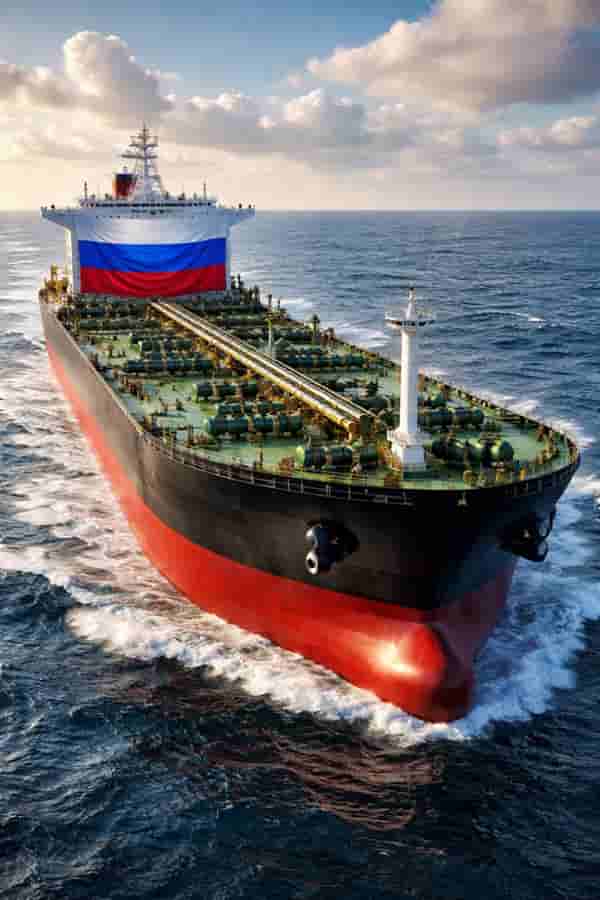
The shipment in question originates from Russia’s Far East and is tied to the Sakhalin-2 project, a long-standing oil and liquefied natural gas (LNG) development. A tanker carrying the crude departed Sakhalin in late April and is expected to arrive in Ehime Prefecture in western Japan. The cargo was purchased by Taiyo Oil Co., a domestic wholesaler, marking Japan’s first such import of Russian crude in recent months amid escalating global instability.
This development comes at a time when the global energy system is under immense pressure. The ongoing repercussions of the Russia-Ukraine war, which began in 2022, continue to reverberate through oil and gas markets. Western nations, led by the United States and European Union, imposed sweeping sanctions on Russian energy exports in response to the conflict. These measures aimed to curb Russia’s revenue streams while reshaping global energy flows. However, they have also contributed to tighter supplies and higher prices, particularly for countries heavily reliant on imports.
Japan, while aligned with Western sanctions, has maintained a more nuanced approach in certain areas. Notably, the Sakhalin-2 project has been granted exemptions from some sanctions due to its strategic importance. Japanese companies Mitsubishi Corporation and Mitsui & Co. hold significant stakes in the project, which supplies a substantial portion of Japan’s LNG needs. The continuation of this partnership reflects Tokyo’s recognition that a sudden withdrawal could jeopardize its energy security.
The latest oil shipment falls within this broader context of pragmatic policymaking. While Japan has reduced its reliance on Russian energy overall, it has not severed ties completely. Instead, it has sought to balance its commitments to international sanctions with the practical realities of ensuring stable supply. This balancing act has become increasingly difficult as new crises emerge.
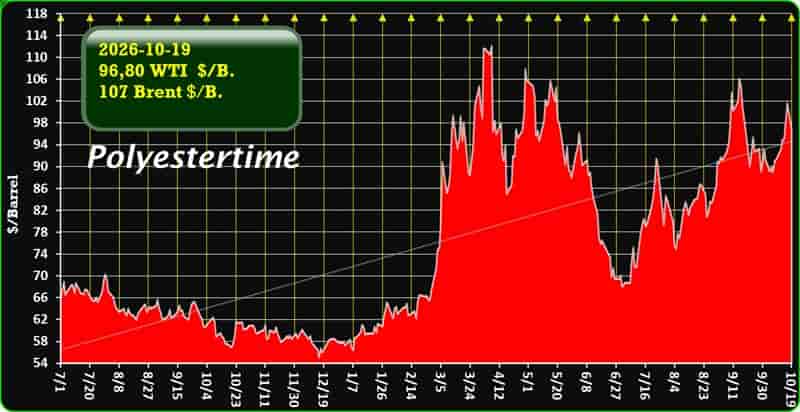
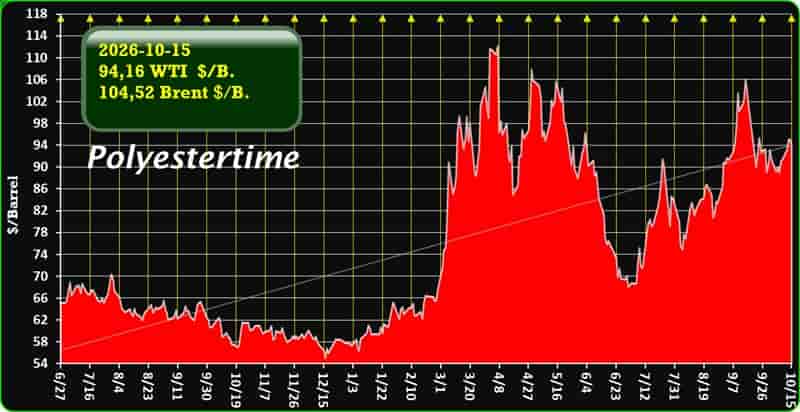
One of the most significant recent developments affecting global energy markets is the escalation of tensions in the Middle East. In late February, a conflict involving Iran led to the closure of the Strait of Hormuz, one of the world’s most critical maritime chokepoints. Roughly one-fifth of global oil and LNG shipments pass through this narrow waterway, making it indispensable to international energy trade.
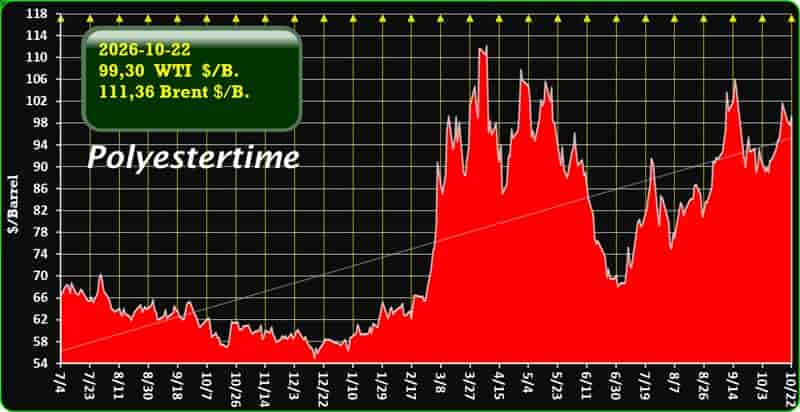
The disruption of traffic through the Strait of Hormuz has had immediate and far-reaching consequences. Shipping routes have been constrained, insurance costs have surged, and energy prices have experienced renewed volatility. Although a ceasefire is currently in place, maritime traffic remains heavily restricted, limiting the flow of crucial resources.
Compounding the situation, the United States has imposed a blockade on Iranian ports, further tightening supply chains. Together, these developments have created a perfect storm for energy-importing nations, particularly in Asia. Countries such as Japan, South Korea, and India, which rely heavily on imported oil and gas, have been forced to reassess their procurement strategies.
For Japan, the stakes are especially high. The country imports nearly all of its fossil fuel needs, making it highly vulnerable to external shocks. Since the Fukushima nuclear disaster in 2011, Japan has relied even more heavily on imported hydrocarbons to meet its energy demands. While efforts have been made to diversify sources and invest in renewable energy, fossil fuels remain a cornerstone of the nation’s energy mix.
In this context, the decision to purchase Russian crude can be seen as a strategic necessity rather than a political statement. The Sakhalin-2 project offers several advantages: geographic proximity, established infrastructure, and relatively stable production. These factors make it an attractive option at a time when other supply routes are uncertain or disrupted.
Nevertheless, the move is not without controversy. Critics argue that continued engagement with Russian energy projects undermines the effectiveness of international sanctions and sends mixed signals about Japan’s foreign policy stance. There are also concerns about overreliance on a supplier that has become increasingly isolated on the global stage.
Supporters, however, contend that energy security must take precedence in times of crisis. They point out that the exemptions granted to Sakhalin-2 were designed precisely to address such scenarios. By maintaining access to this resource, Japan can mitigate the risk of severe shortages and price spikes that could have broader economic repercussions.
Indeed, the economic implications of energy instability are significant. Rising fuel costs can drive inflation, increase production expenses, and dampen consumer spending. For an economy like Japan’s, which has struggled with slow growth and deflationary pressures for decades, such shocks can be particularly damaging.
The situation also highlights the interconnected nature of global energy markets. Disruptions in one region can quickly ripple across the world, affecting supply, demand, and pricing dynamics. The closure of the Strait of Hormuz, for example, has implications not only for Middle Eastern producers but also for consumers thousands of miles away.
In response to these challenges, Japan has been pursuing a multi-pronged strategy. This includes diversifying its energy sources, increasing strategic reserves, and investing in alternative technologies such as hydrogen and renewable energy. At the same time, it continues to engage with traditional suppliers to ensure short-term stability.
The resumption of Russian crude imports should be viewed within this broader framework. It is one piece of a complex puzzle, reflecting the trade-offs and compromises that define energy policy in an uncertain world. As long as global markets remain volatile, such decisions are likely to continue.
Looking ahead, the future of Japan’s energy strategy will depend on several factors. The trajectory of geopolitical conflicts, the evolution of sanctions regimes, and the pace of technological innovation will all play a role. In particular, the resolution—or escalation—of tensions in the Middle East could have profound implications for global supply chains.
At the same time, the transition to cleaner energy sources remains a long-term priority. Japan has committed to achieving carbon neutrality by 2050, a goal that will require significant changes to its energy infrastructure. While fossil fuels will remain important in the near term, their role is expected to diminish over time.
In the interim, however, ensuring reliable access to energy will remain a central concern. The decision to purchase Russian crude oil illustrates the pragmatic approach that Japan is likely to adopt as it navigates this challenging landscape. It also serves as a reminder that energy policy is often shaped as much by necessity as by principle.
Ultimately, Japan’s actions reflect a broader reality facing many countries today: the need to balance geopolitical considerations with economic and energy security imperatives. As the global energy crisis continues to unfold, such balancing acts will become increasingly common, shaping the future of international relations and energy markets alike.
Oil, War, and Power: How the Strait of Hormuz Crisis Is Reshaping the Global Order
More…