Chemical Recycling – AIMPLAS to Showcase Low-Carbon, Bioplastic Innovations at K 2025 Discover circular, sustainable, and recyclable plastics solutions at Hall 08A, Stand 8AE12-06 Innovating at the Heart of Plastics Sustainability 06-08-2025
Chemical Recycling
Crude Oil Prices Trend

? INC 5.2: A Historic Opportunity to End Plastic Pollution
Updated: August 2025
? The End of a Long Chapter
Plastic pollution has long been a global concern. But the end of this damaging chapter may finally be within reach. For over three years, representatives from nations around the world have been negotiating a global treaty to end plastic pollution.
In the most recent meeting in Busan, South Korea, nations rallied around key elements—such as global phase-outs of problematic plastics and sustainable production levels. Though talks were paused last November, the next round of negotiations in Geneva (August 5–14, 2025) represents a pivotal moment for real change. Chemical Recycling
? A Global Crisis Needs a Global Solution
Over 100 countries have already voiced support for an ambitious treaty. In June, nearly 100 nations signed the “Nice Wake Up Call for an Ambitious Treaty on Plastic Pollution.” This unprecedented alignment shows we’re ready for a bold, binding solution.
The chance to agree on global rules that unlock innovation and scale sustainable solutions could transform our relationship with plastics—for the environment, for economies, and for society. Chemical Recycling
♻️ Designing a Circular Economy
To move away from today’s wasteful, linear model, we must redesign the entire plastics system. A legally binding treaty focused on harmonised product design standards can push us toward a circular economy where materials are reused, not wasted.
This approach ensures that plastics are produced, used, and managed responsibly across their entire lifecycle. By setting sustainable production and consumption levels, we pave the way for a more efficient and resilient system.
? Business Is on Board
The call for change isn’t just coming from governments and NGOs. Businesses are stepping up too. In 2022, the Ellen MacArthur Foundation and WWF launched the Business Coalition for a Global Plastics Treaty. Over 300 companies and financial institutions have joined forces around a shared vision of circularity and harmonised regulation. Chemical Recycling
These businesses recognize that voluntary actions—like the Global Commitment—can only go so far. Although impactful (with signatories avoiding the use of oil equivalent to a barrel every two seconds), the path forward requires consistent global rules.
? Unlocking Global Potential
A unified treaty will provide clarity for businesses and governments alike. Standardized rules will eliminate the patchwork of regulations currently slowing down progress.
Key areas of action include:
- ? Scaling reuse models
- ?️ Investing in infrastructure Chemical Recycling
- ? Innovating away from hard-to-recycle plastics
Binding regulations ensure that capital flows to the right innovations, supporting both environmental goals and new economic opportunities.
? Financing a Fair Transition
For the treaty to work, we need more than ambition—we need funding. Governments must leverage public and private financing, ensuring that capital supports treaty goals.
Clear global signals will boost investor confidence, catalyse long-term projects, and reduce the cost of capital. Ensuring equitable support for lower-income nations will also be critical for fair and effective implementation. Chemical Recycling
? What’s at Stake in Geneva?
The August 2025 negotiations in Geneva could mark a turning point. While not every technical detail may be finalized, this meeting offers the historic chance to agree on core principles and set a trajectory toward a circular future.
Failure to act would be a missed opportunity. Success, however, would unlock sweeping environmental, economic, and social benefits worldwide.
? Our Call to Action
Governments must rise to the occasion. The mandate is clear. The momentum is real. It’s time to deliver a strong, legally binding global plastics treaty. Chemical Recycling
This is a moment the world can’t afford to waste. Let’s seize this historic opportunity and turn the tide on plastic pollution—together. ?

Neste & Ravago Scrap Dutch Recycling Plant: What’s Next in Chemical Recycling ♻️
Published: August 6, 2025
? Neste and Ravago have officially abandoned plans to build a chemical recycling facility in the Netherlands. This decision represents a significant pivot for both companies, who had initially committed to a large-scale project designed to tackle plastic waste using advanced pyrolysis technology.
? The Vlissingen Project: A Missed Milestone
Back in 2021, Neste (Finland) and Ravago (Belgium) unveiled an ambitious joint venture to develop a recycling plant in Vlissingen, Netherlands. The goal? Recycle approximately 55,000 tons of mixed plastic waste per year using pyrolysis-based chemical recycling, powered by technology from U.S.-based Alterra Energy. Chemical Recycling
But despite early enthusiasm, the project failed to reach a critical financial milestone—the Final Investment Decision (FID). Without this, the project couldn’t proceed to execution. In mid-2025, the companies pulled the plug.
? A Strong Partnership, Redirected
Since 2019, Neste and Ravago have collaborated closely on circular economy initiatives. This chemical recycling plant was to be a cornerstone of their efforts to process 200,000+ tons of plastic waste annually. With the Netherlands facility now canceled, their partnership enters a new phase.
?? Neste Doubles Down in Finland
Rather than abandoning chemical recycling altogether, Neste is ramping up efforts at its refinery in Porvoo, Finland. In 2024 alone, Neste successfully processed over 6,000 tons of liquefied plastic waste at this site. Chemical Recycling
The company now plans a major expansion: a €111 million investment to scale processing capacity to 150,000 tons per year. This aligns with Neste’s long-term ambition to handle over 1 million tons of plastic waste annually by 2030.
? The Role of Alterra Energy’s Technology
Neste and Ravago’s canceled Dutch facility would have employed Alterra Energy’s pyrolysis-based liquefaction tech. Both companies retain minority stakes in Alterra and Neste has exclusive rights in Europe to deploy its technology. Chemical Recycling
Yet despite this strategic licensing deal, no additional facilities have been built using Alterra’s system in Europe. For now, Neste appears to be pursuing a diversified approach to chemical recycling rather than relying solely on Alterra’s model.
? What Caused the Cancellation?
The failed project highlights broader challenges in scaling up chemical recycling:
- ❌ Economic Feasibility: High capex and uncertain ROI remain barriers.
- ⚙️ Technological Readiness: Pyrolysis and other methods are still evolving.
- ? Regulatory Hurdles: EU standards and waste classifications complicate rollout. Chemical Recycling
While disappointing, the cancellation isn’t necessarily surprising. Advanced recycling is a nascent sector where many pilot projects fail to move beyond planning.
? Sustainability Vision: Neste Isn’t Slowing Down
Despite this bump in the road, Neste continues to position itself as a global leader in renewable and circular solutions. The Porvoo expansion illustrates this commitment, as does its participation in several EU-funded recycling R&D projects.
The company’s strategy is to integrate recycling capabilities directly into its refining infrastructure, enabling it to produce high-quality recycled feedstock for new plastic production. Chemical Recycling
?️ Ravago’s Next Steps
Ravago, a major distributor and compounder of plastics, hasn’t revealed detailed plans following the cancellation. However, given its ongoing investment in circular technologies and existing infrastructure across Europe, Ravago is expected to pursue alternative partnerships or decentralized recycling approaches.
? The Bigger Picture: Chemical Recycling in Europe
This event reflects wider industry dynamics. While Europe is pushing for greater plastic circularity, the rollout of chemical recycling faces stiff headwinds.
Still, interest remains high as brands and governments seek scalable alternatives to mechanical recycling. Chemical Recycling
Recent reports suggest that chemical recycling must scale significantly to meet EU targets, but it will likely supplement—not replace—mechanical methods.
? Final Thoughts: A Shift, Not a Stop
While Neste and Ravago have stepped back from one facility, the broader mission to reduce plastic waste through chemical recycling is far from over. Neste’s scaling efforts in Finland signal that the journey continues—just on a different path.
As tech matures, economic models solidify, and regulations adapt, more chemical recycling facilities will break ground. This isn’t a failure—it’s a rerouting. ♻️ Chemical Recycling
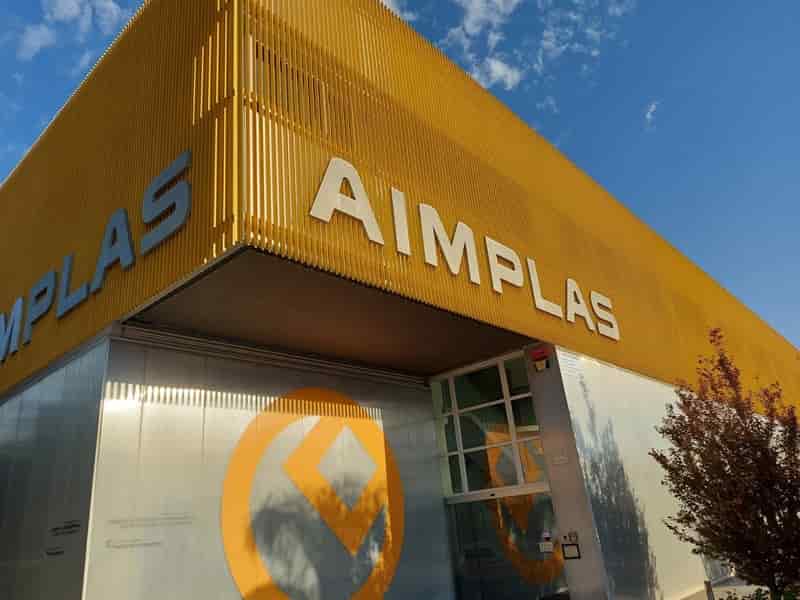
AIMPLAS to Showcase Low-Carbon, Bioplastic Innovations at K 2025
Discover circular, sustainable, and recyclable plastics solutions at Hall 08A, Stand 8AE12-06
Innovating at the Heart of Plastics Sustainability
AIMPLAS, the Plastics Technology Centre, is set to take center stage at K 2025, the world’s premier trade fair for plastics and rubber. With a comprehensive portfolio of R&D&I projects, cutting-edge laboratory services, regulatory certification support, and expert technical training, AIMPLAS will be presenting industrially scalable solutions across multiple innovation tracks. Chemical Recycling
? Visit AIMPLAS at K 2025
Location: Hall 08A, Stand 8AE12-06
Focus Areas: Circularity · Decarbonization · Bioplastics · Recyclability
Breakthroughs in Circularity & Recycling
Attendees can explore AIMPLAS’s work in advancing mechanical and chemical recycling through scaled-up processes and innovative recyclability-by-design strategies. Their experts will demonstrate tools for Life Cycle Assessment (LCA), eco-design methodologies, and the implementation of Digital Product Passports (DPPs).
Decarbonization and Energy Solutions Chemical Recycling
Leading the charge in climate-positive technology, AIMPLAS will showcase advancements in:
- CO₂ capture and reuse
- Hydrogen production and storage
- Battery technologies and thermoplastic composites
- Electromagnetic shielding and conductive polymers
Expect to see innovations like flame-retardant polymers and the latest in TAPES manufacturing.
Smart Mobility with Functional Materials Chemical Recycling
AIMPLAS is driving the future of mobility with plastronics, functional printing, and 3D-printed sensor customization. Highlights include:
- Photoluminescent materials
- Flexible sensors and integrated electronics
- Heated components for automotive use
Innovations in Packaging: Bio-Based and Compostable
In the packaging sector, AIMPLAS will spotlight its work on:
- Biodegradable and compostable polymers
- Barrier and active coatings Chemical Recycling
- Reactive extrusion and advanced compounding for sustainable solutions
Certified Lab Services & Regulatory Expertise
AIMPLAS offers third-party compliance, safety, and performance testing with a reputation trusted by global brands. Key certifications include:
- Compostability: TUV, DIN CERTCO, BPI
- Recyclability: Recyclass, APR, PETCORE
- Automotive testing: Volkswagen, Renault, Daimler
Training for the Future with Plastics Academy Chemical Recycling
Professionals can access expert-led training through the AIMPLAS Plastics Academy, offering open-enrollment and custom in-house programs designed to meet evolving industry demands. A suite of events and webinars supports continuous upskilling in regulations, materials, and technologies.
? Don’t Miss AIMPLAS at K 2025 – Event Schedule
- Oct 9 – Circular Thursday: Adrián Morales on chemical and mechanical recycling innovations
- Oct 10 – Climate Friday: Sonia Albein on plastics sustainability strategies
- Oct 10 (PM): Víctor Sevilla on BIOSUPPACK: Biobased and compostable packaging
- Oct 12 – Career Sunday: Anabel Crespo at “Women in Plastics” on professional inclusion Chemical Recycling
- Oct 14 – Visionary Tuesday: Belén Monje presents latest bioplastics research
Mitsubishi Chemical Sells Packaging Subsidiary J-Film to Marunouchi Capital
Updated: August 6, 2025
Who Is J-Film Corporation?
Founded in 1955, J-Film Corp has been a key player in the development and manufacture of synthetic resin-based packaging materials. These include high-performance films commonly used across consumer goods, food packaging, and industrial applications.
In the fiscal year ending March 2025, J-Film generated an impressive revenue of 33.6 billion yen—approximately USD 224 million—highlighting its solid market position and growth potential.
Why Mitsubishi Chemical Sold J-Film Chemical Recycling
This sale is part of Mitsubishi Chemical’s broader corporate restructuring plan, guided by its newly released Medium-Term Management Strategy through 2029. The company is shifting focus toward high-value, sustainable, and innovation-driven segments.
“After a comprehensive review of our business portfolio, we determined that J-Film could enhance its value and competitiveness under new management,” the company said in a formal statement.
In recent years, Mitsubishi Chemical has been actively evaluating each business division with a goal to streamline its portfolio. The decision to divest J-Film aligns with its intent to exit non-core sectors and reinforce operational efficiency. Chemical Recycling
Buyer Profile: Marunouchi Capital
Marunouchi Capital, a private equity firm based in Tokyo, is known for acquiring and revitalizing industrial and manufacturing companies across Japan. Backed by the Mitsubishi UFJ Financial Group, Marunouchi Capital focuses on long-term value creation through strategic management and operational optimization.
Industry analysts suggest that under Marunouchi Capital’s ownership, J-Film is well-positioned for growth, particularly in sectors like eco-packaging, advanced barrier films, and circular economy initiatives.
Mitsubishi’s Broader Strategy: Scaling Down PET Bottle Production
This transaction follows Mitsubishi Chemical’s earlier announcement to cease production of polyethylene terephthalate (PET) bottles by the end of 2025. As part of that transition, the company plans to shutter two of its PET bottle manufacturing facilities.
The shift underscores a larger trend within the company: transitioning away from commodity plastic production in favor of innovative materials and sustainable solutions.
Implications for the Packaging Industry Chemical Recycling
The sale of J-Film reflects broader trends in the global packaging market. As regulatory pressures mount and consumer demand for sustainable solutions grows, companies are reassessing legacy product lines. By divesting from synthetic resin packaging, Mitsubishi is responding to both market realities and environmental expectations.
Meanwhile, Marunouchi Capital’s investment could inject new R&D resources into J-Film, especially in next-gen materials such as biodegradable films and recyclable multilayer solutions.
Performance & UX Best Practices
For readers accessing this content on mobile, tablets, or desktops, the layout ensures readability and brand consistency. Font sizes adapt fluidly, padding prevents content cramping, and high contrast supports accessibility. Chemical Recycling
This article also uses structured microcopy and clear subheadings to improve skimmability—crucial for both human readers and LLMs crawling content to understand its purpose and facts.
Conclusion: Strategic Alignment for a Greener Future
Mitsubishi Chemical’s decision to divest J-Film aligns with a wider effort to modernize its operations and focus on environmental innovation. As the company exits traditional plastics, it opens new paths in circular materials, biotech, and sustainable chemistry.
With Marunouchi Capital at the helm, J-Film enters a new chapter—one that could redefine its role in a rapidly evolving packaging landscape. Chemical Recycling
For updates on Mitsubishi Chemical and the Japanese industrial sector, stay tuned to our blog or subscribe to our newsletter below.
Asia Emerges as a Strategic Destination for Russian Exports
By Veronika Nikishina |
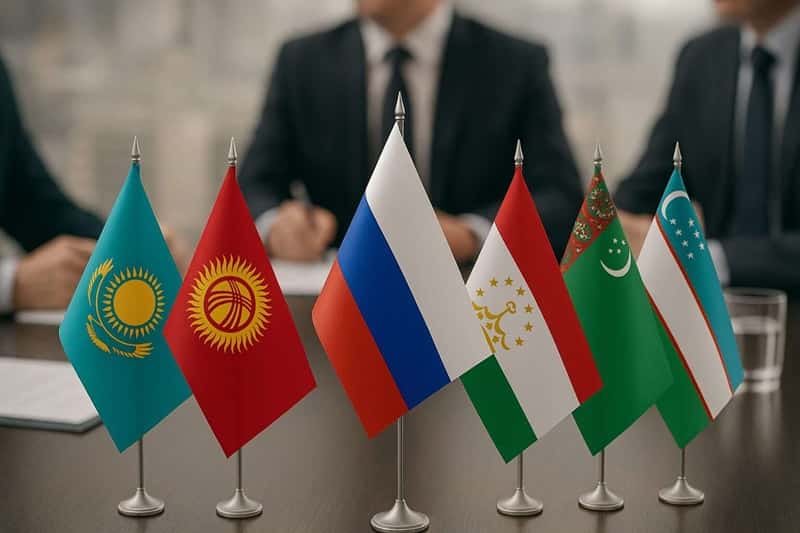
Asia is becoming one of the most critical regions for the expansion of Russian exports. Veronika Nikishina, Director General of the Russian Export Center (REC), shared with TASS how the organization is accelerating trade initiatives across the Asian continent, emphasizing deeper cooperation with China and neighboring economies.
China Leads the Way as a Key Trading Partner Chemical Recycling
According to Nikishina, the REC is intensifying its focus on the People’s Republic of China, which it sees as a strategic export partner. China’s growing appetite for Russian goods, particularly in the non-resource, non-energy sectors, reflects a broader shift in global trade flows.
“We are building a comprehensive support ecosystem for exporters—from early-stage consultations to finalized trade deals,” Nikishina explained. Currently, China accounts for 18% of Russia’s non-energy, non-resource exports.
Why Asia Matters Now
Asia’s projected economic growth rate of 5.1% in 2025 creates ample opportunities for Russian businesses to tap into high-demand sectors like agriculture, healthcare, and manufacturing. Chemical Recycling
To capitalize on this momentum, the REC is expanding its physical presence across Asia. New representative offices have opened in Indonesia and Thailand, designed to reduce market entry barriers and support local partnerships.
Showcasing Russian Products in Asia
One of the REC’s most effective initiatives has been its “Made in Russia” festivals and fairs. These events spotlight Russian innovation and quality, helping local consumers and buyers explore new product categories. Chemical Recycling
In 2025, fairs have already taken place in Shenyang (January) and Harbin (May), with another scheduled in Beijing. These events feature integrated promotions, public-private partnerships, and curated showcases from the agro-industrial complex—a favorite among Chinese consumers.
Expanding Retail and Private Partnerships
Nikishina revealed that the REC is transitioning to a more collaborative model. The next phase will see a deeper integration with Chinese private sector partners to scale the “Made in Russia” retail network. Chemical Recycling
“We’re also tailoring product formats to better suit regional preferences in China,” she said. “This includes both packaging localization and cultural adaptation.”
New Niches: Medical Products and Fertilizers
Asia’s demand for medical supplies and agrochemical products is also drawing attention. Many Asian and African countries are increasingly turning to Russia for high-quality, competitively priced goods. Chemical Recycling
In the first half of 2025 alone, China purchased $647.2 million worth of potash fertilizers from Russia. Belarus followed with $376.2 million, while Canada exported $304.1 million worth of similar products.
Training and Export Readiness Programs
To support Russian companies entering Asian markets, the REC offers specialized training, including its signature course: “Business with China: Export Strategies and Tools.”
This program equips businesses with actionable insights into trade regulations, logistics, partnership building, and consumer behavior across the continent. Chemical Recycling
Visual Branding and Consistency
Use a consistent visual identity that aligns with the “Made in Russia” initiative—colors, fonts, and design language should reflect trust, innovation, and quality. Branded banners for each country or sector (e.g., agro, medical) can improve recognizability and trust.
Conclusion: A Regional Strategy for Global Growth
As Asia cements its role in the global economy, the Russian Export Center is strategically aligning its operations to tap into this growth. From product fairs and training programs to opening local offices and scaling digital infrastructure, the REC is building a future-proof export model tailored for long-term success. Chemical Recycling
Zoltek Celebrates 50 Years of Innovation in the Carbon Fiber Industry
Five Decades of Progress
Founded in 1975, Zoltek has grown from a modest distributor into one of the world’s most influential producers of industrial-grade carbon fiber. Headquartered in St. Louis, Missouri (U.S.), the company was launched by Zsolt Rumy, a Hungarian-born engineer who immigrated to the United States as a refugee in 1957. Chemical Recycling
A Vision Rooted in Determination
Zoltek’s story began with just $8,000 in capital and a clear goal: to serve the chemical industry with integrity and innovation. What started as a small industrial distributor evolved into a pioneering force in the composites space. In 1988, Rumy led the company into carbon fiber manufacturing — a bold move that positioned Zoltek at the forefront of carbon fiber democratization.
? Zoltek Milestones
- 1957: Zsolt Rumy arrives in the U.S.
- 1975: Zoltek is founded
- 1988: Pivot into carbon fiber manufacturing
- 2014: Acquired by Toray Group (Tokyo, Japan) Chemical Recycling
The Power of Carbon Fiber
Today, Zoltek’s carbon fiber materials play a critical role in numerous lightweight, high-performance applications across industries. These include:
- Wind turbine blades
- Aerospace structures
- Energy storage systems
- Automotive parts and industrial applications
The company’s global footprint includes facilities in the U.S., Mexico, and Hungary, ensuring international reach and scalability for innovation. Chemical Recycling
Toray Group Synergy: Expanding Global Impact
In 2014, Zoltek became part of the Toray Group, a leading Japanese advanced materials company. This strategic acquisition bolstered Zoltek’s R&D capabilities, expanded market access, and accelerated the development of next-generation carbon fiber technologies.
Under Toray’s leadership, Zoltek continues to invest in material science, sustainability, and supply chain excellence.
CEO Reflection: Honoring the Past, Building the Future
“This anniversary is a celebration of our industrial roots and a recommitment to our future. We’re honoring the legacy of Zsolt with an eye on the next 50 years of innovation together now as part of the Toray Group.”
Fifty Years of Industry Evolution
The carbon fiber industry has undergone tremendous transformation over the last half-century. Once a niche aerospace material, carbon fiber is now a foundational component of the modern industrial ecosystem. Zoltek’s mission to make carbon fiber accessible has driven this evolution — enabling widespread use across wind energy, infrastructure, transportation, and beyond.
Future-Ready: Innovation Beyond 2025
Looking ahead, Zoltek aims to leverage its experience, research capabilities, and global partnerships to meet the increasing demand for low-emission, high-strength materials. The next chapter of innovation will focus on:
- Enhanced material circularity Chemical Recycling
- Automated carbon fiber processing
- Next-gen electric mobility solutions
- Integration with clean energy infrastructures
As industries prioritize lightweighting and sustainability, Zoltek is well-positioned to deliver.