2 New Pyrolysis Plants Boost Jobs And Sustainable Recycling Growth
Tarragona and Flix Lead a New Industrial Shift
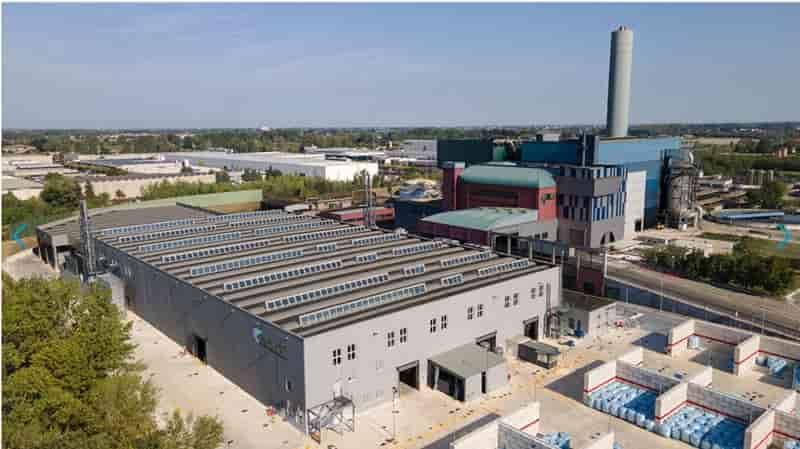
Tarragona and Flix are reinforcing their positions as key industrial centers with the arrival of two chemical recycling pyrolysis plants. These facilities represent a combined investment of more than €80 million and are expected to generate close to 100 stable jobs. Beyond employment, the initiative marks a significant step toward a more sustainable and self-sufficient industrial ecosystem.
The two projects will be operated by Greenertis in Tarragona and 2G Chemical Plastic Recycling in Flix. Together, they highlight a growing commitment to innovative waste management solutions that align with broader European sustainability goals.
What Makes Chemical Recycling Pyrolysis Plants Important
Chemical recycling pyrolysis plants use advanced thermal processes to break down waste materials at high temperatures in the absence of oxygen. Unlike traditional incineration, this method avoids combustion and instead targets the molecular structure of materials.
This process allows complex waste, especially plastics that cannot be mechanically recycled, to be transformed into valuable raw materials. By recovering the original molecular components, these plants enable the production of new plastics and other materials without relying entirely on fossil fuels.
The chemical recycling pyrolysis plants in Tarragona and Flix are designed to tackle precisely this challenge. They offer a practical solution for reducing landfill dependency and minimizing environmental pollution.
Addressing the Limits of Traditional Recycling
Mechanical recycling has long been the standard approach to managing plastic waste. However, it has limitations, particularly when dealing with mixed or contaminated materials. Many types of plastic simply cannot be processed efficiently using conventional methods.
This is where chemical recycling pyrolysis plants come into play. By converting waste into its base chemical components, they open the door to recycling materials that would otherwise be discarded. This not only reduces waste but also contributes to a more circular economy.
In Tarragona and Flix, these plants are expected to divert significant volumes of waste away from landfills and incinerators. This shift represents a meaningful improvement in how industrial and urban waste is managed.
Economic Impact and Job Creation
The economic benefits of the chemical recycling pyrolysis plants extend beyond environmental gains. The creation of nearly 100 stable jobs provides a boost to local economies and supports long-term regional development.
These roles will span various areas, including plant operations, maintenance, logistics, and research. The presence of such facilities also tends to attract related industries, further strengthening the economic landscape.
In addition, the investment of over €80 million signals strong confidence in the viability of chemical recycling as a future-proof industry. It positions Tarragona and Flix as leaders in sustainable industrial innovation.
Strategic Importance for Europe
One of the key advantages of chemical recycling pyrolysis plants is their potential to reduce dependence on imported raw materials. By converting local waste into usable resources, regions can achieve greater self-sufficiency.
This is particularly relevant in the context of global supply chain disruptions and increasing competition for resources such as oil, batteries, and microchips. Chemical recycling offers a way to secure essential materials domestically.
The Tarragona and Flix projects reflect this strategic direction. By focusing on locally sourced waste, they contribute to a more resilient and independent industrial system.
Raw Materials and Supply Challenges
The success of chemical recycling pyrolysis plants depends heavily on a consistent supply of raw materials. In this case, the plants will rely on solid waste, organic residues, and plant-based materials.
However, ensuring a steady flow of these inputs can be challenging. As recycling practices improve and waste generation patterns change, the availability of suitable materials may fluctuate.
To address this, operators will need to develop efficient collection and sorting systems. Collaboration with municipalities and waste management companies will be essential to maintain a reliable supply chain.
Energy Considerations and Sustainability
Energy use is another critical factor in the operation of chemical recycling pyrolysis plants. These facilities require significant amounts of heat to carry out the pyrolysis process.
In Tarragona and Flix, energy may come from a combination of self-generated sources and external power grids. Integrating renewable energy into this mix will be key to maximizing the environmental benefits of the plants.
By reducing reliance on fossil fuels and optimizing energy efficiency, these projects can further enhance their contribution to sustainability.
Research and Innovation Opportunities
Chemical recycling is still an evolving field with considerable room for innovation. The development of more efficient processes, improved catalysts, and better material recovery techniques remains an ongoing priority.
The chemical recycling pyrolysis plants in Tarragona and Flix provide a platform for continued research and development. Collaboration with academic institutions and research centers can accelerate progress in this area.
Advancements in this field could lead to even higher recycling rates and the ability to process a wider range of materials. This would strengthen the role of chemical recycling in the global sustainability landscape.
Moving Toward a Circular Economy
The concept of a circular economy is central to the development of chemical recycling pyrolysis plants. Instead of treating waste as a final product, this approach views it as a resource that can be reused and reintegrated into production cycles.
By recovering the मूल building blocks of materials, these plants help close the loop in manufacturing processes. This reduces the need for virgin resources and minimizes environmental impact.
In Tarragona and Flix, the adoption of this model represents a significant step forward. It demonstrates how industrial innovation can align with environmental responsibility.
Long-Term Outlook for the Industry
The establishment of chemical recycling pyrolysis plants is part of a broader trend toward sustainable industry practices. As regulations become stricter and public awareness grows, demand for effective recycling solutions is likely to increase.
These plants are well-positioned to meet that demand. Their ability to handle complex waste streams and produce high-quality raw materials gives them a competitive advantage.
Looking ahead, the success of the Tarragona and Flix projects could inspire similar initiatives in other regions. This would further expand the impact of chemical recycling on a global scale.
Why This Development Matters
The introduction of chemical recycling pyrolysis plants in Tarragona and Flix is more than just a local development. It reflects a shift in how society approaches waste, resources, and sustainability.
By combining economic growth with environmental protection, these projects offer a model for future industrial development. They show that it is possible to create jobs, reduce waste, and build a more resilient economy at the same time.
As the industry continues to evolve, the lessons learned from these plants will play an important role in shaping the future of recycling and resource management.
Pyrolysis Waste Transformation 7 Benefits of Microwave
More…