Chilsung Cider’s Bold Recycled PET Push Gains Momentum
Chilsung Cider recycled PET
Chilsung Cider’s Bold Recycled PET Push Gains Momentum
Lotte Chilsung Beverage is expanding its use of recycled plastic packaging, moving its sustainability strategy beyond its flagship Chilsung Cider recycled PET bottle and into several other major product lines.
The development comes as South Korea introduces mandatory recycled-content requirements for large beverage manufacturers. It also reflects a broader change in how established drinks brands are responding to packaging waste—not only through corporate targets, but through changes consumers can see on store shelves.
Key facts
- Chilsung Cider was launched in South Korea in 1950.
- Lotte Chilsung introduced a 500-millilitre bottle made with 100% mechanically recycled PET in October 2025.
- The percentage refers to the recycled plastic material used for the PET bottle, not necessarily every component of the finished package.
- Lotte says the packaging avoided approximately 1,300 tonnes of virgin plastic between November 2025 and June 2026.
- The company has extended recycled-material packaging to selected ICIS, Pepsi Zero Sugar Lime and Saero products.
- South Korea’s new rules require certain large beverage producers to use at least 10% recycled material in transparent PET bottles.
From a historic soda to a modern packaging test
Chilsung Cider has occupied a distinctive place in South Korea’s drinks market for more than seven decades. The lemon-lime soda has become so familiar that the Korean use of “cider” can also describe a refreshingly direct answer or the satisfying resolution of a frustrating situation.
Lotte Chilsung has protected that identity while adapting the range to changing demand. Chilsung Cider Zero, for example, was developed for consumers seeking familiar flavours with fewer calories.
Packaging has now become another important part of that evolution.
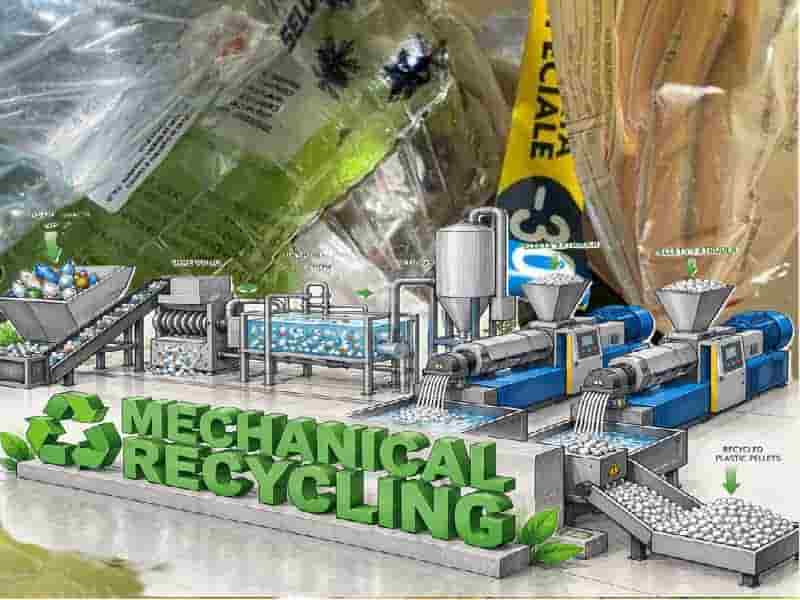
The company introduced its 500-millilitre Chilsung Cider bottle using 100% mechanically recycled PET, commonly abbreviated as MR-PET. Mechanical recycling involves collecting, sorting, washing and processing suitable PET into material that can be used again.
This differs from producing virgin PET from new fossil-based feedstock. Chilsung Cider recycled PET
Expansion reaches other major Lotte products
The packaging initiative is no longer limited to Chilsung Cider.
During the first half of 2026, Lotte Chilsung expanded 100% recycled-material packaging to selected ICIS water bottles, including 500-millilitre and two-litre formats. The company also applied it to the 500-millilitre Pepsi Zero Sugar Lime bottle and the 640-millilitre Saero bottle.
According to Lotte, using recycled resin in its Chilsung Cider bottles avoided around 1,300 tonnes of virgin plastic between November 2025 and June 2026.
That wording matters. Recycled PET packaging does not eliminate plastic or guarantee that every bottle will be recycled again. Its immediate benefit is replacing demand for newly produced plastic with material recovered from existing waste streams.
New South Korean rules raise the stakes
The expansion coincides with a significant regulatory change.
Beginning in January 2026, South Korean bottled-water and non-alcoholic beverage manufacturers using more than 5,000 tonnes of PET bottles annually must incorporate at least 10% recycled material into transparent PET bottles.
The requirement currently applies to the country’s largest producers. Government plans envisage gradually extending the system to smaller manufacturers and increasing the recycled-content target to 30% by 2030.
Against that 10% minimum, Lotte’s selected 100% recycled PET bottles represent a more ambitious product-level application. However, this does not mean that every package sold by the company contains 100% recycled material.
Consumers are part of the supply chain
Lotte Chilsung’s latest campaign concentrates on the role of consumers in producing clean recyclable material.
The advertisement depicts people separating used PET bottles at work, at school and after camping. Its central idea is that carefully sorted bottles can become raw material for future packaging.
That connection is important because recycled-content targets depend on more than packaging design. Bottles must be collected, correctly separated and processed to the standards required for food-contact applications.
Contaminated or incorrectly discarded packaging can reduce the quantity of material suitable for bottle-to-bottle recycling.
Why the environmental claim needs context
A bottle containing recycled PET should not automatically be described as completely sustainable.
Manufacturing, transportation and recycling still require energy. Caps, labels and adhesives may follow different material and recovery pathways. Recycling systems can also lose material during sorting and processing.
The more defensible conclusion is that using verified recycled PET can reduce dependence on virgin resin and support a bottle-to-bottle market. Its total environmental benefit depends on collection rates, processing efficiency, package design and whether the recovered material continues circulating.
For Lotte Chilsung, the next meaningful indicators will therefore be portfolio-wide recycled-content figures, independently supported environmental data and evidence that the packaging remains recyclable at scale.
What happens next?
Lotte Chilsung’s expansion shows how South Korea’s packaging rules are beginning to influence major consumer brands.
Chilsung Cider gives the initiative unusual visibility because of the drink’s long history and strong domestic recognition. The more important test, however, is whether recycled PET becomes a consistent standard across the company’s wider portfolio rather than a feature of selected bottle formats.
If collection quality, recycled-resin supply and transparent reporting improve together, the initiative could contribute to a stronger circular market for beverage bottles. Consumers’ sorting habits will remain one link in that system—but packaging producers and beverage companies retain responsibility for designing packages that can be recovered and reused effectively.
Frequently asked questions
What is MR-PET?
MR-PET means mechanically recycled polyethylene terephthalate. Used PET is sorted, cleaned and physically reprocessed into material suitable for new products.
Is the entire Chilsung Cider package made from recycled material?
The 100% claim concerns the recycled raw material used for the relevant PET bottle. It should not be interpreted as confirmation that every component, including the cap and label, is made entirely from recycled material.
How much virgin plastic has the initiative replaced?
Lotte Chilsung reports that its 500-millilitre Chilsung Cider recycled PET bottle avoided approximately 1,300 tonnes of virgin plastic between November 2025 and June 2026. This is a company-reported figure.
Which other products use the packaging?
Lotte has identified selected ICIS water bottles, Pepsi Zero Sugar Lime 500-millilitre bottles and Saero 640-millilitre bottles among the formats receiving 100% recycled-material packaging.
What does South Korean law require?
Covered bottled-water and non-alcoholic beverage producers using more than 5,000 tonnes of PET bottles annually must use at least 10% recycled material in transparent PET bottles from 2026.
Sources
The latest reporting was published on August 26, 2026, by Maeil Business Newspaper. Product claims were cross-checked against Lotte Chilsung Beverage’s corporate announcement, while the regulatory requirements were checked against the South Korean environment ministry.
Kurucsai Plastic Advances Recycled PET Extrusion with Gneuss MRS Technology