European plastics industry – Europe’s Plastics Industry Faces a Dire Collapse as Production Stalls, Recycling Slows and Global Competitiveness Vanishes Unless Urgent Action Is Taken 11-11-2025
European plastics industry – The Crisis Facing Europe’s Plastics Industry
The European plastics industry is sounding the alarm: production nearly flat at 54.6 million tonnes in 2024 (+0.4 %) following a steep contraction of –7.6 % in 2023. Meanwhile, Europe’s share of global plastics output has collapsed from 22 % in 2006 to just 12 % in 2024.
At the same time, turnover in the sector fell from €457 billion in 2022 to €398 billion in 2024 (–13 %). These figures make clear that the region is losing ground — both in volume and value. European plastics industry
Key Structural Headwinds
European manufacturers are battling multiple cost pressures: high energy prices, climate-related taxes and surging feedstock costs are eroding margins and driving closures. Plastics Europe+1 In recycling, demand for high-quality recycled materials is weak, imports of cheaper materials are rising, and policy frameworks remain fragmented across EU member states.
Trade pressures are mounting too: although the trade deficit in plastic polymers for the EU27 improved slightly (from -0.8 Mt in 2023 to -0.2 Mt in 2024), the region remains exposed to shifting global tariff regimes and heavy dependence on imports (for example U.S. imports account for 18.9 % of the market).
Recycling and Circularity Are Being Left Behind
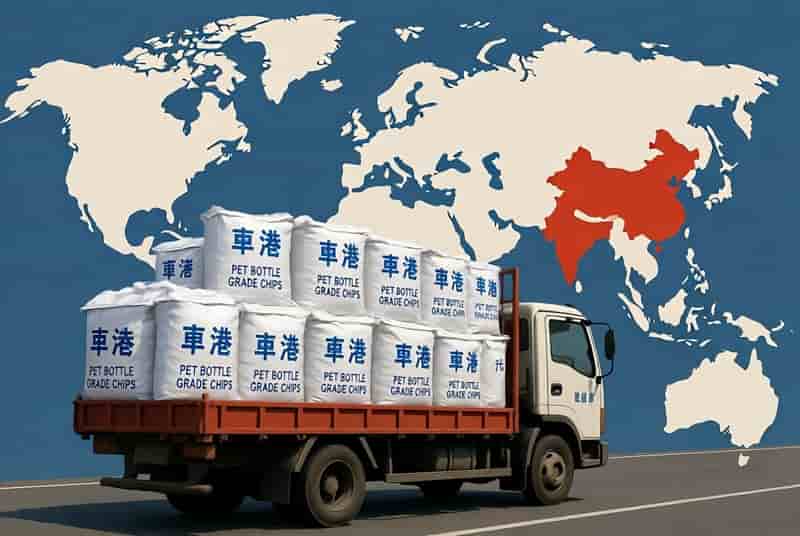
Europe once led the way in circular plastics, but that position is slipping fast. In 2024, circular feedstocks made up only 15.4 % of EU production, while global circular plastics output jumped to 43.9 million tonnes—with China alone producing 13.4 million tonnes.
Mechanical recycling in Europe increased only +2.7 % (to 7.7 Mt), chemical recycling remained flat at ~0.11 Mt, and bio-based plastics production fell 25 % to 0.6 Mt. Without stronger investment and policy frameworks, Europe risks losing scale, innovation and its circular economy edge. European plastics industry
Why This Matters for Europe’s Industrial Future
Plastics are foundational to many industries — packaging, automotive, construction, healthcare, electronics. The weakening of plastics production and recycling puts those downstream sectors at risk. Plastics Europe
If Europe fails to act decisively, the consequences may include job losses, asset sales, plant closures and increased dependence on external supply chains. The region’s ability to innovate and lead in circular manufacturing may also be eroded.
What Must Be Done: Strategic Industry Treatment
Industry bodies like Plastics Europe argue that plastics manufacturing and recycling should be recognised as strategic for Europe’s industrial resilience. Plastics Europe+1
Key actions recommended include:
-
Temporary relief from escalating energy and carbon costs. European plastics industry
-
Harmonised extended producer responsibility (EPR) systems across EU member states.
-
Stronger trade defence measures against low-priced imports.
-
Clear, predictable regulation to underpin investment in circular technologies.
-
Ambitious recycled-content targets and incentives to pull market demand for recycled and circular materials. RECYCLING magazine+1
-
Creation of a Chemicals & Plastics Trade Observatory for real-time monitoring of trade flows.
Closing Thoughts
The “European plastics industry” is at a critical juncture. Production is barely holding steady, recycling investment is lagging, and global competitors are rapidly gaining ground. Without urgent and coordinated action — from policy makers, industry players and value-chain partners — Europe risks not only losing its plastics manufacturing base but also falling behind in the circular economy. For your website and readers, presenting this issue in a visually clear, mobile-optimized, semantically rich format not only enhances SEO but also encourages engagement, trust and content reuse.