Bio-based film -“Plastic’s Hidden Problem: How Bio-Based Films Expose the Environmental Cost of Conventional Packaging and Deliver a Superior, Sustainable Alternative That Protects, Performs, and Decomposes Naturally” 11-11-2025
Bio-based film – Introduction
Plastic packaging is everywhere—with one major consequence: waste into landfills and polluted oceans, where conventional plastics take centuries to degrade. To ease this burden, the packaging industry has turned its gaze to renewable biopolymers. Yet for years the challenge persisted: can a sustainable film truly block moisture and oxygen at levels comparable to conventional plastics?
What the research found
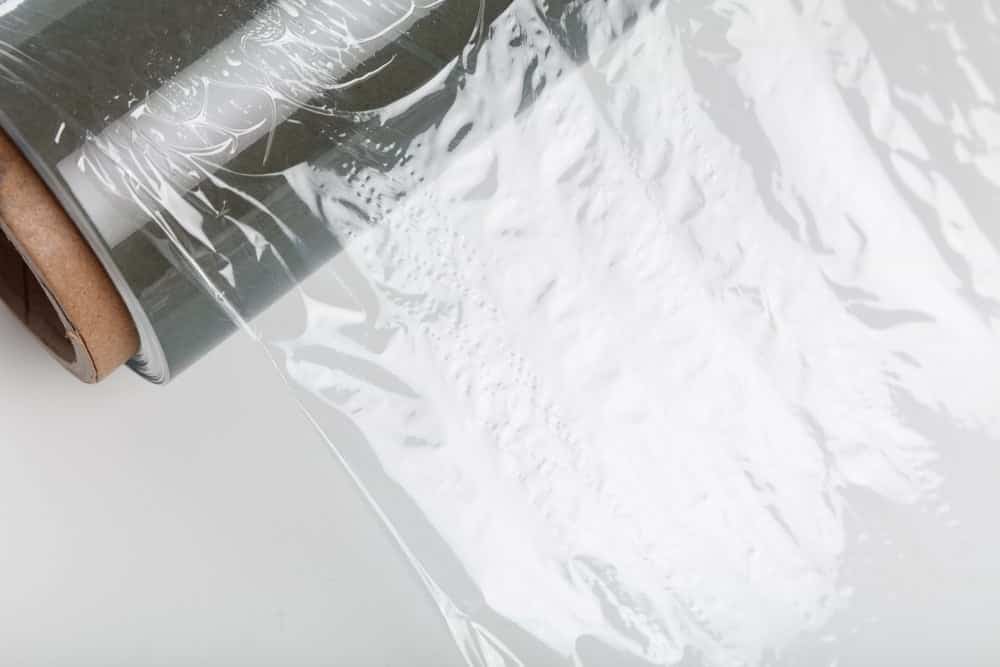
Researchers at the Georgia Institute of Technology have developed a biologically-based film made from abundant natural ingredients such as plant cellulose, chitosan (from mushrooms or crustacean food-waste), and citric acid (from citrus). Their film matches or even exceeds the moisture and oxygen barrier performance of common plastics like PET and EVOH. Bio-based film
Professor Carson Meredith emphasises: “Our films … rival or exceed the performance of conventional plastics in keeping food fresh and safe.”
Why this matters for barrier packaging
For food, pharmaceuticals and electronics packaging, barrier performance is critical: oxygen ingress and moisture penetration reduce shelf-life, spoil products, degrade sensitive items. Historically, many biopolymer films struggled under high humidity; their barrier properties weakened when moisture content rose. This new development addresses that weakness. MDPI+1
The science behind it
The film blends three main components:
-
A carbohydrate polymer (e.g., cellulose) for structural backbone.
-
A plasticiser to maintain flexibility. Bio-based film
-
A water-repelling additive that resists moisture uptake and swelling. Phys.org
Through cross-linking these materials and applying heat treatment, the team achieved a dense, ordered molecular film structure that remains stable even at 80 % relative humidity—matching or outperforming plastics like PET and EVOH.
Sustainability and circular-economy impact
Materials used are renewable, derived from plant biomass, food processing waste (mushrooms / crustacean by-product), and citrus acid waste. This means less reliance on fossil-derived plastics, and packaging that has the potential to degrade more readily in natural environments. The move aligns with broader trends in biodegradable coatings and bio-based polymers for packaging. RSC Publishing+1
Technical and performance advantages
-
Maintains excellent oxygen barrier and water vapour transmission rates even under high humidity.
-
Mechanically robust and flexible enough for practical applications in packaging. Bio-based film
-
Uses widely available, renewable feedstocks which aids scalability and cost-reduction over time.
-
Potential to integrate into existing packaging production lines—reducing need for radical manufacturing overhaul.
Challenges & what remains
While the breakthrough is promising, several areas require attention:
-
Large-scale production and commercialisation: moving from lab to factory remains a hurdle, as is common with advanced biopolymer films. MDPI+1
-
End-of-life behaviour: ensuring that the film truly biodegrades (or composts) under real-world conditions without unintended environmental impacts.
-
Cost competitiveness with established plastics, especially in high-volume packaging markets. Bio-based film
-
Compatibility with existing recycling infrastructure, and potential multilayer or composite structures to match performance in all dimensions. ResearchGate+1
What this means for industry and consumers
For packaging manufacturers: this offers a path to sustainable high-barrier films without sacrificing performance. For brands and consumers: it means a future where packaging can protect sensitive goods and reduce environmental impact. For regulators and sustainability teams: the development reinforces the shift toward circular-economy materials.
Final thoughts
This is a meaningful stride in sustainable packaging: a bio-based film that matches traditional plastic packaging in blocking moisture and oxygen. It proves that renewable materials can deliver performance and opens new possibilities for eco-friendly packaging. As production scales and cost barriers fall, we may see this kind of film becoming mainstream—helping reduce reliance on fossil-derived plastics and mitigating environmental pollution.