Hard-to-Recycle Plastics – Fossil-Based Plastics vs. Bioplastics: A Modern Dilemma In a world increasingly aware of environmental responsibility, the spotlight has turned sharply onto plastics — their origins, usage, disposal, and afterlife 03-06-2025
Hard-to-Recycle Plastics
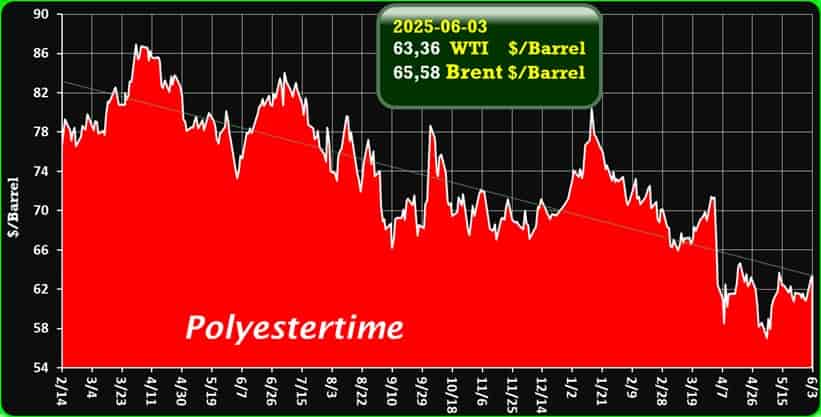
Crude Oil Prices Trend
♻️ Unlocking the Future of Waste: Chemical Recycling of Hard-to-Recycle Plastics
? Introduction
While traditional recycling methods struggle to process complex, multi-layered, or contaminated plastics, chemical recycling emerges as a powerful solution. Unlike mechanical recycling, which reshapes plastics without altering their chemical structure, chemical recycling breaks polymers down into their fundamental building blocks—monomers or other valuable compounds—allowing the creation of virgin-quality plastic or fuels.
This article explores various chemical recycling methods, their benefits and drawbacks, the products obtained, and their applications, following a logical path from thermal and catalytic processes to biological and emerging innovations. Hard-to-Recycle Plastics
? Thermal and Catalytic Recycling Technologies
1. Pyrolysis
- Process: Heats plastic waste in an oxygen-free environment.
- Pros: Converts plastic into fuel oil, waxes, and gases.
- Cons: High energy consumption; potential toxic byproducts.
- Use: Alternative fuel production and chemical feedstock.
2. Thermolysis
- Process: Thermal cracking of plastics.
- Pros: Energy recovery; works on mixed waste.
- Cons: High temperature requirements; limited product control.
- Use: Industrial energy systems.
3. Gasification
- Process: Converts plastic into syngas using limited oxygen.
- Pros: Efficient; accepts contaminated plastic streams.
- Cons: Complex setup; syngas cleaning required.
- Use: Fuel, electricity, or chemical synthesis.
4. Catalytic Plastic Recycling
- Process: Uses catalysts to improve breakdown efficiency.
- Pros: Lower energy use; precise output.
- Cons: Catalyst regeneration and cost.
- Use: Fuel, wax, or monomer recovery. Hard-to-Recycle Plastics
5. Microwave-Assisted Depolymerization
- Process: Uses microwaves and solution-phase catalysts.
- Pros: Rapid reaction; energy savings.
- Cons: High-tech investment; limited data.
- Use: Advanced monomer recovery.
6. Bio-TCat™ by Anellotech
- Process: Thermocatalytic process for biomass and plastics.
- Pros: Bio-based; produces high-value BTX chemicals.
- Cons: Feedstock must be controlled.
- Use: New plastic and chemical production.
? Solvent and Chemical Depolymerization
7. Solvent-Based Recycling
- Process: Dissolves and purifies polymer before recovery.
- Pros: Maintains polymer quality; good for composites.
- Cons: Solvent handling and emissions.
- Use: Film and multilayer recovery.
8. Depolymerisation Solvolysis / Reactive Recycling
- Process: Chemical depolymerization using solvents and heat.
- Pros: High-purity monomers.
- Cons: Feedstock-specific and cost-sensitive.
- Use: PET and nylon depolymerization. Hard-to-Recycle Plastics
9. Chemolysis
- Process: Acid, alkali, or alcohol-based breakdown of plastics.
- Pros: Efficient for specific polymers.
- Cons: Limited flexibility across plastic types.
- Use: PET, PUR, and polyester recycling.
10. Hydrolysis
- Process: Water breaks down ester bonds in polyesters.
- Pros: Green chemistry approach.
- Cons: Requires high pressure/temperature.
- Use: PET to terephthalic acid and ethylene glycol.
11. Hydrochemolytic Technology
- Process: Hybrid of hydrolysis and chemical catalysis.
- Pros: Broad plastic range; moderate conditions.
- Cons: Early-stage adoption.
- Use: Mixed plastic streams.
12. Iron Trichloride and Sunlight
- Process: Ferric chloride reacts with oxygen under sunlight to break plastics.
- Pros: Mild, low-energy.
- Cons: Scalability uncertain.
- Use: Experimental photodegradation. Hard-to-Recycle Plastics
13. Alcoholysis with Soluble Iron Catalyst
- Process: Breaks down polyesters with alcohol and iron catalyst.
- Pros: Efficient monomer recovery.
- Cons: Laboratory scale.
- Use: PET recycling to high-purity components.
? Bio-Based and Enzymatic Processes
14. Enzymatic Depolymerisation
- Process: Enzymes digest polymers into monomers.
- Pros: Highly selective and green.
- Cons: Cost and speed challenges.
- Use: Food-grade PET recovery.
15. Microbial Decomposition
- Process: Microbes consume plastic as a carbon source.
- Pros: Natural; low energy.
- Cons: Slow; limited plastic range.
- Use: Bioremediation of plastic-polluted areas.
16. Biodegradation & Bioconjugates
- Process: Bio-based enhancements aid natural breakdown.
- Pros: Supports end-of-life disposal.
- Cons: Not recycling per se; downcycling risk.
- Use: Compostable films and bags.
? Light, Mechanical and Hybrid Innovations
17. Photocatalyst Chemical Recycling
- Process: Light-driven catalysts degrade plastics.
- Pros: Solar-powered; selective degradation.
- Cons: Experimental; durability issues.
- Use: Field degradation in marine or landfill settings.
18. Recycling with Mechanochemistry
- Process: Uses grinding/mechanical stress to drive reactions.
- Pros: Solvent-free; eco-friendly.
- Cons: Low throughput today.
- Use: Academic and small-scale applications. Hard-to-Recycle Plastics
19. Reactive Extrusion
- Process: Extrusion combined with in-line chemical reactions.
- Pros: Scalable; integrates into existing equipment.
- Cons: Requires careful reaction control.
- Use: Upcycled polymer composites and blends.
? Advanced Catalysts & Specialized Uses
20. Flame Retardants as Depolymerization Catalysts
- Process: Dual-function agents aid in recycling and fire resistance.
- Pros: Multifunctional; reduces additive load.
- Cons: Health and safety concerns.
- Use: E-waste and auto plastic recycling.
21. GFRP to Silicon Carbide
- Process: Converts reinforced plastic into valuable ceramic.
- Pros: Upcycles high-tech waste.
- Cons: Energy and process complexity.
- Use: Aerospace and semiconductor sectors.
? Conclusion: The Road to a Circular Plastic Economy
Each chemical recycling process offers unique strengths and limitations. While some excel at recovering pure monomers, others turn waste into energy or high-value products. A truly circular economy will likely depend on a combination of these methods.
To scale these sustainably, industries must invest in infrastructure, catalyst innovation, and product design that prioritizes recyclability. Hard-to-Recycle Plastics
? Chemical recycling, when responsibly implemented, transforms waste from a problem into a valuable resource—unlocking a cleaner, more circular future.
? Fossil-Based Plastics vs. Bioplastics: A Modern Dilemma
In a world increasingly aware of environmental responsibility, the spotlight has turned sharply onto plastics — their origins, usage, disposal, and afterlife. For over a century, fossil-based plastics have dominated industries and lifestyles. Recently, however, bioplastics — derived from renewable biological sources — have emerged as an alternative. But does “bio” always mean better?
This article explores the advantages and disadvantages of both plastic types across six critical areas: sustainability, recycling, cost, pollution, biodegradability misconceptions, and interchangeability. Hard-to-Recycle Plastics
? 1. Sustainability
Fossil-Based Plastics:
Traditional plastics are synthesized from petroleum or natural gas — finite resources formed over millions of years. Their extraction and refining are energy-intensive processes, emitting large amounts of CO₂ and contributing to climate change. Moreover, reliance on fossil fuels deepens our dependence on geopolitically sensitive resources.
Bioplastics:
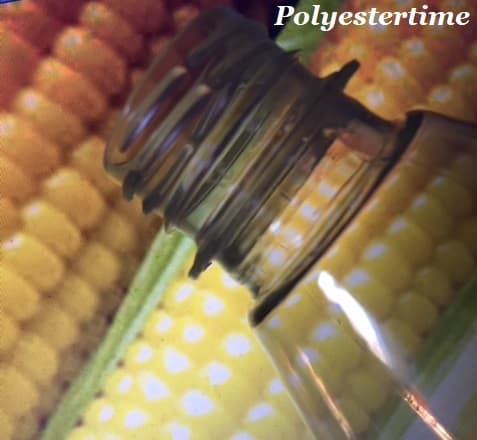
Made from renewable biomass like corn, sugarcane, or potato starch, bioplastics represent a more sustainable origin. Plants absorb carbon dioxide during growth, offsetting some emissions involved in production. However, large-scale cultivation raises concerns: competition with food crops, deforestation, and high water usage.
Verdict: Bioplastics offer better sustainability potential, but only if responsibly sourced and managed. Agricultural practices and land-use changes can undermine their environmental promise. Hard-to-Recycle Plastics
♻️ 2. Recycling
Fossil-Based Plastics:
Most conventional plastics like PET, HDPE, and PP are technically recyclable, but in reality, less than 10% globally is actually recycled. The barriers include contamination, poor segregation, lack of consumer awareness, and underdeveloped recycling infrastructure.
Bioplastics:
Recycling bioplastics is more nuanced. Some (like bio-PET) are chemically identical to their fossil counterparts and can be recycled in the same stream. Others, such as PLA (polylactic acid), require separate industrial composting systems — and contamination of traditional plastic recycling streams can compromise entire batches.
Verdict: Fossil plastics currently have better-integrated recycling pathways. Bioplastics need clearer labeling, public education, and distinct collection systems to prevent confusion and improve recycling rates.
? 3. Cost
Fossil-Based Plastics:
Thanks to decades of industrial refinement and global supply chains, fossil-based plastics are cheap to produce. Subsidized oil and economies of scale keep prices low — a major reason why they dominate packaging, automotive, and consumer goods sectors.
Bioplastics:
Bioplastics remain costlier due to higher feedstock prices, limited scale, and newer technologies. Depending on the type, they can cost 20% to 100% more than fossil plastics. Additionally, production can be affected by crop yield fluctuations, seasonality, and land availability. Hard-to-Recycle Plastics
Verdict: Fossil plastics are more cost-effective today, but bioplastic prices may fall with increased demand, innovation, and supportive policies.
?️ 4. Pollution
Fossil-Based Plastics:
One of the gravest environmental threats is plastic pollution. Traditional plastics degrade very slowly — often over centuries — contributing to massive ocean waste, choking wildlife, and breaking into microplastics that infiltrate soil, water, and food chains. Fossil-based plastic production is also a key contributor to air and water pollution.
Bioplastics:
While bioplastics are sometimes marketed as “eco-friendly,” their environmental impact varies. Some are compostable under industrial conditions, but many are not degradable in the natural environment. If bioplastics end up in the ocean or landfills without proper disposal, they can persist and pollute just like fossil plastics.
Verdict: Bioplastics may reduce pollution risk under ideal disposal conditions but are not inherently non-polluting. Responsible disposal and infrastructure are essential for their benefits to be realized. Hard-to-Recycle Plastics
❗ 5. Bioplastic ≠ Biodegradable
This is a common misconception. Not all bioplastics are biodegradable, and not all biodegradable plastics are made from bio-based materials.
- Bio-PET: Made from plant-based ethylene, it’s chemically identical to fossil PET and not biodegradable.
- PLA: A compostable plastic, but only under industrial conditions (around 60°C, specific humidity, microbial activity).
- PBAT & PCL: Fossil-based but biodegradable. Hard-to-Recycle Plastics
Terms like “biodegradable” and “compostable” are often used interchangeably, misleading consumers. True compostability requires specific environments — rarely found in nature or household compost bins.
Verdict: Bioplastic doesn’t guarantee biodegradability. Clear labeling, regulations, and consumer education are crucial to avoid greenwashing.
? 6. Interchangeability
Fossil-Based Plastics:
Fossil plastics offer unmatched versatility, from ultra-flexible films to rigid structural components. Their thermal and mechanical properties are well-understood and highly optimized across thousands of applications.
Bioplastics:
While some bioplastics can seamlessly replace traditional materials (e.g., bio-PET in bottles), others fall short. PLA, for instance, is brittle and unsuitable for high-heat applications like hot beverage cups. In many sectors, switching to bioplastics requires process reengineering and new equipment. Hard-to-Recycle Plastics
Verdict: Fossil plastics remain more adaptable and functional across the broadest range of industries. Bioplastics are improving but still lack universal substitutability.
? Summary Comparison Table
| Category | Fossil-Based Plastics | Bioplastics |
|---|---|---|
| Sustainability | Non-renewable, high carbon footprint | Renewable, lower emissions (context-dependent) |
| Recycling | Established systems, underutilized | Limited infrastructure, risk of contamination |
| Cost | Cheaper due to scale and subsidies | Higher costs, expected to drop over time |
| Pollution | Long-term environmental threat, microplastics | Less persistent (if managed properly) |
| Biodegradability | Not biodegradable | Varies — not all are biodegradable |
| Interchangeability | Highly versatile and proven | Limited applications, improving gradually |
? Final Thoughts
The shift toward bioplastics reflects a growing urgency to address the environmental consequences of plastic dependency. But while bioplastics hold promise, they are not a universal solution. Many challenges remain: scaling sustainable sourcing, improving waste management, lowering costs, and informing consumers. Hard-to-Recycle Plastics
Meanwhile, we must also focus on reducing plastic usage overall, designing for reuse, and improving recycling efficiency. Whether plastic is bio-based or fossil-derived, its true impact lies in how it’s produced, used, and ultimately disposed of.
Plastics may be here to stay — but it’s up to us to reshape their story.
?️ Suggested Images for Visual Support:
- Side-by-side image of oil extraction and cornfield (fossil vs. bio origin)
- Infographic showing recycling streams for PET vs PLA
- Composting facility for bioplastics
- Macro photo of microplastics on a beach
- Industrial production of both plastic types
♻️ BACHMANN FORMING Launches In-House Recycled PET Film Production
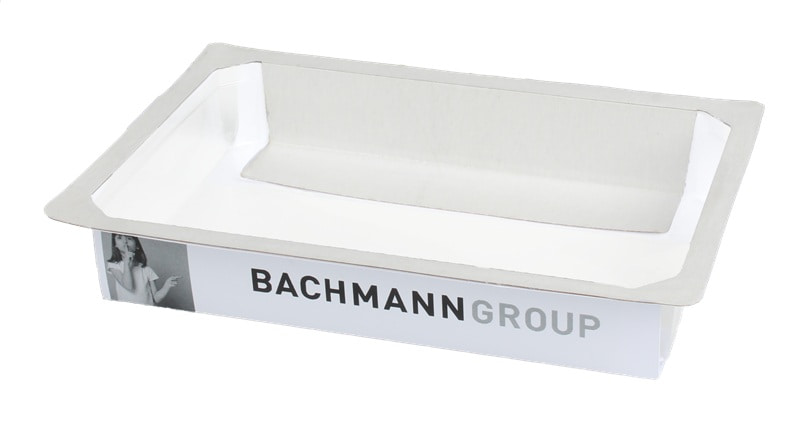
BACHMANN GROUP is breaking new ground in sustainable packaging with its PETEX product line. Since April 2025, the company has taken a significant step toward vertical integration by producing its own recycled PET film in-house, marking a milestone in eco-conscious manufacturing.
A CHF 5.5 Million Investment in Circular Economy
With an investment of approximately CHF 5.5 million, BACHMANN FORMING is not only upgrading its production technology but also reinforcing its long-term sustainability mission. Hard-to-Recycle Plastics
The new extrusion line includes an upstream decontamination system that enables the safe reuse of post-consumer PET, such as drink bottles and food packaging.
CEO Reto Bachmann explains: “By investing in the new extrusion line with decontamination, we’ve started our own production of recycled PET film. Our flagship initiative nPAC2PAC demonstrates that a closed-loop system using Swiss plastic collection bags is entirely feasible. As a founding member of RecyPac, we’re committed to supporting effective plastic collection and actively shaping the future of sustainable packaging.”
Closed-Loop PET Recycling — Already Ahead of EU Targets
This strategic initiative ensures BACHMANN FORMING already meets the EU Packaging and Packaging Waste Regulation (PPWR) goals set for 2030. PET film is extruded from post-consumer materials and reused in the production of new packaging. In addition, thermoformed die-cut skeletons—making up around 30% of material waste—are seamlessly reintegrated into the process on-site without downcycling, preserving material quality. Hard-to-Recycle Plastics
In total, BACHMANN recycles approximately 2,000 tons of material per year, significantly reducing raw material usage and environmental impact while boosting economic efficiency.
From Waste to Film: Key Production Steps Explained
1️⃣ Crystallization
The first step involves heating industrial PET regrind to over 120°C. This drying process increases viscosity, improving the structural and visual quality of the final film product. This pre-treatment is essential to achieve the strength and clarity expected from food-grade packaging.
2️⃣ Decontamination
Next, the PET undergoes a super-clean decontamination process to meet strict food-contact safety standards. This involves a combination of high heat, vacuum pressure, and extended dwell time. If the material doesn’t meet predefined parameters, it is recirculated through the system.
With a cleaning efficiency of 97% to 99.5%, the process exceeds the requirements set by leading food safety authorities, including BLV (Switzerland), EFSA (EU), and FDA (US). Hard-to-Recycle Plastics
3️⃣ Extrusion
Finally, cleaned PET flakes are melted and calendered into films of specific thickness and transparency. Every detail—temperature, pressure, roller geometry—is closely controlled to ensure a consistently high-quality PET film ready for direct use in packaging applications.
Looking Ahead: Sustainable Packaging Starts Here
With its PETEX line, BACHMANN FORMING is proving that recycled materials can meet—and exceed—regulatory and quality standards. This move not only promotes the circular economy but also reinforces Switzerland’s leadership in sustainable packaging innovation.
From cutting-edge recycling technology to full compliance with international food safety standards, BACHMANN’s investment is a blueprint for the future of eco-responsible packaging manufacturing. Hard-to-Recycle Plastics
♻️ Brazil’s R-PET Market Rebounds as Recyclers Gear Up for June
Brazil’s polyethylene terephthalate (R-PET) recycling industry is bracing for a turnaround. After months of suppressed operational activity, recyclers across the country are preparing to ramp up production in June. This shift comes amid falling R-PET flake prices, increased feedstock availability, and diminishing appeal of virgin PET resin.
? Virgin vs. Recycled PET: The Spread Turns Negative
The price spread between hot-washed R-PET flakes and virgin PET has now turned negative—a trend not seen since September 2024. According to Platts (S&P Global Commodity Insights), R-PET clear flakes were assessed at Real 6.90/kg DDP São Paulo on May 29, a Real 0.60/kg drop from earlier in the month.
Meanwhile, virgin PET—whose price is driven by Asian market rates plus shipping—has spiked due to rising container freight costs from Northeast Asia to South America. These freight hikes followed the temporary pause in US-China tariffs announced on May 14, which caused international logistics rates to double. Hard-to-Recycle Plastics
This shift has made R-PET more cost-effective than virgin resin for the first time in eight months, reigniting interest from packaging manufacturers who had previously switched to cheaper virgin PET.
Recyclers to Resume Full Operations in June
With input bottle supply recovering and flake prices at attractive lows, many recyclers plan to restore full operational rates starting in June. One major recycler commented:
“We’ll return to full operational rates in June to take advantage of lower feedstock prices and reduce our average cost.”
Over the past few months, the R-PET sector suffered from a dual blow—low demand and competition from cheap virgin resin. Several recyclers reported operating below capacity or even halting operations entirely due to insufficient bottle input and high inventory levels. Hard-to-Recycle Plastics
Inventory Challenges and Limited Storage
Although R-PET flakes are being offered at very competitive prices, some recyclers have had to pass on these opportunities due to lack of storage space.
“I was offered R-PET flakes at very attractive prices, but I lacked the inventory space to store them,” said a São Paulo-based recycler.
These storage constraints add another layer of complexity to an already delicate supply chain situation.
Short-Term Downtrend, Long-Term Optimism
Despite the improved sentiment around demand in June, most market participants expect flake prices to continue falling—though more moderately than before. Hard-to-Recycle Plastics
A packaging manufacturer explained:
“My flake suppliers have lowered prices again for June, but now with smaller reductions.”
This suggests that the market may be reaching a price floor, setting the stage for a potential recovery in July or August.
July-August Could Signal a Market Reversal
Several industry sources anticipate a positive shift in the pricing trend by mid-year. If R-PET continues to trade at a competitive discount to virgin resin and feedstock costs remain manageable, recyclers and scrap sellers alike could benefit.
“PET [scrap] at current prices is not bad,” a scrap dealer noted, signaling confidence despite recent losses.
However, experts warn that if prices fall too steeply, it may discourage bottle collectors, disrupting the entire recycling chain and putting long-term supply at risk.
Conclusion: A Critical Crossroads for Brazil’s R-PET Sector
As June approaches, Brazil’s R-PET industry stands at a pivotal moment. While short-term challenges persist, lower costs and improved competitiveness are bringing recyclers back online. All eyes now turn to July and August, which could mark a rebound in both price and demand. Hard-to-Recycle Plastics
Whether this uptrend materializes will depend on balancing production costs, scrap collection viability, and ongoing shifts in global resin markets.
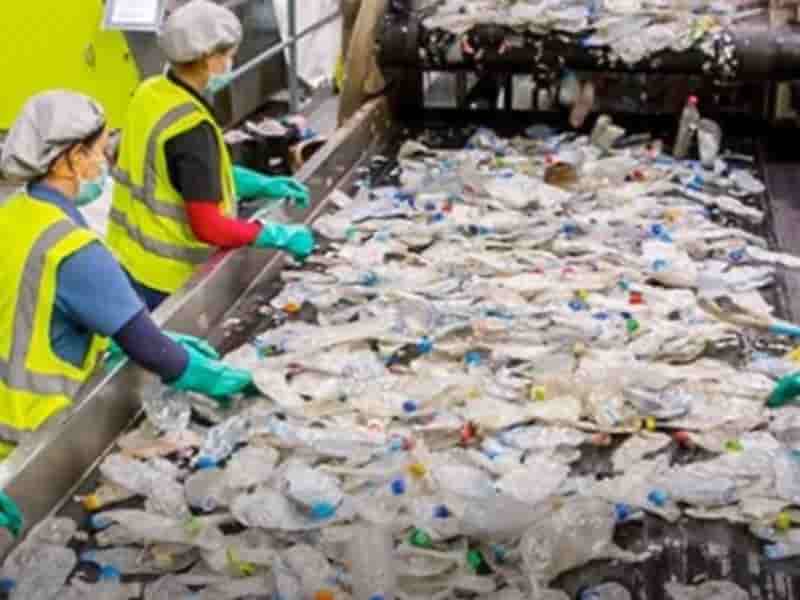
? SCG Launches Thailand’s First Chemical Recycling Plant for Plastics
Chemicals Business, SCG, has taken a major step toward sustainable innovation with the unveiling of its new chemical recycling technology. This groundbreaking development enables the conversion of post-consumer plastic waste into renewable feedstock for petrochemical plants—marking a pivotal milestone in SCG’s journey toward a circular economy.
♻️ A Roadmap for Circular Economy: “Chemicals Business for Sustainability”
Under its vision of “Chemicals Business for Sustainability,” SCG has rolled out a comprehensive circular economy roadmap that addresses key areas across the plastic value chain. The roadmap integrates advanced technologies and sustainable practices to reduce environmental impact while creating economic value. Hard-to-Recycle Plastics
Mr. Tanawong Areeratchakul, President of Chemicals Business, SCG, emphasized that sustainability and innovation are now embedded in SCG’s core strategies. “We view recycling technology not just as a solution, but as a driver of future growth,” he stated.
Four Pillars of SCG’s Circular Economy Roadmap
- Design for Recyclability: Developing innovative plastic resins that are easier to recycle while maintaining high performance.
- Post-Consumer Recycled Resin (PCR): Creating high-quality resins from used plastic materials.
- Chemical Recycling: Transforming used plastics into renewable feedstock through advanced processes.
- Bioplastics Development: Innovating in eco-friendly alternatives derived from renewable sources.
This roadmap ensures sustainable practices from the product design stage all the way to waste management and resource recovery. Hard-to-Recycle Plastics
Chemical Recycling: A Game-Changing Innovation
The latest breakthrough is SCG’s chemical recycling technology, which converts post-consumer plastics into renewable feedstock for new plastic resin production. This process contributes significantly to Thailand’s sustainability efforts by promoting efficient plastic waste management and reducing reliance on fossil-based raw materials.
The proprietary technology uses a special catalyst that enables energy-efficient operation—achieving lower processing temperatures while minimizing environmental impact. This innovation not only aligns with global sustainability goals but also strengthens domestic circular economy infrastructure.
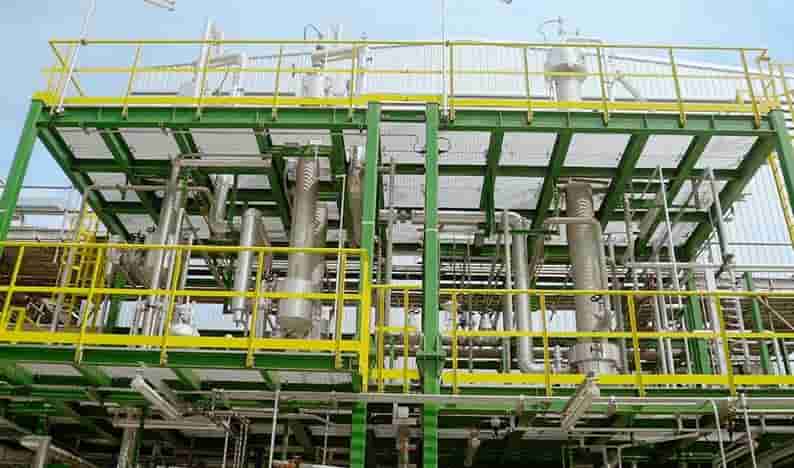
? Thailand’s First Demonstration Plant in Rayong
SCG has constructed the first chemical recycling demonstration plant in Thailand, located within its Rayong industrial complex. The facility has a production capacity of approximately 4,000 tons of renewable feedstock per year. This initiative is part of a larger plan that includes future scaling to meet growing demand. Hard-to-Recycle Plastics
Strategic Partnerships Fueling Innovation
To bring this vision to life, SCG has formed a strategic partnership with a leading technology startup specializing in chemical recycling. Together, they have co-developed the process and co-founded a new company, Circular Plas Co., Ltd.
This joint venture is structured with SCG’s subsidiary holding a 60% stake, and the startup partner holding the remaining 40%. Circular Plas Co., Ltd. will operate the chemical recycling business and drive further innovation in plastic waste processing.
Looking Ahead: A Sustainable Future for Plastics
SCG’s pioneering efforts represent a bold shift in how industries manage plastic waste. By integrating cutting-edge recycling technology with long-term sustainability goals, SCG is positioning itself as a leader in the global circular economy movement.
With the demonstration plant operational and future expansions in sight, this initiative not only benefits the environment but also sets a model for industry-wide transformation.
♻️ Ghana Launches Groundbreaking PET-to-Yarn Recycling Initiative
Ghana has taken a bold step toward a circular economy by launching a pioneering initiative that transforms used plastic bottles—specifically polyethylene terephthalate (PET)—into high-quality polyester yarn for clothing production. This innovative project is the first of its kind in both Ghana and Africa. Hard-to-Recycle Plastics
Spearheaded by the Ministry of Environment, Science and Technology (MEST) in collaboration with the United Nations Industrial Development Organization (UNIDO), the initiative receives financial support from the Global Environmental Facility (GEF). The aim: reduce plastic waste, promote sustainable industry, and generate jobs.
A New Chapter in Africa’s Circular Economy
At the heart of the project is Universal Plastic Products and Recycling Limited (UPPR), the company selected to implement the PET-to-yarn processing model. Mr. Ashwani Rajwal, General Manager of UPPR, hailed the project as a regional milestone.
“This is not just about recycling. This is about repurposing. We’re turning PET plastic bottles into high-value yarns used in garments and textiles—giving plastic a truly circular life,” Rajwal emphasized during the stakeholder inception meeting. Hard-to-Recycle Plastics
From Plastic Bottles to Polyester Yarn
The recycling process involves four key stages:
- Collecting used PET bottles from communities and public spaces
- Thorough cleaning and shredding of plastic waste
- Melting the plastic into raw polyester material
- Spinning the material into durable, reusable yarn
This polyester yarn can then be used to manufacture a wide array of textile products, including t-shirts, school uniforms, bags, and more. These items not only support Ghana’s textile industry but also create new market opportunities for local businesses and entrepreneurs.
Community Engagement and Economic Inclusion
The success of the PET-to-yarn initiative relies heavily on community involvement. Buy-back centres are being established across various regions, where individuals can exchange plastic waste for cash or incentives. Informal waste collectors are also being integrated into the formal system—offering them stable income and recognition for their contributions. Hard-to-Recycle Plastics
This inclusive approach ensures that the environmental benefits of the initiative are matched with real social and economic gains for vulnerable communities.
? Economic Impact: Jobs, Skills, and Local Growth
Dr. Glenn K. Gyimah, Project Coordinator at the Jospong Group of Companies, described the initiative as a “game-changer” for Africa’s recycling landscape.
“This marks the first time PET plastic will be upcycled into high-value materials with commercial potential in Africa. It’s a major leap toward industrial transformation,” he said. Hard-to-Recycle Plastics
The initiative is also creating jobs and skill-building opportunities through partnerships with schools and vocational training centres. Young people are learning about sustainability, technical processes, and entrepreneurship—skills that are in high demand across the continent.
Environmental Benefits: Reducing Carbon and Waste
Ghana generates over 840,000 tonnes of plastic waste annually, yet less than 10% is recycled. The PET-to-yarn project directly addresses this issue by upcycling plastic into reusable materials—dramatically reducing landfill overflow and ocean pollution.
Moreover, producing polyester yarn from recycled PET uses significantly less energy and water than creating new (virgin) PET. This leads to lower carbon emissions, helping mitigate climate change and reduce the environmental footprint of the garment industry.
Looking Ahead: PET as a Tool for Transformation
Once deemed non-reusable, PET plastics now present new economic promise for Ghana and beyond. The PET-to-yarn initiative not only reduces waste but catalyzes a value chain that can support sustainable fashion, environmental protection, and inclusive economic development. Hard-to-Recycle Plastics
As the initiative scales, it m ay serve as a model for other African nations looking to blend innovation, sustainability, and economic empowerment.
Key Takeaways
- Initiative: PET bottles converted into yarn for textiles
- Lead Entities: MEST, UNIDO, UPPR
- Support: Funded by the Global Environmental Facility (GEF)
- Benefits: Reduces plastic waste, creates jobs, lowers emissions
- Community Focus: Buy-back centres and training partnerships
Final Thoughts
Ghana’s PET-to-yarn recycling initiative is a landmark moment for African sustainability. It combines environmental responsibility with economic opportunity, setting a precedent for innovative plastic waste management. With continued investment and community support, this project could redefine how developing nations approach plastic, fashion, and the future.