Explosive Global Oil Price Shock Looms as U.S.–Iran Conflict Intensifies, Strait of Hormuz Threatened, and Geopolitical Risk Spirals Across Energy Markets 18-02-2026
How Rising U.S.–Iran Tensions Could Affect Global Oil Prices
Global energy markets are on alert as tensions between the United States and Iran escalate. Recent reports indicate a significant U.S. military build-up in the Middle East with more than 50 fighter jets—including F-16s, F-22s, and F-35s—being moved toward the region amid stalled nuclear negotiations. This heightened military presence adds uncertainty around oil exports and trading dynamics impact on oil prices.
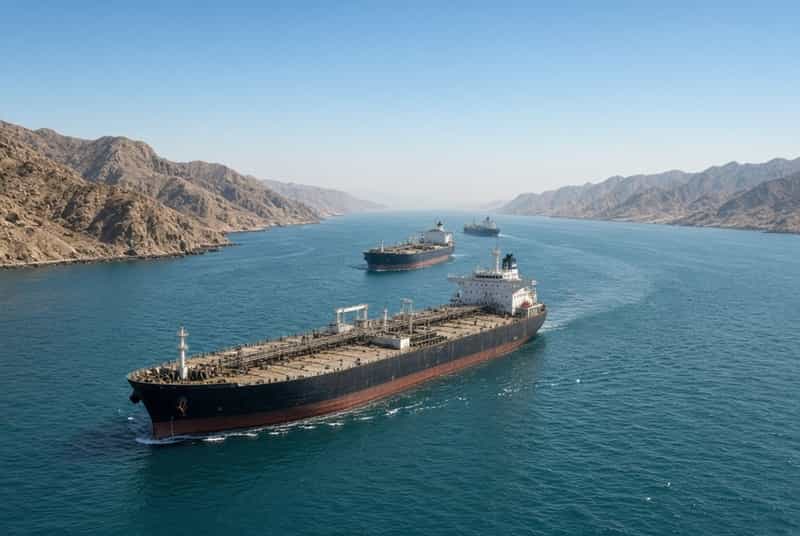
Iran has responded with naval drills and strategic moves in the Strait of Hormuz, a chokepoint through which roughly 20 % of the world’s oil shipments flow. Temporary closures and missile exercises in the strait demonstrate how geopolitics can quickly influence energy markets. Any prolonged disruption here directly affects the impact on oil prices, as traders price in risk and potential supply constraints.
Market Moves and Pricing in Geopolitical Risk
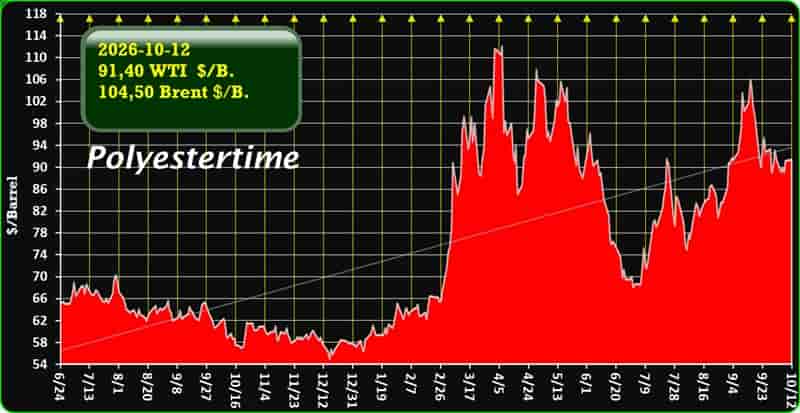
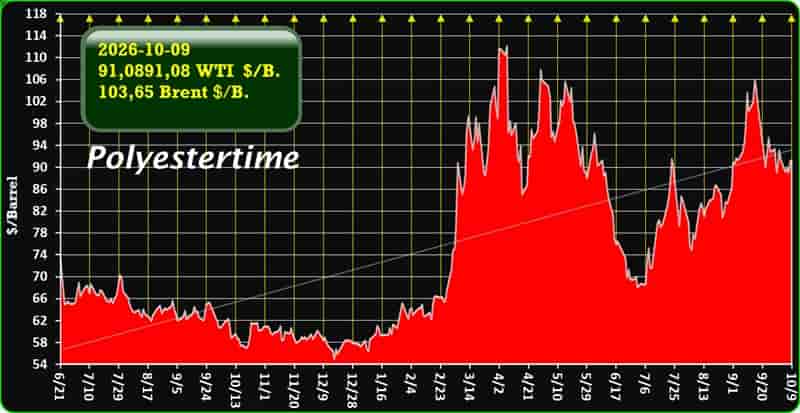
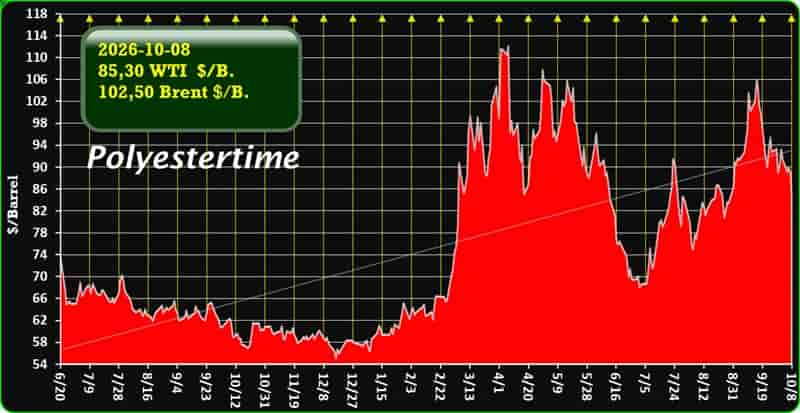
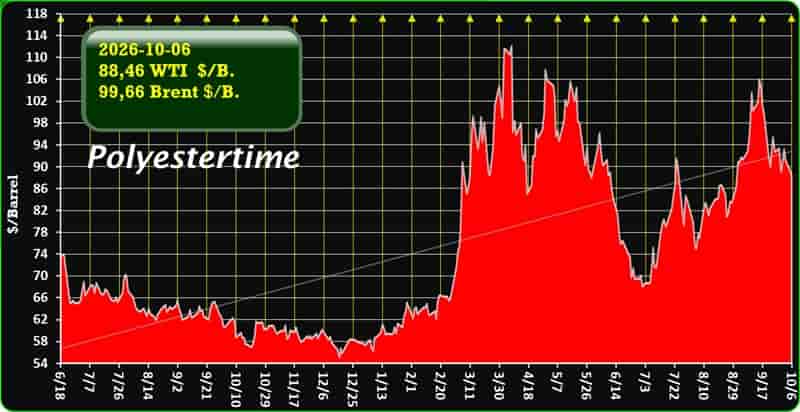
Oil futures have climbed in recent trading sessions as traders reassess global supply risks due to the U.S.–Iran standoff. Both Brent crude and West Texas Intermediate benchmarks have registered gains, reflecting how geopolitical stress directly impacts pricing dynamics impact on oil prices.
Analysts note that even if actual physical supply disruptions remain limited, the mere threat of conflict embeds a geopolitical risk premium into oil markets. Traders often bid oil prices higher not because barrels are immediately scarce, but because future supply flows could be threatened by wider military engagement or blockades in strategic waterways like the Strait of Hormuz.
Market indicators suggest this risk premium could widen if diplomatic efforts continue to stall or if Iran further restricts transit through key oil routes. The uptick in oil prices already shows how bearish risk perceptions alter the impact on oil prices even before any large-scale military conflict occurs.
Why the Strait of Hormuz Matters for Oil Markets
The geography of oil distribution amplifies the impact on oil prices when strategic points are threatened. Nearly one-fifth of globally traded crude passes through the Strait of Hormuz. When Iran temporarily shut portions of the strait for military drills, markets reacted to the possibility of disrupted exports and higher freight costs.
Historically, even rumors of interruptions in the Hormuz corridor have translated to price volatility. If shipping traffic were constrained for weeks rather than hours, the impact on oil prices could be significant, leading to a sustained supply risk premium that keeps prices elevated. Market analysts emphasize that such chokepoints magnify risk far beyond the physical quantity of oil at stake.
Diplomatic Talks: A Mixed Signal for Energy Markets
Meanwhile, indirect talks between U.S. and Iranian officials continue, with both sides claiming some progress but without a breakthrough that fully addresses all core issues. Tehran’s partial cooperation on nuclear diplomacy contrasts with unresolved demands from Washington over ballistic missile programs and broader regional behavior. These mixed diplomatic signals contribute to uncertainty, which is a key driver for oil markets when forecasting the impact on oil prices.
Investors often use diplomatic developments as a barometer for future market stability. When negotiations appear fragile or likely to fail, markets typically price in the potential for conflict escalation—and that increases the impact on oil prices even absent direct military action.
Broader Economic and Market Implications
At the macro level, the potential escalation of U.S.–Iran hostilities comes at a time when global oil demand remains firm and spare capacity among major producers is limited. In scenarios where Iranian output or exports would be significantly reduced due to military conflict, price forecasts suggest steep upside risks. For instance, some energy analysts model Brent crude exceeding $90 per barrel if Iranian exports were removed from global supply for an extended period—a clear indicator of how geopolitical stress translates into the impact on oil prices.
In addition, the knock-on effects of supply fears often raise prices for related commodities like gold and foreign exchange safe havens. This interconnected market response shows how geopolitical risk can ripple beyond oil alone to influence broader financial markets.
What This Means for Consumers and Traders
For global consumers, the impact on oil prices manifests in fuel costs at the pump, inflationary pressures, and production costs across industries reliant on energy. In periods of elevated geopolitical risk, refiners and traders adjust hedge positions and strategic inventories, often keeping prices elevated even if supply remains constant.
Energy traders and fund managers are watching both regional military developments and diplomatic avenues closely. Short-term trading strategies may capitalize on increased price volatility, but long-term investors are evaluating whether a persistent geopolitical risk premium will reshape oil market structures.
Conclusion
Escalating tensions between the U.S. and Iran show how geopolitical factors can rapidly alter energy market dynamics. Even without a full-scale conflict, movements of military assets, disruptions in the Strait of Hormuz, and fragile diplomatic progress create conditions where the impact on oil prices becomes noticeable in futures markets and risk premia. For policymakers, traders, and consumers alike, monitoring these developments is essential to understanding the evolving global energy landscape and preparing for potential price volatility ahead.
More…