Oil Prices Fall as US-Iran War Tensions Ease, but Market Risks Remain
Oil prices US Iran war
Oil Prices Fall as US-Iran War Tensions Ease, but Market Risks Remain
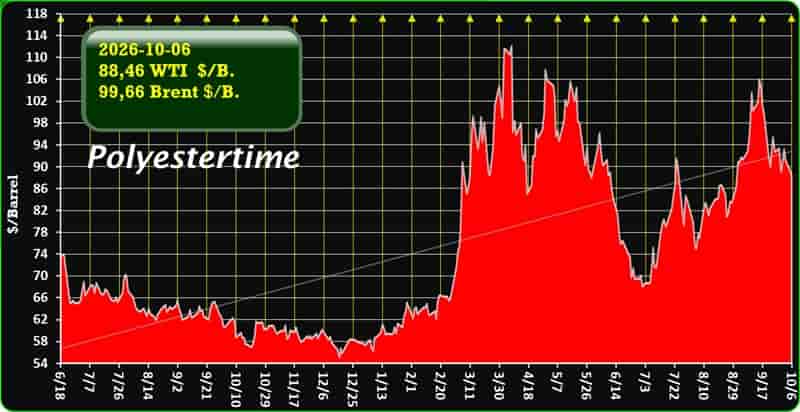
Oil prices have cooled sharply as investors react to signs of de-escalation in the US-Iran war and the possible reopening of the Strait of Hormuz. Brent crude is currently trading around $78 per barrel, while West Texas Intermediate is near $75 per barrel.
That marks a significant change in tone from the earlier phase of the crisis, when fears of a prolonged disruption in Middle Eastern oil flows pushed energy markets into a much more defensive position. The latest price action suggests that traders are no longer pricing in a worst-case scenario. However, the market is not yet treating the situation as fully resolved.
The key question now is simple: are oil prices falling because the geopolitical risk has truly disappeared, or because markets are temporarily relieved that the worst outcome has been avoided?
Why oil prices are falling
The main driver behind the latest decline in crude prices is the reported progress toward a US-Iran agreement. A preliminary deal to halt hostilities and reopen the Strait of Hormuz has reduced the immediate fear of a severe supply shock.
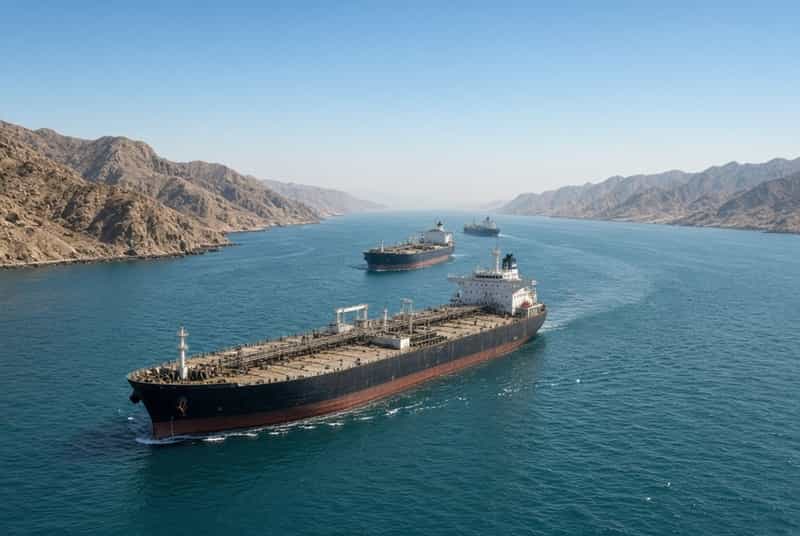
For oil markets, the Strait of Hormuz is not just another shipping route. It is one of the world’s most important energy chokepoints. Any disruption there can affect crude flows, tanker availability, shipping insurance, refinery planning and fuel prices across several regions.
When the market believes that Hormuz traffic may normalize, the geopolitical risk premium built into oil prices tends to fall. That is what appears to be happening now. Brent near $78 and WTI near $75 suggest that traders are pricing in a partial return to normal, but not a complete one.
The US-Iran war risk has eased, not disappeared
The current decline in oil prices should not be confused with full stability. The reported agreement is still fragile, and several important issues remain unresolved.
First, the implementation of any deal matters more than the announcement. Markets will watch whether shipping lanes actually reopen safely, whether tankers return at scale, and whether insurance costs begin to normalize.
Second, the wider regional security picture remains sensitive. Even if direct US-Iran hostilities ease, the risk of renewed escalation through regional actors, attacks on infrastructure, or diplomatic breakdowns has not fully disappeared.
Third, oil traders will continue to monitor the nuclear dimension of the agreement. Any sign that negotiations are stalling could quickly bring risk premiums back into the market.
This is why oil prices have fallen, but not collapsed. The market is relieved, but still cautious. oil prices US Iran war
Brent and WTI: what the current price gap says
With Brent around $78 and WTI around $75, the spread between the two benchmarks remains relatively narrow but meaningful.
Brent is the more globally exposed benchmark and is usually more sensitive to Middle Eastern supply risks, maritime disruptions and international crude flows. WTI, by contrast, is more closely tied to the US market, domestic inventories and North American infrastructure.
The fact that both benchmarks are moving lower suggests broad relief across the oil market. But Brent’s continued premium over WTI shows that global supply risk has not vanished. Traders still see international crude as more exposed to geopolitical uncertainty than US domestic crude.
Why prices may not return to pre-war levels quickly
Even if the US-Iran agreement holds, oil prices may not immediately return to pre-war conditions. Energy markets often take longer to normalize than headlines suggest.
Shipping schedules need to be rebuilt. Tankers may need new insurance coverage. Refiners must adjust crude purchasing plans. Countries that drew down emergency or commercial reserves may begin restocking. These factors can keep demand for physical barrels elevated even after the immediate crisis fades.
There is also the question of infrastructure and operational confidence. If companies believe there is still a risk of renewed disruption, they may demand higher margins or avoid certain routes until the security picture becomes clearer.
That is why Brent near $78 and WTI near $75 can be interpreted as a middle-ground price level. The market is no longer in panic mode, but it is not yet comfortable enough to price oil as if the war never happened.
What this means for consumers and inflation
Lower crude prices are generally positive for consumers, businesses and inflation expectations. If oil remains under pressure, gasoline, diesel and jet fuel prices may gradually ease.
However, the effect is rarely immediate. Fuel prices depend not only on crude oil, but also on refining margins, taxes, logistics, regional inventories and currency movements. In many countries, consumers may see only a delayed or partial benefit from lower crude prices.
For central banks, the easing in oil prices could help reduce inflation pressure, especially if the decline persists. But policymakers are unlikely to treat the latest move as permanent until the geopolitical situation becomes more stable.
What traders are watching next
The next phase for oil prices will depend on confirmation, not promises.
Markets will closely watch whether the Strait of Hormuz is fully reopened, whether tanker traffic returns to normal, and whether Iranian oil exports increase in a transparent and sustainable way.
Traders will also monitor official inventory data, OPEC+ signals, refinery demand, Asian crude buying and the strength of the US dollar. A weaker dollar can support oil prices, while weaker demand expectations can push them lower.
The most important factor remains political. If the US-Iran agreement moves from a preliminary understanding to a durable settlement, oil prices could face further downward pressure. If the deal weakens, Brent and WTI could quickly rebound.
Outlook: oil prices are lower, but the market remains fragile
The current oil market is moving from crisis pricing toward cautious normalization. Brent around $78 and WTI around $75 show that traders have removed part of the war premium, but not all of it.
The most likely near-term scenario is continued volatility. Prices may fall further if the US-Iran deal holds, shipping through the Strait of Hormuz resumes safely and global supply improves. But the downside may be limited if inventories remain tight, fuel demand stays strong, or regional tensions return.
For now, the message from the oil market is clear: the panic has eased, but the risk has not disappeared.
Oil prices are no longer trading as if a major supply shock is inevitable. They are trading as if the world has avoided the worst outcome, while still waiting for proof that energy flows, diplomacy and regional security can hold together.
Oil Prices Fall Back as U.S.–Iran War Risk Eases, but Supply Fears Remain
More…