Oil Prices in the US-Iran War: Brent Near $80 as Markets Weigh Hormuz Risk and Supply Shock Fears
Oil prices US Iran war
Oil Prices Under Pressure as the US-Iran War Reshapes Global Energy Markets
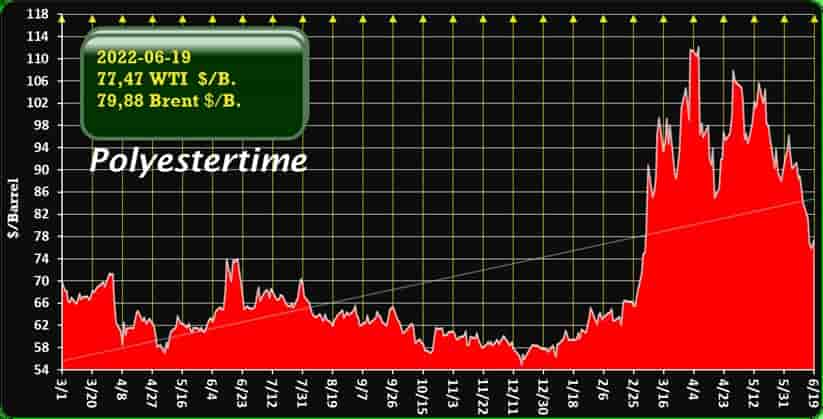
Brent Near $80 and WTI Around $77: What the Market Is Pricing In
Oil prices have pulled back sharply from the most extreme levels seen during the US-Iran war, but the market is far from calm. Brent crude is currently trading around $80 per barrel, while West Texas Intermediate, the US benchmark, is around $77 per barrel.
That price level tells an important story. Traders are no longer pricing in a worst-case scenario of a prolonged, complete disruption in Gulf energy flows. At the same time, prices are still carrying a geopolitical risk premium because the situation around Iran, the Strait of Hormuz, shipping security, and oil supply recovery remains fragile.
In simple terms, the market is relieved but not relaxed.
Why the Strait of Hormuz Still Matters
The Strait of Hormuz remains the central issue for oil markets. Before the conflict, it was one of the most important energy corridors in the world, carrying a major share of global crude oil and petroleum products.
When tensions escalated and shipping through the strait became restricted, oil prices surged because buyers feared a major supply shock. Even now, with reports of limited shipping activity resuming, the return to normal is not automatic. Tankers must navigate security risks, insurance costs, route congestion, and possible delays linked to mine clearance and maritime safety checks.
This is why oil prices have not collapsed back to pre-war levels. The physical flow of oil matters more than political statements. Until ships move safely and consistently through the Gulf, the market will keep pricing in uncertainty.
The US-Iran Deal Has Eased Panic, But Not Removed Risk
Recent diplomatic progress between the United States and Iran has helped cool the oil market. The possibility of reopening key shipping routes and reducing military pressure has pushed crude prices lower.
However, the agreement appears to be only an interim step rather than a permanent settlement. The market still has to assess several unresolved questions:
Will the ceasefire hold?
How quickly can shipping return to normal?
Will Iran’s oil exports recover without new sanctions or legal complications?
Can Gulf producers restart and maintain higher output?
Will insurers and tanker operators consider the route safe enough?
These questions explain why Brent remains near $80 instead of falling much further. The oil market is not only reacting to today’s barrels. It is pricing the probability of another disruption.
Why Brent and WTI Are Moving Differently
Brent and WTI often move in the same direction, but they reflect different parts of the oil market.
Brent is the global benchmark and is more sensitive to Middle East shipping risks, Asian demand, and seaborne crude flows. That makes it especially exposed to developments in the Strait of Hormuz.
WTI is the US benchmark and is more influenced by domestic inventories, refinery demand, pipeline capacity, and US export flows. During the conflict, demand for US crude and refined products increased because buyers looked for alternatives to disrupted Gulf supplies.
The current Brent-WTI spread shows that global supply risk remains present, but it has narrowed compared with the most stressful phases of the conflict.
The Inflation Impact Is Not Over
Lower crude prices are good news for consumers, airlines, manufacturers, and central banks. Falling oil prices can reduce pressure on gasoline, diesel, jet fuel, shipping, plastics, fertilizers, and food distribution costs.
But the relief will not be immediate or equal everywhere. Fuel prices usually lag crude prices. Refinery margins, taxes, inventories, logistics costs, and regional supply bottlenecks can keep gasoline and diesel prices elevated even after crude prices fall.
This means consumers may see some improvement at the pump, but a full return to pre-war energy costs could take months.
Three Scenarios for Oil Prices
1. Bullish Scenario: Prices Rise Again
Oil prices could move higher if the US-Iran deal weakens, shipping through Hormuz remains limited, or there is a renewed military incident in the Gulf. In this scenario, Brent could move back above $90, especially if inventories remain tight and Asian buyers compete for available barrels.
2. Base Scenario: Prices Stay Volatile Near Current Levels
The most likely near-term scenario is continued volatility. Brent may remain near the $75-$85 range, while WTI may trade slightly lower, depending on US inventories and export demand. This would reflect partial reopening, cautious tanker movement, and slow normalization of energy flows.
3. Bearish Scenario: Prices Fall Further
Oil prices could fall below current levels if shipping resumes faster than expected, Iranian exports recover, global demand weakens, and inventories rebuild. In that case, Brent could lose much of its remaining geopolitical premium. However, this requires stable diplomacy and visible improvement in physical supply flows.
What Investors and Businesses Should Watch Next
The next moves in oil prices will depend less on political headlines and more on measurable indicators. The most important signals are:
Tanker traffic through the Strait of Hormuz
Iranian export volumes
Insurance rates for Gulf shipping
US crude inventories
OPEC+ production decisions
Asian refinery demand
Central bank reactions to energy-driven inflation
For businesses, the key lesson is that energy risk has become a strategic planning issue again. Companies exposed to transportation, chemicals, aviation, agriculture, packaging, and manufacturing should avoid assuming that the recent price decline means the crisis is over.
Why This Conflict Changed the Oil Market
The US-Iran war reminded markets that oil prices are still shaped by geography, security, and chokepoints. Even in a world investing heavily in renewables, electric vehicles, and energy efficiency, crude oil remains deeply connected to inflation, trade, shipping, and industrial production.
The recent fall in prices is important, but it should not be confused with stability. Brent near $80 and WTI near $77 suggest that traders believe the worst-case scenario has become less likely, not impossible.
Conclusion: Oil Prices Are Lower, But the Risk Premium Remains
Oil prices have eased because markets see progress toward de-escalation and a possible recovery in Gulf energy flows. But the situation surrounding the US-Iran war remains one of the biggest variables for global energy markets.
Brent around $80 and WTI around $77 indicate a market caught between relief and caution. If diplomacy holds and shipping normalizes, prices could fall further. If the conflict returns or Hormuz remains constrained, oil could quickly regain its war premium.
For now, the message from the market is clear: oil is no longer in panic mode, but it is still trading in a geopolitical danger zone.
Oil Prices Fall as US-Iran War Tensions Ease, but Market Risks Remainore…
More…