Iran Naval Blockade: What Happens Next?
Iran Naval Blockade: What Happens Next for Iran and Global Energy Markets?
The renewed US naval blockade of Iranian ports is entering a more dangerous phase as military strikes, shipping restrictions and attacks across the Gulf reinforce one another.
The immediate objective of the blockade is to prevent vessels from entering or leaving Iranian ports, particularly those involved in the country’s oil trade. Its wider consequences, however, are unlikely to remain confined to Iran.
The Iran naval blockade could reduce Tehran’s export earnings, increase prices for Iranian consumers and discourage commercial ships from operating near the Strait of Hormuz. It could also place renewed pressure on global oil supplies and expose neighbouring Gulf states to further retaliation.
As of July 19, fighting has continued despite the collapse of an interim agreement between Washington and Tehran. The United States has carried out successive nights of strikes, while Iran has launched missiles and drones towards countries hosting US forces.
What does the renewed blockade cover?
The US blockade is directed at commercial vessels entering or departing Iranian ports and coastal areas. Washington says ships travelling through the Strait of Hormuz to non-Iranian destinations are not supposed to be obstructed.
In practice, that distinction may not reassure shipowners.
Commercial operators must consider not only whether a voyage is technically permitted, but also whether crews, vessels and cargoes can safely pass through an area where military forces are exchanging fire.
That risk became more tangible after US forces disabled the Curaçao-flagged tanker Belma. US Central Command said the empty tanker was approaching Iran’s Kharg Island and had ignored repeated warnings. That account has not been independently verified in full.
Recent maritime reporting indicates that traffic through the strait has fallen sharply as shipowners avoid the area or reduce their vessels’ visibility during transit. Lloyd’s List reported on July 17 that renewed hostilities were keeping traffic low and affecting port operations and tanker markets across the region.
Why the Strait of Hormuz matters
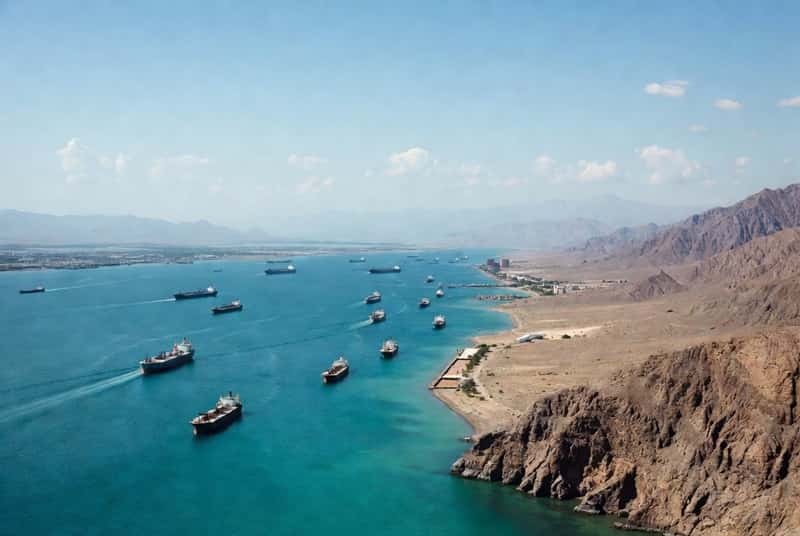
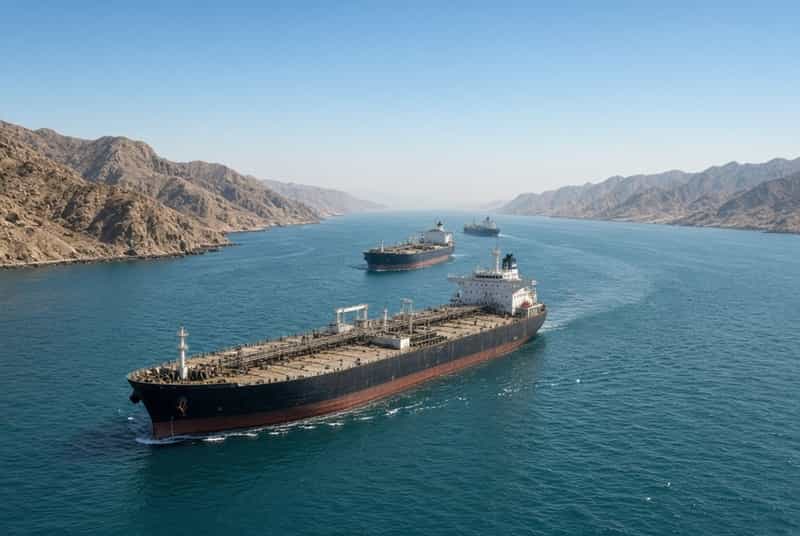
The Strait of Hormuz is one of the most important energy corridors in the world. Approximately 20 million barrels per day of crude oil and petroleum products passed through it during 2025, according to the International Energy Agency.
The navigable shipping channels are narrow, leaving tankers with limited room to avoid military activity, mines, drones or anti-ship missiles.
This means the economic impact of the confrontation is not determined solely by the number of Iranian barrels removed from the market.
A prolonged security crisis can also affect exports from Iraq, Kuwait, Qatar, Bahrain, Saudi Arabia and the United Arab Emirates. Some producers have pipelines that bypass the strait, but those alternatives cannot fully replace normal maritime capacity.
The greatest danger to energy markets is therefore not simply the loss of Iranian exports. It is the possibility that shipping through the entire Gulf becomes commercially or physically unviable.
Iranian oil revenue will face renewed pressure
Iran used the temporary easing of restrictions to accelerate oil exports. The Wall Street Journal reported on July 19 that Iran shipped approximately 70 million barrels during the brief truce, generating an estimated $5bn to $6bn in revenue, with much of the crude ultimately destined for China.
That temporary inflow may provide Tehran with a financial buffer. It does not eliminate the country’s longer-term vulnerability.
Oil exports generate foreign currency that Iran needs to pay for imports, support the rial and finance government spending. If tankers cannot load at Iranian terminals, export income will fall while the cost of obtaining foreign currency is likely to rise.
Iran may attempt to keep some oil moving through ship-to-ship transfers, intermediaries or vessels operating with limited tracking. Such methods can reduce the effectiveness of restrictions, but they become more difficult when access to the ports themselves is physically blocked.
The blockade could therefore be more disruptive than conventional financial sanctions alone.
Ordinary Iranians are likely to feel the pressure
The consequences will not be limited to the Iranian government or oil industry.
Reduced export revenue and restricted maritime imports can increase the cost of food, medicines, industrial components and consumer goods. Importers may also have to pay higher freight, insurance and currency-conversion costs.
Businesses are likely to respond by raising prices, limiting orders or delaying investment. Iranian manufacturers that depend on foreign machinery and intermediate goods could face production interruptions even when their products are unrelated to the military.
The burden will fall most heavily on households with limited savings. Higher food and transport costs consume a larger proportion of lower-income families’ earnings, while wages rarely adjust as quickly as prices.
The blockade may therefore deepen existing inequality while strengthening informal and black-market distribution networks.
Will global oil prices rise sharply?
A sustained increase is possible, but it is not automatic.
Oil prices react to several variables: the number of barrels physically removed from the market, the duration of the disruption, available commercial inventories, emergency reserves and expectations about future military escalation.
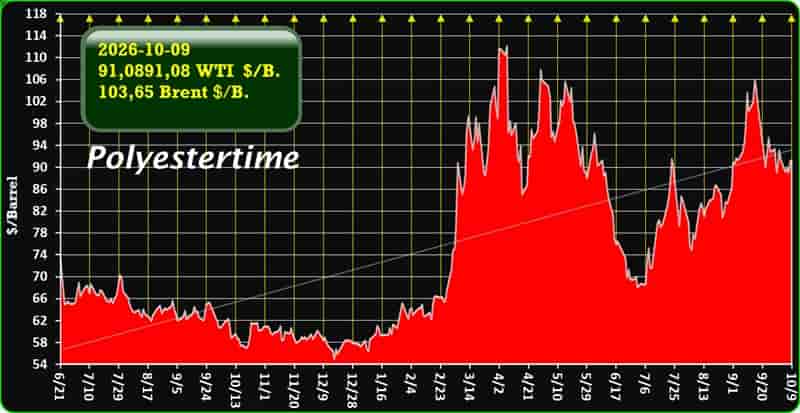
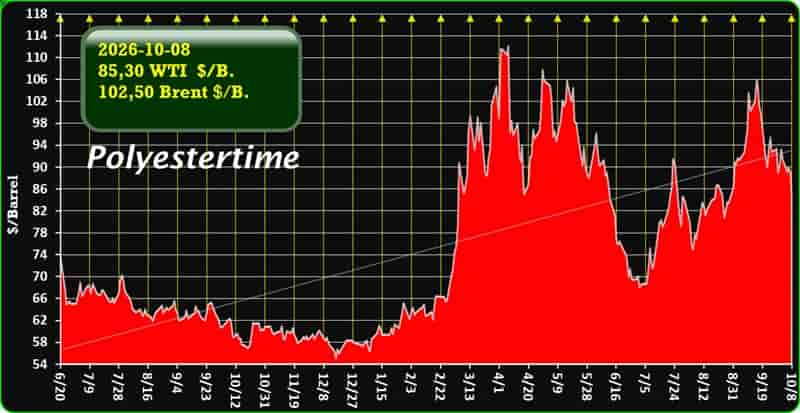
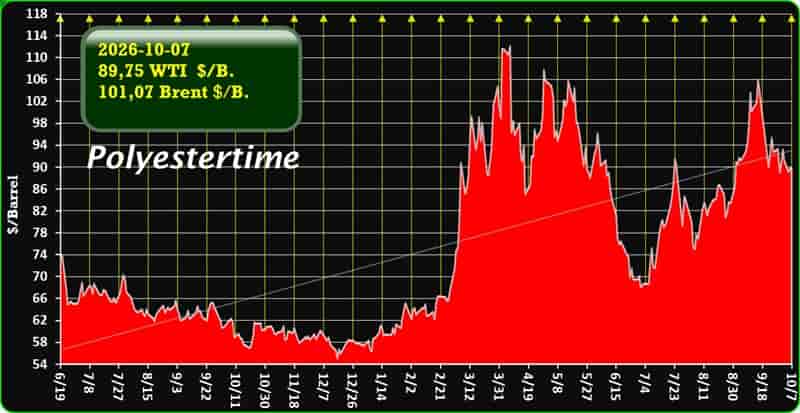
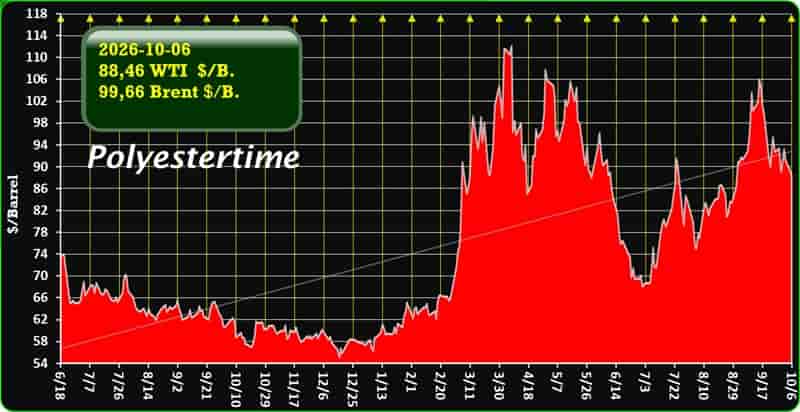
The International Energy Agency reported that benchmark prices had fallen to about $68 a barrel in early July as the interim ceasefire helped restore flows. The renewed hostilities have reversed that sense of stability and introduced another geopolitical risk premium.
Prices could rise much more rapidly if attacks close the strait for an extended period, damage major production facilities or prevent Gulf exporters from loading tankers.
Even without a complete closure, insurers may charge substantially higher premiums for vessels entering the region. Tanker owners may also demand higher freight rates or refuse voyages entirely. Those costs eventually reach refiners, manufacturers and consumers.
Countries that depend heavily on imported oil and liquefied natural gas would be particularly exposed.
The blockade may intensify rather than contain the conflict
Washington may view the blockade as a way to weaken Iran economically and force Tehran to accept new terms.
Iran, however, possesses several ways to increase the cost of the operation. These include attacks on commercial shipping, missile or drone strikes against regional infrastructure and threats to energy facilities belonging to US partners.
Recent fighting has already extended beyond Iranian territory. Associated Press reporting from July 17 and July 19 described attacks affecting Qatar, Kuwait, Bahrain and Jordan, alongside US strikes against Iranian military and transport infrastructure.
This creates a dangerous escalation cycle.
The more effectively the blockade restricts Iranian trade, the greater Tehran’s incentive may become to disrupt the exports of its neighbours. Further Iranian attacks could then produce additional US strikes, leading to even tighter restrictions.
Such a cycle could turn a blockade intended to create negotiating leverage into a driver of regional warfare.
Transport infrastructure could become increasingly important
Recent US strikes have expanded beyond missile launchers and coastal military systems.
Bridges and transport routes near Bandar Abbas and other strategically important areas have also been hit. The United States says its operations are intended to weaken Iran’s military capabilities and protect maritime navigation. Iran says civilian infrastructure has been damaged.
Disrupting roads, railways and port connections could make it harder for Iran to redirect trade towards overland routes through Central Asia, Turkey, Pakistan or the Caucasus.
However, attacks on dual-use infrastructure also increase humanitarian and economic risks. The same bridge can carry military equipment, commercial products, food and civilian passengers.
Damage to inland transport routes would therefore magnify the effects of the maritime restrictions. Iran naval blockade
Could another negotiated pause emerge?
Neither side appears to have abandoned diplomacy completely, but the political space for compromise is narrowing.
A new arrangement would probably have to address more than Iranian oil exports. It would also need to establish enforceable rules for commercial passage through the Strait of Hormuz, attacks on ships and the deployment of military forces near Iranian waters.
Any agreement would remain fragile without a credible mechanism for investigating alleged violations.
The latest truce collapsed amid competing claims over which side resumed hostilities first. Unless future arrangements define prohibited actions and create a way to verify incidents, another isolated attack could restart the confrontation.
What happens next?
Three developments will indicate whether the crisis is stabilising or expanding.
The first is commercial shipping activity. A continued fall in tanker traffic would show that maritime companies consider the risks unacceptable, regardless of official assurances.
The second is the scope of military targeting. Further attacks on ports, power plants, bridges or oil infrastructure would suggest that the campaign is moving beyond limited military pressure.
The third is Iranian retaliation outside the Strait of Hormuz. Strikes against regional export terminals, desalination facilities or other civilian infrastructure would greatly increase the possibility of a wider Gulf conflict.
For now, the most likely outcome is a period of intense economic and military pressure rather than a quick resolution.
Iran will lose revenue while its citizens face higher prices and growing uncertainty. Shipping companies will remain reluctant to enter contested waters. Energy markets will continue to price in the possibility of a much larger disruption.
The decisive question is no longer whether the Iran naval blockade can hurt Tehran’s economy. It can.
The more consequential question is whether that pressure produces negotiations—or convinces Iran that its strongest response is to make the economic cost global.
Strait of Hormuz: Tehran Studies Mechanism to Make Shipping Tolls Permanent
More…