Hormuz Reopened Eases Global Oil Price Collapse
Oil Price Collapse After Hormuz Reopened
Q1. Why did oil prices collapse after Hormuz reopened? Oil prices fell sharply because the reopening of the Strait of Hormuz immediately reduced supply‑risk premiums. With tankers able to move again, markets removed the geopolitical markup that had inflated crude prices, triggering a rapid downward correction.
Q2. How much oil passes through the Strait of Hormuz? Roughly one‑fifth of global oil supply moves through Hormuz. This makes it one of the most strategically important maritime chokepoints in the world and highly influential on price volatility.
Q3. Why do markets react so fast to geopolitical news? Modern oil markets are driven by a mix of human traders and algorithmic systems. When major geopolitical events occur, automated trading accelerates price movements within seconds, amplifying both upward and downward swings.
Q4. Does the reopening of Hormuz mean oil prices will stay low? Not necessarily. While the reopening removes immediate supply fears, short‑term prices still depend on diplomatic stability, shipping data, and inventory levels. Any renewed tension could quickly reintroduce volatility.
Q5. How does a drop in oil prices affect the global economy? Lower oil prices generally reduce inflationary pressure, lower transportation and production costs, and support consumer spending. However, they can also strain oil‑exporting economies that rely heavily on energy revenues.
Q6. What are the key factors to watch in the coming days? The most important indicators include regional diplomatic developments, tanker traffic through Hormuz, refinery demand, and weekly inventory reports from major consuming countries.
Q7. Are energy markets becoming less dependent on oil? Yes, but gradually. Renewable energy capacity is expanding, and efficiency improvements are reducing long‑term demand growth. However, oil remains essential for global trade, aviation, and heavy industry, so geopolitical shocks still have strong market impact.
Q8. How can investors manage risk during periods of high volatility? Investors typically monitor geopolitical signals, diversify across energy assets, and track real‑time shipping and inventory data. Many also use hedging strategies to protect against sudden price swings.
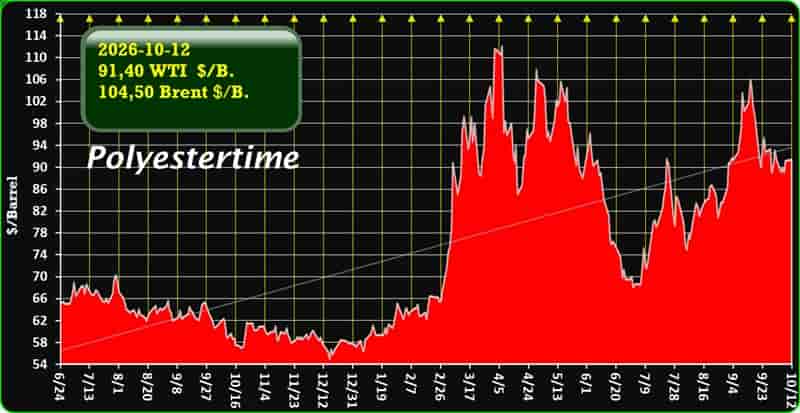
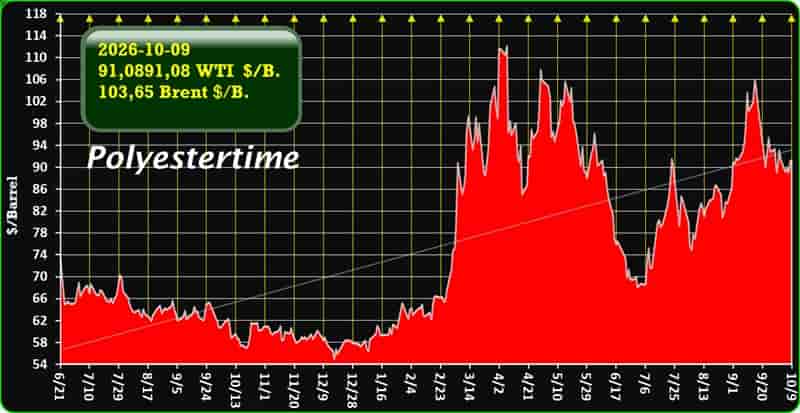
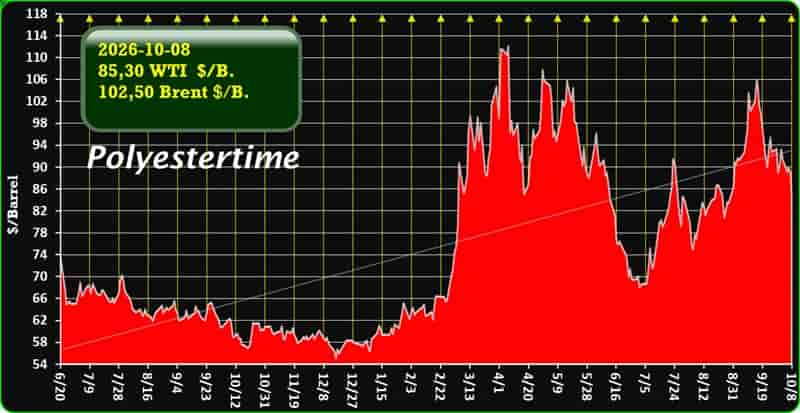
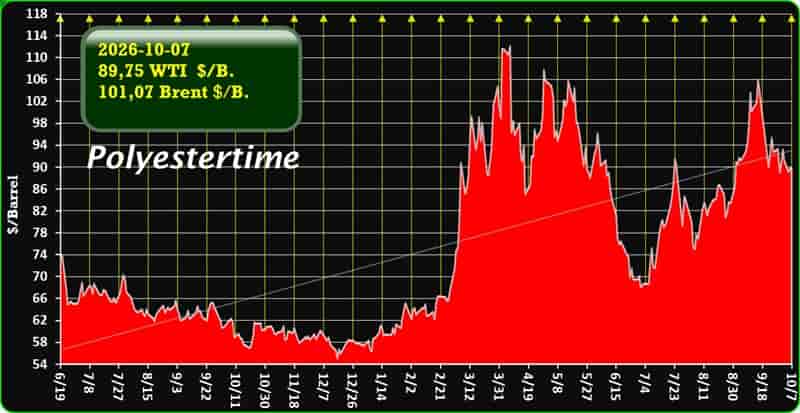
Oil markets on April 17, 2026 delivered one of the most dramatic intraday swings of the year. The sudden reopening of the Strait of Hormuz—one of the world’s most critical maritime chokepoints—triggered a rapid and steep decline in crude prices. For traders, analysts, and policymakers, the day offered a vivid reminder of how tightly global energy flows are tied to geopolitical events.
The Immediate Shock: Why Prices Fell So Fast
The Strait of Hormuz handles roughly one‑fifth of the world’s oil supply. Any disruption, even temporary, instantly raises concerns about shortages, shipping delays, and insurance costs. When the strait reopened, markets reacted with equal speed in the opposite direction.
The logic was simple:
-
Supply fears eased as tankers resumed movement.
-
Risk premiums evaporated, removing the geopolitical markup that had inflated prices.
-
Algorithmic trading accelerated the drop, amplifying the downward momentum.
Both WTI and Brent futures saw double‑digit percentage declines within minutes, a rare but not unprecedented move in high‑volatility geopolitical environments.
Market Sentiment Turns Cautiously Optimistic
Despite the sharp fall, the broader tone across energy markets shifted toward cautious optimism. Traders welcomed the return of predictable shipping routes, and refiners expressed relief at the stabilization of supply chains.
Several factors contributed to the improved sentiment:
-
Reduced shipping bottlenecks lowered logistical risks.
-
Improved diplomatic signals suggested a cooling of regional tensions.
-
Inventory levels remained healthy, preventing panic buying or hoarding.
This combination helped prices settle into a more stable range by the afternoon, even if volatility remained elevated.
Demand Signals Still Matter
While geopolitics dominated the day, underlying demand trends continue to shape the medium‑term trajectory of oil. As of mid‑April 2026, global consumption remains steady, supported by:
-
resilient industrial activity in Asia,
-
strong aviation demand,
-
and seasonal increases in transportation fuel use.
At the same time, energy efficiency improvements and renewable capacity growth continue to cap long‑term price expectations. This creates a push‑pull dynamic that keeps crude prices sensitive to short‑term shocks.
Why This Moment Matters for Energy Markets
The events of April 17 highlight several structural realities:
-
Oil remains deeply exposed to geopolitical risk, especially in chokepoints like Hormuz.
-
Market algorithms react instantly, magnifying both fear and relief.
-
Energy diversification efforts are accelerating, but oil still anchors global trade.
For policymakers, the episode reinforces the importance of supply security. For investors, it underscores the need to monitor geopolitical developments as closely as economic indicators.
Short‑Term Outlook: Where Prices May Head Next
In the coming days, oil prices are likely to move within a narrower band as markets digest the reopening of Hormuz and recalibrate risk premiums. Short‑term direction will depend on:
-
the durability of regional diplomatic progress,
-
updated shipping data from the strait,
-
and fresh inventory reports from major consuming nations.
If stability holds, prices may continue to drift slightly lower as supply concerns fade. However, any renewed tension could quickly reintroduce volatility.
For the global economy, a period of lower and more stable oil prices would ease inflationary pressure, support consumer spending, and reduce transportation costs. For energy markets, it offers a brief window of calm—one that could shift again just as quickly as it arrived.
Oil Price Holds Near $100 as Volatility Eases
More…