Strait of Hormuz tensions risk 3 shocks
Strait of Hormuz tensions are once again at the center of global attention, highlighting how a narrow maritime corridor can influence worldwide energy security and geopolitical stability
This strategic chokepoint, positioned between Iran and the Arabian Peninsula, handles nearly one-fifth of global oil consumption alongside significant LNG flows. Any disruption in this passage creates immediate ripple effects across markets, logistics, and diplomacy.
Why Strait of Hormuz tensions matter globally
The importance of Strait of Hormuz tensions lies in their direct connection to energy supply chains. Oil tankers and gas shipments passing through this corridor sustain major economies in Asia, Europe, and beyond. When instability rises, markets react instantly with price volatility, increased insurance costs, and logistical bottlenecks.
In 2026, Strait of Hormuz tensions have intensified due to renewed friction between Iran and the United States. These developments are not isolated events but part of a broader geopolitical contest involving sanctions, military positioning, and nuclear negotiations.
A cycle of disruption and fragile reopening
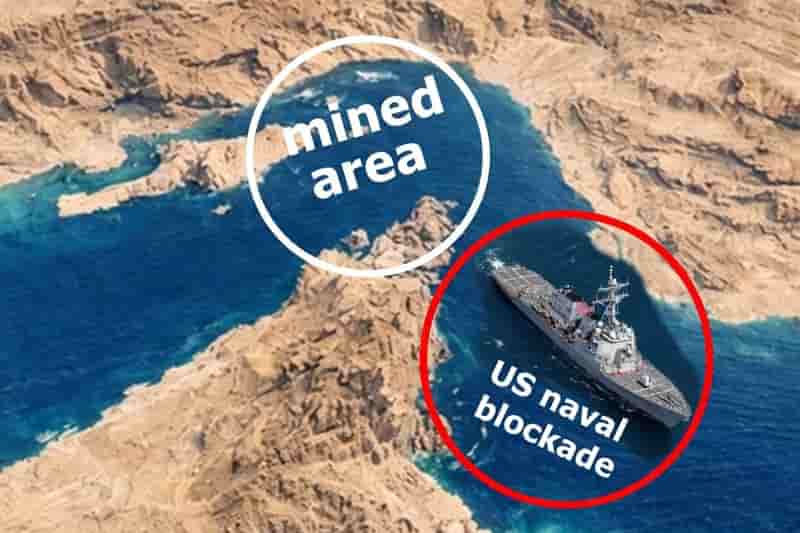
Recent months have seen a recurring pattern shaped by Strait of Hormuz tensions. Iran initially restricted maritime traffic, citing security threats and foreign interference. The United States responded by reinforcing its naval presence, framing the move as necessary to guarantee freedom of navigation.
A temporary easing followed through indirect diplomatic efforts, allowing partial reopening of the strait. During this brief window, shipping resumed under strict monitoring, and oil prices stabilized after initial spikes. However, this relief proved short-lived.
Strait of Hormuz tensions quickly escalated again when Iran reinstated restrictions, accusing the United States of maintaining coercive military pressure. The result is a stop-and-go maritime environment where uncertainty dominates and stability remains elusive.
U.S.–Iran negotiations under pressure
Diplomatic engagement continues, but Strait of Hormuz tensions complicate progress. Negotiations are taking place indirectly through intermediaries, with regional actors facilitating dialogue. Despite occasional optimism, no comprehensive agreement has emerged.
For Washington, maintaining open sea lanes is non-negotiable. For Tehran, control over the strait represents both sovereignty and leverage against economic sanctions. These opposing priorities ensure that Strait of Hormuz tensions remain deeply embedded in broader strategic calculations.
Domestic political pressures in both countries further constrain flexibility. Leaders must balance diplomatic compromise with internal expectations, making rapid breakthroughs unlikely.
Core issues driving the conflict
Several unresolved factors sustain Strait of Hormuz tensions and prevent a lasting resolution.
The first is military presence. The U.S. naval deployment in the region is viewed by Iran as a direct threat, while the United States considers it essential for maritime security. This fundamental disagreement continues to fuel escalation.
The second issue is economic sanctions. Iran seeks relief to revive its oil exports and economy, but the United States links any concessions to behavioral changes, particularly regarding nuclear commitments. This creates a persistent deadlock.
The third factor is Iran’s nuclear program. Concerns over uranium enrichment and monitoring remain central to Western policy, while Iran insists on its right to civilian nuclear development. This dispute intersects directly with Strait of Hormuz tensions.
Finally, control over maritime transit remains contentious. International law supports free passage, yet Iran periodically challenges this principle in response to perceived threats, reinforcing instability.
Impact on energy markets and global trade
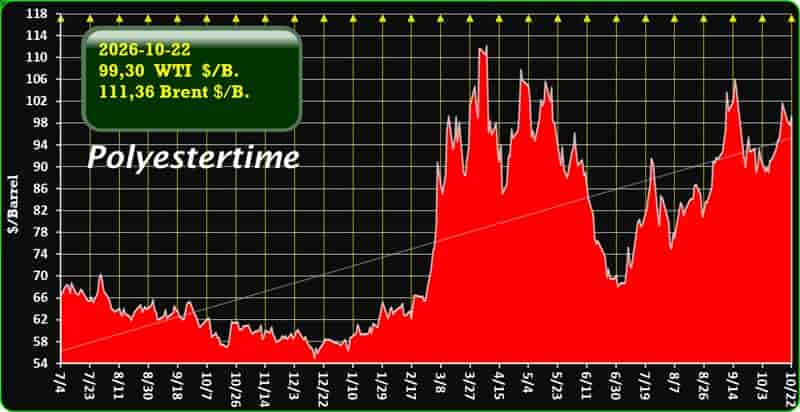
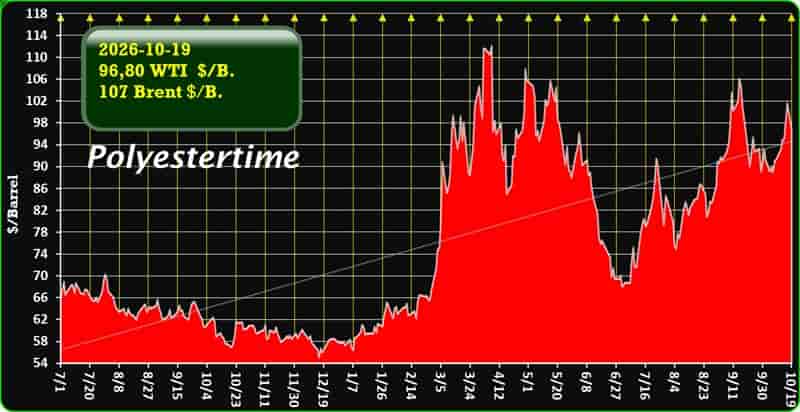
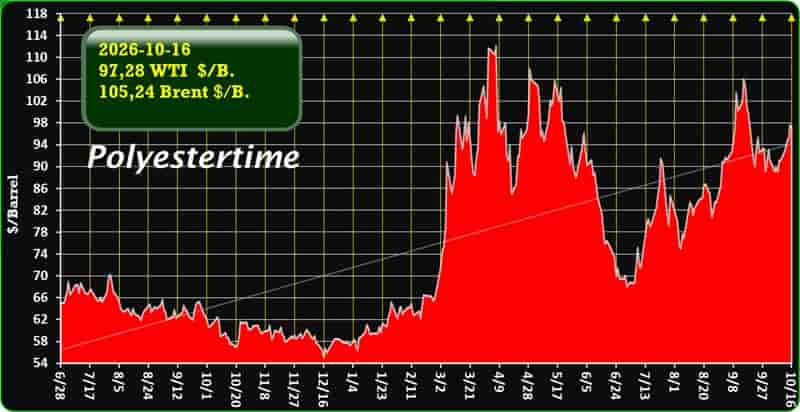
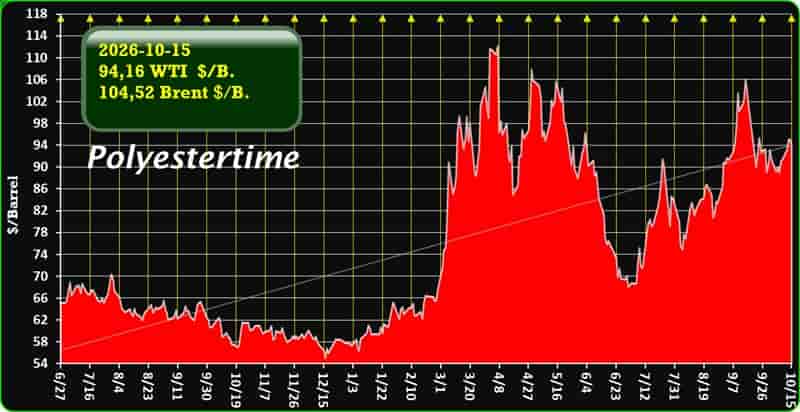
Strait of Hormuz tensions have immediate economic consequences. Oil prices fluctuate sharply, often driven more by uncertainty than actual supply shortages. Even short disruptions increase risk premiums and trigger speculative trading.
Shipping costs have surged as insurers adjust to higher risks. Tanker operators face difficult decisions, including rerouting or delaying shipments, which adds inefficiencies to global supply chains.
The broader implications extend beyond energy. Strait of Hormuz tensions affect global trade flows, influencing manufacturing and commodity markets. Regional stability is also at risk, as overlapping conflicts increase the likelihood of miscalculation.
Countries heavily dependent on energy imports are reassessing strategies. Diversification, alternative routes, and long-term energy transitions are gaining urgency due to persistent instability in the region.
Future scenarios and strategic risks
Several possible outcomes could shape the evolution of Strait of Hormuz tensions.
A managed de-escalation scenario would involve limited agreements, potentially linking sanctions relief to maritime guarantees. This could stabilize markets temporarily but would not resolve underlying disputes.
A prolonged stalemate appears more likely in the near term. In this scenario, Strait of Hormuz tensions continue through intermittent disruptions and fragile diplomatic efforts, maintaining a high-risk environment.
Escalation remains a serious concern. A direct confrontation or accidental incident could trigger broader conflict, severely impacting global energy supplies and drawing in regional actors.
Over the long term, persistent Strait of Hormuz tensions may accelerate structural changes. Investments in alternative pipelines and renewable energy could reduce dependence on this chokepoint, although its strategic importance will not disappear entirely.
Conclusion
Strait of Hormuz tensions illustrate how energy security, geopolitics, and diplomacy are tightly interconnected. While immediate disruptions have been partially managed, the fundamental issues remain unresolved.
The balance between deterrence and negotiation will determine whether stability improves or volatility becomes the norm. For global markets and policymakers, managing the risks associated with Strait of Hormuz tensions is now a critical priority in an increasingly uncertain international landscape.
Hormuz Reopened Eases Global Oil Price Collapse
More….