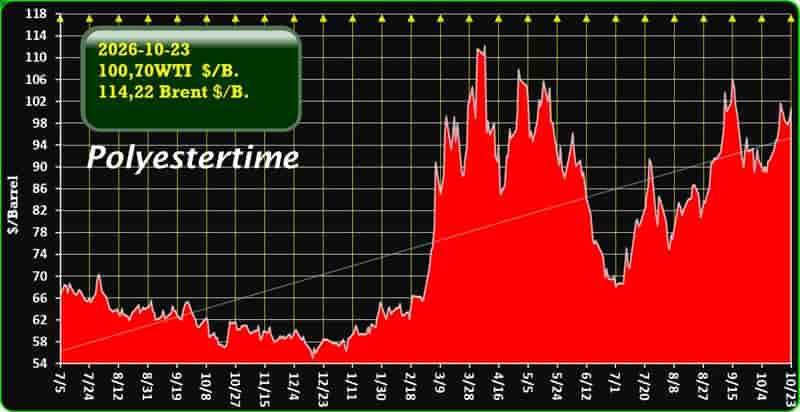
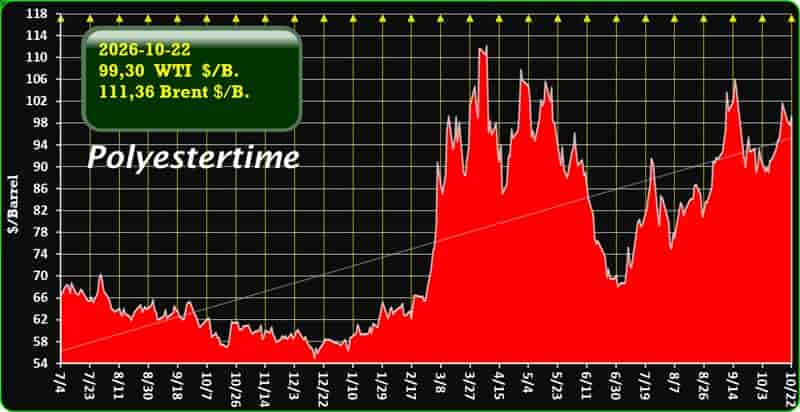
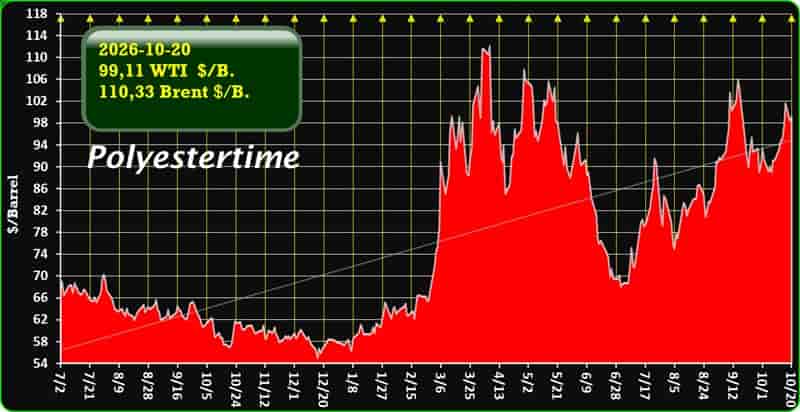
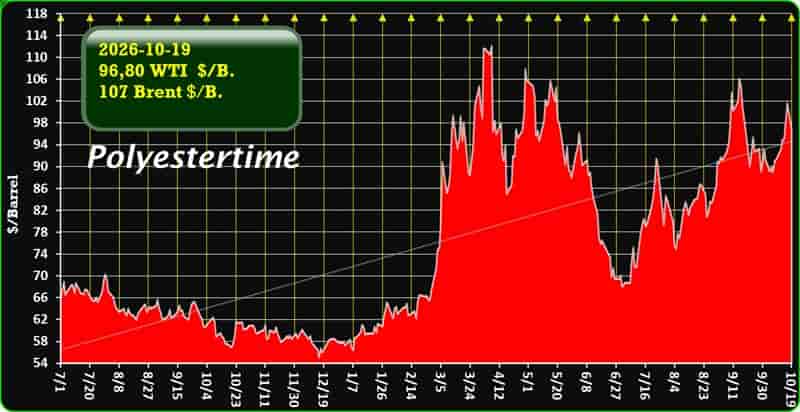
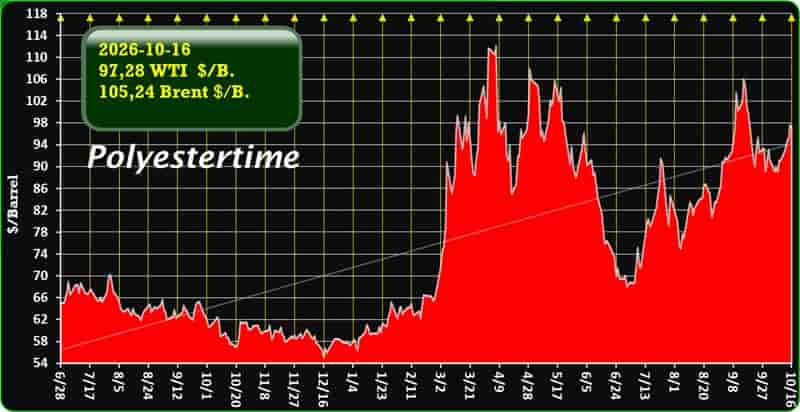
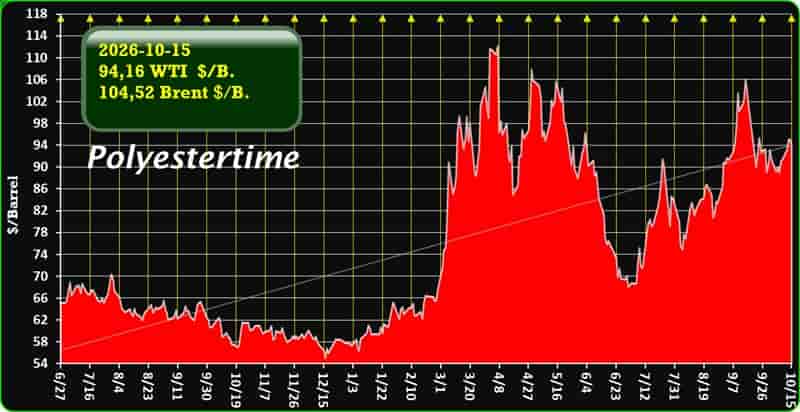
Oil Price Slips Below Key Threshold on December 19, 2025 with Brent at $59.76 and WTI at $55.94 Amid Global Oversupply and Weak Demand 19-12-2025 - Archive
📊 Oil Price Today — December 19, 2025
On December 19, 2025, global oil prices remained under pressure with **Brent crude trading at approximately $59.65 per barrel and **WTI at $55.83 per barrel. These figures reflect continued downward sentiment across energy markets as oil price trends respond to evolving supply and demand dynamics. Investing.com Italia+1
| Benchmark | Price (USD/Barrel) | Change Trend |
|---|---|---|
| Brent Crude | 59.76 | Slightly Lower |
| WTI Crude | 55.94 | Slightly Lower |
🛢️ Key Drivers Behind Today’s Oil Price Movements
Understanding the current oil price requires looking at a blend of market forces:
⚖️ 1. Supply Glut Continues to Weigh Heavily
Market data shows that persistent oversupply concerns are overshadowing potential geopolitical risks. Traders are increasingly focused on a growing glut that has dampened prices despite ongoing tensions in key regions. Investing.com
-
Supply surplus is evident with rising stocks of crude oil aboard tankers and inventories in key hubs. Reuters
-
Global markets are pricing supply expansion ahead of demand, especially with U.S. output robust and OPEC+ production steady.
This oversupply pressure is the principal force keeping oil price near recent lows.
🌍 2. Geopolitics vs. Market Reality
While geopolitical headlines often move oil markets, their impact sometimes gets muted when supply conditions dominate:
-
Earlier optimism over potential peace talks between Russia and Ukraine briefly pressured Brent below $60. OilPrice.com
-
Reports of sanctions or tanker blockades involving Russia and Venezuela created short-term support, but were insufficient to reverse broader downward pricing pressure. Reuters
In today’s environment, geopolitical developments tend to add noise to oil price signals rather than drive sustained trends.
📉 3. Weekly Price Performance and Market Sentiment
Oil markets are positioned to close lower for the second consecutive week, reflecting weak demand expectations and persistent surplus concerns. Global Banking | Finance
📊 Weekly Snapshot:
-
Brent futures slightly down week-over-week
-
WTI similarly easing lower
Technical analysts view this continuation of the downtrend as a sign that buyers are hesitant amid lackluster economic demand in key importing regions.
📌 What This Means for Markets and Consumers
🛠️ For Energy Traders & Investors
-
Short-term bearish sentiment dominates oil price expectations.
-
Technical levels suggest key resistance near $60 and potential continuation of the slide if global demand remains weak. FOREX24.PRO
🚗 For Businesses & End Consumers
-
Lower crude prices can translate into softer fuel costs in some regions.
-
However, refining and distribution margins, geopolitical taxes, and currency fluctuations still influence final retail price changes.
🔍 Broader Economic Context
Global economic indicators — including slower industrial output and shifts in currency valuations — play important roles in oil price movements. For example:
-
Analysts link lower crude prices to softening demand in parts of Asia and Europe.
-
Commodity markets are showing differential performance, with metals like silver outperforming crude recently — a notable shift in traditional commodity hierarchies. The Economic Times
Central bank decisions and employment trends also feed into energy demand expectations, indirectly shaping oil pricing.
📈 Outlook: What’s Next for Oil Prices?
According to several forecasts:
-
Oil prices may remain under pressure through late 2025 if current oversupply conditions persist.
-
Structural factors such as production levels, OPEC+ policies, and macroeconomic growth forecasts will be decisive for price direction in 2026. Reuters
Investors and analysts are watching:
-
OPEC+ output decisions
-
Economic demand signals from Asia
-
U.S. shale production changes
-
Geopolitical risks that could tighten supply unexpectedly
📌 Final Takeaways for Web Readers
Today’s oil price story — with Brent near $59.76 and WTI at $55.94 — underscores how oversupply and weak demand expectations dominate crude markets, even amid geopolitical developments. For businesses, investors, and consumers alike, understanding the interplay of these forces is essential to anticipating future price direction.