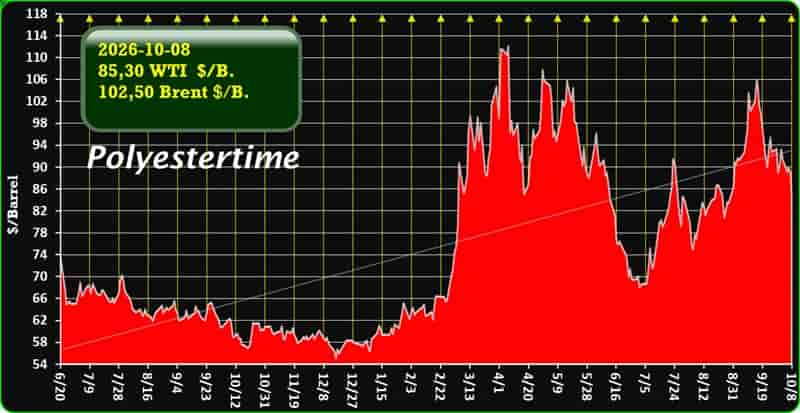
Oil Price Pressures Mount as Brent Nears $63.11 and WTI Around $58,86: Oversupply Concerns, Weak Demand, and Geopolitical Risks Keep Markets on Edge 12-01-2025
📉 Global Oil Price Trends — January 12, 2026
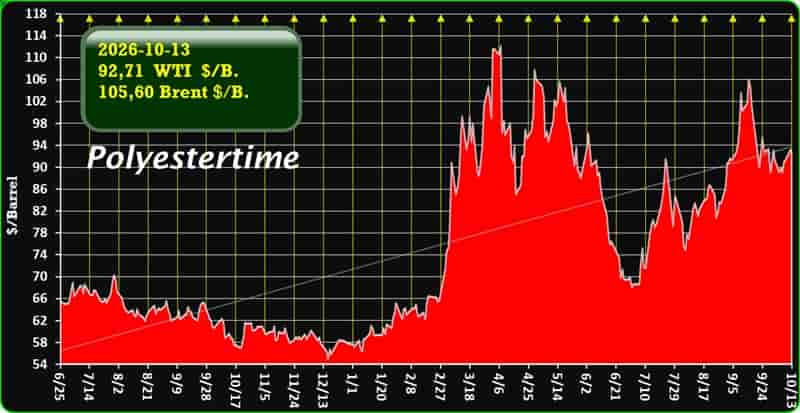
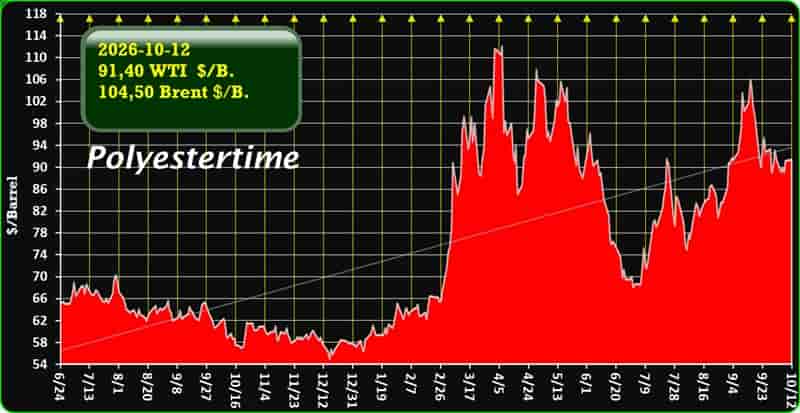
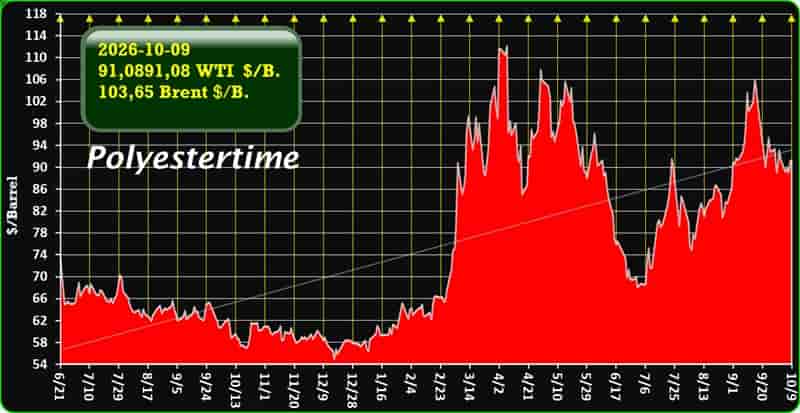
As of January 12, 2026, global crude benchmarks are trading modestly above key psychological levels, with Brent crude around $63.11 per barrel and WTI near $58,86 per barrel. These levels reflect a market balancing between persistent supply growth and sporadic geopolitical jitters, ultimately creating a cautious environment for traders and investors.
Despite these prices being significantly higher than where futures averaged in late 2025, both benchmarks remain under pressure, with analysts forecasting a continued trough in oil markets in 2026 due to a growing supply surplus.
📊 Oil Price Table — Benchmark Movements
| Metric | Current Level | Change Trend |
|---|---|---|
| Brent Crude | ~$63.11/b | Modest gains, range-bound |
| WTI Crude | ~$58,86/b | Sideways with slight upside |
| Goldman 2026 Average Forecast (Brent) | ~$56/b | Lower expected |
| Goldman 2026 Average Forecast (WTI) | ~$52/b | Lower expected |
Note: Current oil price reflects market conditions on January 12, 2026, influenced by supply, demand, and geopolitics.
🛢️ What’s Driving Today’s Oil Price?
1. Supply and Demand Dynamics
A central theme for the oil price in 2026 is the risk of oversupply:
-
Major investment banks, including Goldman Sachs, warn that global oil production could exceed demand by millions of barrels per day, creating stock builds and downward pressure on prices.
-
Both OPEC and independent producers have boosted output in response to competitive market pressures — a move that, while intended to defend market share, adds to surplus concerns.
-
Demand growth is steady but not strong enough to absorb expanding supply, partly due to energy efficiency gains and shifts toward renewable energy.
This imbalance suggests structural reasons why global crude inventories may grow and underpin a subdued oil price outlook.
2. OPEC+ Actions and Market Influence
OPEC+ has opted for a cautious production stance:
-
The group paused planned production increases for the first quarter of 2026, aiming to provide some price support in a market facing oversupply fears.
-
Recent data show uneven production trends among OPEC members, with output declines in Iran and Venezuela partly offsetting increases elsewhere.
These policy nuances are crucial — the oil price reacts not only to headline output figures but also to compliance and execution by member states.
3. Geopolitical Events
Geopolitics continues to play a role in short-term price moves:
-
Escalating unrest in Iran, including reported protests and threats to oil infrastructure, has lifted risk premiums, supporting modest gains in crude prices.
-
However, broader geopolitical risk has not yet translated into large supply disruptions, keeping a lid on sustained price rallies.
Thus, while geopolitical risk adds volatility, it hasn’t decisively reversed the broader oversupply trend.
4. Investor Sentiment and Market Psychology
Investor sentiment is mixed:
-
Short-term trading factors — like geopolitical risk or inventory reports — can trigger price spikes, but strategic investors are wary of the persistent oversupply narrative.
-
Forecasts showing lower average prices for 2026 encourage some traders to position defensively, while others watch for bullish surprises from supply disruptions or stronger demand.
This blend of cautious optimism — and lingering bearish fundamentals — keeps the oil price somewhat range-bound.
📈 What This Means for the Global Economy
Short-Term Outlook
Many analysts forecast that the oil price could trend lower through 2026:
-
Some scenarios see Brent dipping into the mid-$50s and WTI toward the low $50s later this year, reflecting tightening profit margins for oil producers.
-
However, risks such as Middle East instability or sanctions-related supply interruptions could limit downside.
Economic Impact
-
Consumers: Lower crude prices generally translate into softer fuel costs, easing inflationary pressures in many economies.
-
Oil Exporters: Countries reliant on energy revenues may face budget strains if prices remain subdued.
-
Energy Transition: Persistent oversupply may accelerate shifts toward alternative energy sources as oil companies adjust investment strategies.
📌 Conclusion — Where Oil Prices May Head
The oil price trend at this midpoint of January 2026 reflects a market caught between oversupply pressures and episodic geopolitical risks. While Brent and WTI maintain support around current levels, fundamental drivers suggest a continued challenge for upward momentum unless demand strengthens or supply is materially constrained.
In the short term, expect a range-bound oil price landscape, influenced by inventory data, OPEC+ signaling, and geopolitical headlines — with broader implications for consumers, producers, and energy markets worldwide.
More….Goldman projects lower oil prices in 2026 as supply swells