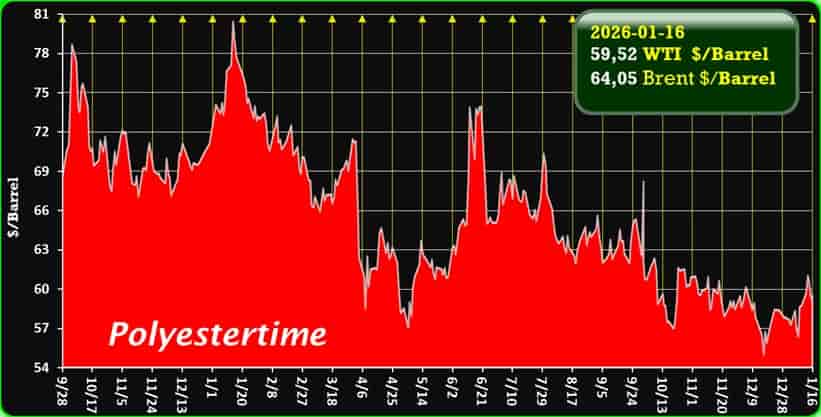
📉 Oil Prices Retreat as Geopolitical Fears Ease and Supply Signals Dominate: Brent at ~$64.05, WTI Near $59.52 – Market Heads Toward Range-Bound Trading 16-01-2026
📊 Oil Price Snapshot (January 16, 2026)
| Benchmark | Approx. Price (Jan 16) |
|---|---|
| Brent Crude | ~$64.05 / barrel |
| WTI Crude | ~$59.52 / barrel |
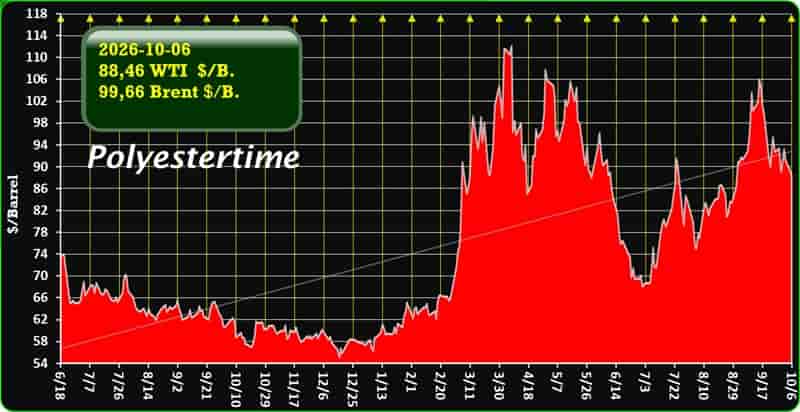
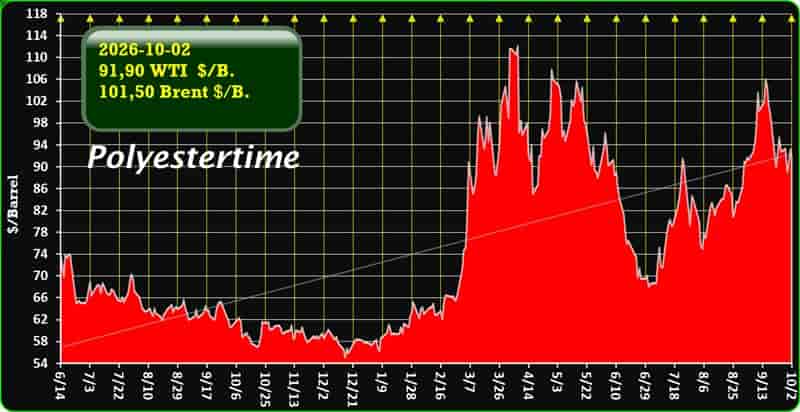
On January 16, 2026, Brent and WTI have edged slightly lower as acute geopolitical fears ease and supply considerations regain focus. Both benchmarks had earlier hit multi-month highs but retreated as market risk premiums declined.
🛢️ Today’s Oil Price Movements – What’s Happening?
Over the past few sessions, oil prices rallied amid worries about supply disruption — particularly tied to unrest and protests in Iran and the potential for a U.S. military response. However, as these tensions have cooled, the risk premium on crude has sharply lessened. Statements from U.S. leadership suggesting a lower likelihood of military action prompted a pullback in prices.
Brent and WTI both saw their rally fade, with Asian market trading extending recent losses. While prices are still elevated relative to recent months, the momentum has clearly softened as geopolitical risk factors diminished.
📉 Key Factors Driving Today’s Market
🔹 Global Supply and Demand Balance
Global markets still face concerns around oversupply, as production from major exporters plus U.S. shale output have kept barrels flowing even as demand growth has been moderate. Weekly inventory builds and reported stockpile increases have further signaled that supply remains plentiful. This backdrop tempers bullish sentiment and caps sharp price moves.
Meanwhile, demand growth — especially from major consumers like China — remains less robust than markets had hoped, keeping oil price upside limited. Analysts point to a scenario where demand continues to rise slowly but is insufficient to outpace strong production.
🔹 OPEC+ Actions and Influence
OPEC+ has largely maintained disciplined production levels, avoiding abrupt shifts that would roil markets. Despite this, the consistent output has done little to significantly tighten global balances, especially with producers outside the cartel maintaining high levels of supply.
Investor attention remains focused on future OPEC+ meetings for any potential signal of output adjustments that could influence prices beyond the current range.
🔹 Geopolitical Developments
Recent political developments, especially linked to Iran, briefly lifted prices due to fears of supply disruption — given Iran’s role in global oil flows — but those pressures have softened as diplomatic language prevailed. The fading market fear of a U.S. strike on Iran has directly contributed to the recent pullback in oil price.
Geopolitical factors continue to matter; any sudden escalation in the Middle East, or disruptions elsewhere, could trigger renewed volatility in energy markets.
📊 Investor Sentiment and Market Psychology
Investor sentiment is currently cautious and somewhat ambivalent. Traders are balancing:
-
The fading geopolitical risk premium
-
Oversupply risks as inventories climb
-
A lack of clear demand acceleration signals
This blend of factors is leading to range-bound trading — wherein Brent and WTI move within defined price bands rather than trending sharply in one direction. Technical traders note the lack of decisive momentum in either direction, reinforcing the idea that the market is waiting for a fresh catalyst.
📈 Oil Price Trend Influences – Quick Summary Table
| Market Driver | Current Influence |
|---|---|
| Geopolitical Risks | Temporary boost fading |
| Supply Levels | Strong, adding downward pressure |
| Demand Growth | Moderate, not strong enough to push prices up |
| OPEC+ Signaling | Neutral to mildly supportive |
| Investor Sentiment | Cautious, range-bound |
🔮 Short-Term Outlook: Where Could Oil Prices Head?
In the near term, oil price action is expected to stay within a $58–$68 range for Brent and $55–$62 range for WTI, unless a fresh catalyst — such as sudden geopolitical escalation, meaningful supply cut announcements, or stronger-than-expected demand data — emerges.
Analysts emphasize that risk remains skewed to the downside due to persistent oversupply and the potential for inventories to rise further, especially if OPEC+ refrains from aggressive cuts.
🌍 What This Means for the Global Economy and Energy Markets
Consumers may experience relatively stable fuel prices, easing inflationary pressures in many economies — beneficial for household budgets and transport sectors.
Producers and oil-dependent economies may face tighter fiscal environments where revenues struggle to expand unless prices rise sustainably.
Investors will continue to monitor inventories, geopolitical flashes and OPEC+ communications for signs of a breakout from the current range.
In summary, today’s oil price trend reflects a market recalibrating from short-term geopolitical spikes to a broader supply/demand balance narrative. Prices may remain choppy and “range-bound” in the short term, with broader global economic outcomes hinging on evolving demand growth and production discipline.
More…