Oil Price Rebounds on Geopolitical Tensions and Supply Discipline, but Downside Risks Still Shadow Global Markets 04-02-2026

Oil Price Today: Brent and WTI Extend a Modest Recovery
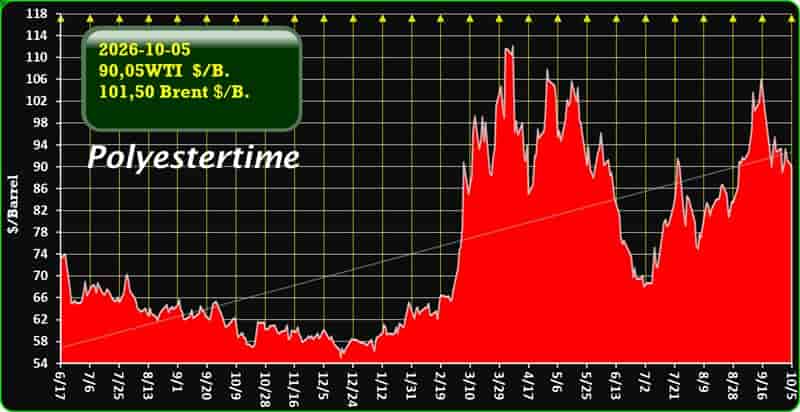
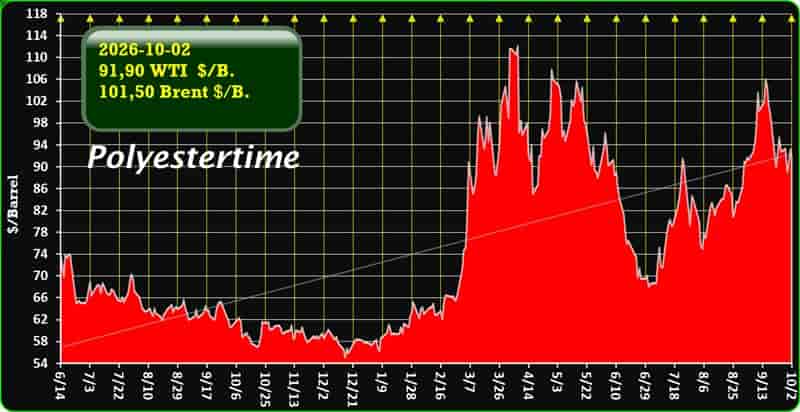
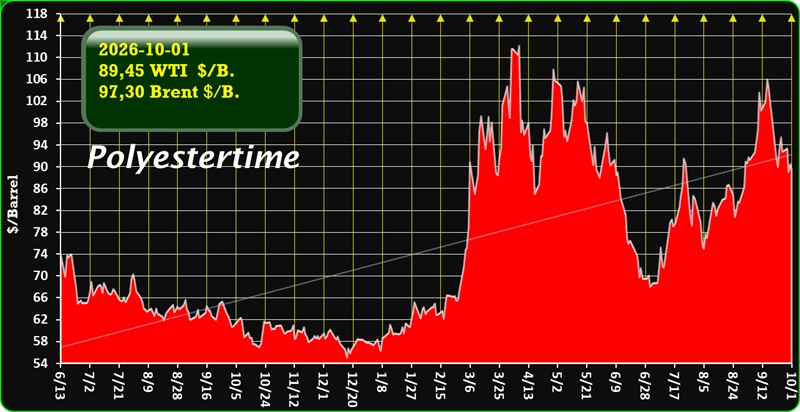
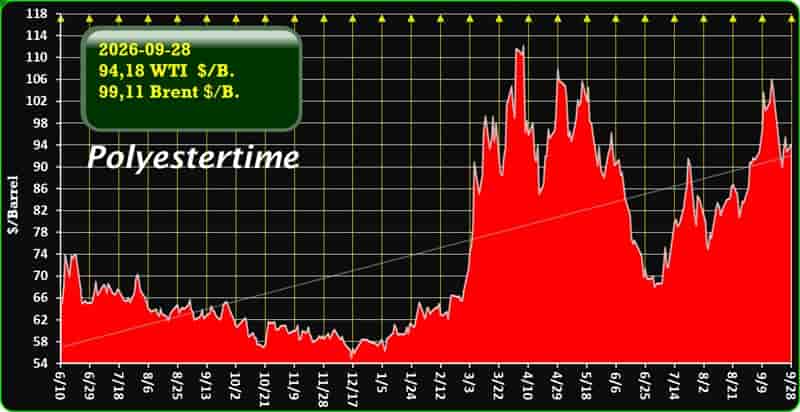
The crude prices showed renewed strength on February 7, 2026, with both major benchmarks posting gains after several volatile sessions. Brent crude traded around $67.68 per barrel, while WTI hovered near $63.60 per barrel, reflecting a market caught between geopolitical risk premiums and persistent macroeconomic caution.
This rebound follows reports of rising tensions in key Middle Eastern shipping corridors, echoing recent headlines where security incidents involving Iranian-linked forces raised concerns over potential disruptions to crude flows. While no major supply outages have materialized, traders have reintroduced a geopolitical buffer into the oil price.
Key Benchmark Snapshot (February 7, 2026)
| Benchmark | Price (USD/b) | Daily Trend | Weekly Context |
|---|---|---|---|
| Brent Crude | ~$67.68 | ▲ Moderate gain | Recovering from recent lows |
| WTI Crude | ~$63.60 | ▲ Moderate gain | Tracking Brent, slightly discounted |
Table optimized for mobile readability and fast rendering.
What Is Driving the Crude Price Today?
1. Geopolitical Risk Returns to the Forefront
The most immediate catalyst behind today’s oil price movement is renewed geopolitical tension in the Middle East. Reports of U.S. military action against Iranian drones and increased monitoring of armed vessels in strategic waterways have reignited fears over maritime security.
Even limited incidents tend to influence the crude price disproportionately, as traders price in worst-case scenarios affecting the Strait of Hormuz and Red Sea transit routes—arteries for global crude supply.
2. OPEC+ Maintains a Tight Supply Stance
OPEC+ continues to play a stabilizing role in the crude price. The group has reiterated its commitment to disciplined output management, keeping voluntary cuts in place amid uncertain demand growth.
Saudi Arabia and its Gulf allies have signaled they are willing to act swiftly should prices weaken further, reinforcing a perceived price floor near current levels. This supply discipline is preventing sharper downside moves in the oil price despite fragile consumption indicators.
3. Demand Signals Remain Mixed
On the demand side, the oil price faces headwinds from uneven global economic data. While U.S. labor markets remain resilient, manufacturing activity across Europe and parts of Asia continues to underperform.
China’s recovery, in particular, remains inconsistent. Incremental stimulus measures have supported fuel consumption, but traders remain unconvinced that demand growth will accelerate strongly enough to justify a sustained oil price rally.
4. Financial Markets and Investor Positioning
Investor sentiment toward the oil price has improved modestly, with hedge funds and institutional traders trimming bearish bets after recent declines. However, positioning remains cautious, reflecting uncertainty around interest rate policy and global growth trajectories.
A stronger U.S. dollar earlier in the week briefly pressured the oil price, though its impact has faded as geopolitical narratives regained dominance.
Why This Oil Price Level Matters for the Global Economy
An oil price in the mid-$60 range carries mixed implications:
-
For consumers: It limits inflationary pressure on fuel and transport costs.
-
For producers: It challenges high-cost output, especially in non-OPEC regions.
-
For policymakers: It offers breathing room on inflation while still supporting energy investment.
For emerging economies dependent on oil imports, today’s oil price provides relative stability compared to the volatility seen in recent years.
Short-Term Outlook: Where Could the Oil Price Go Next?
Looking ahead, the oil price is likely to remain range-bound, with Brent fluctuating between $65 and $70 per barrel in the near term. Upside risks stem from escalating geopolitical tensions or stricter OPEC+ enforcement, while downside risks hinge on weaker-than-expected demand or renewed financial market stress.
In the absence of a major supply shock, the oil price may struggle to break decisively higher. However, persistent geopolitical uncertainty suggests that sharp declines could also be limited.
Bottom Line
The oil price rebound seen on February 7, 2026, underscores how quickly sentiment can shift in energy markets. While structural demand concerns remain, geopolitics and supply discipline are once again asserting influence. For now, oil markets appear balanced—but fragile—making the coming weeks critical for price direction and broader economic implications.