Oil Price Slips as Geo-Political Risks Ease and Supply Concerns Diminish – Brent at ~$68, WTI Near $64 Reflect Ongoing Market Balance Uncertainties and Demand Pressures 05-02-2026
Global Oil Price Trends – February 5, 2026
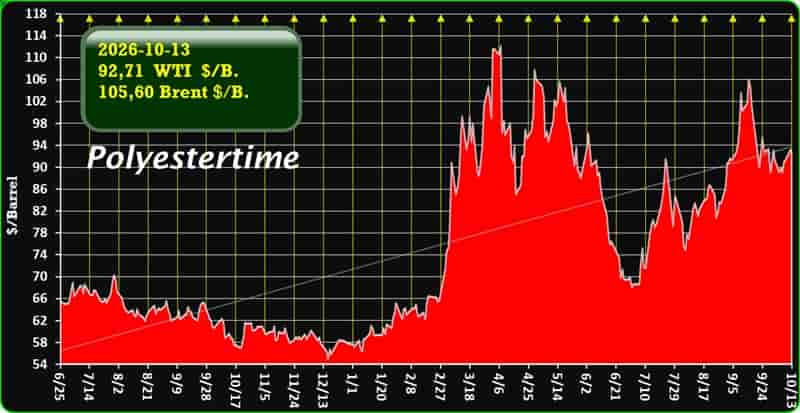
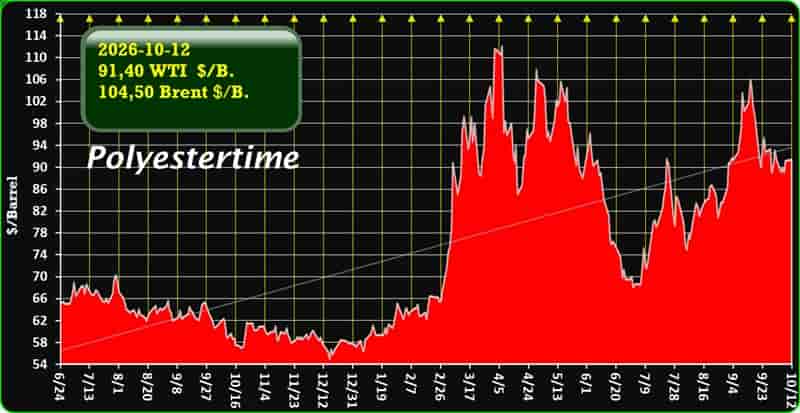
As of February 5, 2026, the global oil price landscape shows a modest pullback following a period of geopolitical uncertainty and supply concerns. Brent crude is trading near $68.18 per barrel, while U.S. benchmark WTI sits at approximately $63.95 per barrel — both modestly below recent peaks seen earlier in late January and early February.
These levels reflect a complex interplay of geopolitical developments, macroeconomic data, supply/demand forecasts, and investor sentiment that continues to shape market behavior in early 2026.
Price Snapshot – Brent & WTI (Feb 5, 2026)
| Benchmark | Price (Approx) | Trend Last Week |
|---|---|---|
| Brent Crude | $68.18/b | Slightly lower after recent peak |
| WTI Crude | $63.95/b | Pullback from multi-month highs |
Source: TradingEconomics & OilPrice.com data
Key Drivers Behind Today’s Oil Price Movements
1. Geopolitical Developments & Supply Risk Premiums
One of the dominant short-term drivers has been U.S.-Iran negotiations. Recent comments from U.S. leadership suggesting serious diplomatic engagement with Tehran have eased fears of imminent supply disruptions out of the Middle East. Earlier in the week, oil prices had slipped sharply after indications that U.S. and Iran were moving toward talks, removing some of the geopolitical risk premium that had supported higher prices.
Markets had previously priced in a heightened risk of disruption to exports through the Strait of Hormuz — a strategic chokepoint for nearly 20% of global crude flows. As tensions ease and potential conflict is de-risked, traders have reduced the precautionary pricing component embedded in oil futures.
2. OPEC+ Policy and Supply Balance
OPEC+ producers have maintained a cautious approach, opting to keep output levels steady through March after a pause in planned production increases. While this discipline has supported prices after supply growth in 2025, the absence of new cuts has also capped price gains amid still-ample supply.
OPEC+ decisions remain central to forecasts, with markets watching for any shift in quotas when the group reconvenes. Continued restraint in production could help sustain prices, while an earlier-than-expected easing could push them lower.
3. Supply & Demand Fundamentals
According to the U.S. Energy Information Administration (EIA), global oil production has outpaced consumption growth through late 2025, contributing to inventory builds that weigh on prices. Despite demand growth expected to rise gradually, supply surplus — particularly from U.S. shale and non-OPEC producers — continues to buffer upward price pressure.
Regionally, Chinese strategic stockpiling and seasonal consumption patterns in Asia offer intermittent support, but overall supply growth remains a headwind for the oil price.
4. Macroeconomic & Investor Sentiment
Investor sentiment has shifted alongside broader financial markets. Softening commodity prices — including metals — and recession fears tied to persistent tariffs and slowing global growth have pressured risk assets, including energy futures.
Economic indicators such as manufacturing data and PMI releases are closely watched by traders for signs of fuel demand resilience. Weak macro data can dampen crude demand expectations and tilt sentiment toward bearish positions.
Investor Sentiment Snapshot
-
Bullish Factors:
-
Continued geopolitical risk potential.
-
OPEC+ supply discipline.
-
Emerging market demand growth.
-
-
Bearish Factors:
-
Easing Middle East tensions reducing risk premium.
-
Rising inventories and supply surplus projections.
-
Global economic headwinds impacting fuel consumption.
-
Short-Term Outlook
Over the coming weeks, oil price momentum is likely to remain sensitive to news flow:
-
If diplomatic progress with Iran and other geopolitical hotspots continues, the risk premium will likely stay compressed, keeping prices near current levels or slightly lower.
-
Conversely, any renewed tensions or supply disruptions (e.g., outages in key producing regions) could quickly lift prices higher.
-
Demand indicators – particularly from China, India, and the U.S. – will be significant for short-term direction.
Analyst forecasts broadly anticipate a range-bound environment for Brent and WTI in Q1 2026. Technical levels near $70 for Brent and mid-$60s for WTI appear to be key resistance if bullish catalysts reemerge.
What This Means for the Global Economy
Stable or modestly softer oil prices can be positive for oil-importing economies by reducing inflationary pressure and transportation costs. However, prolonged weakness may challenge budget balances for producing nations dependent on crude revenue.
For manufacturers and consumers, lower energy costs could support spending. Meanwhile, energy sector investment decisions may slow if prices fail to generate sufficient returns, impacting capital flows into new exploration and production projects.
In summary: the current oil price trend around February 5, 2026 reflects an interplay of eased geopolitical tensions, steady OPEC+ policy, mixed supply/demand fundamentals, and cautious investor sentiment. Prices are expected to fluctuate within a defined trading range barring unexpected macro or geopolitical shocks.
More…