Oil Price Surge Above $110 Signals Market Shock and Opportunity as Geopolitics Tightens Supply and Fuels Bullish Energy Outlook in 2026
Oil Price Rally Intensifies in March 2026
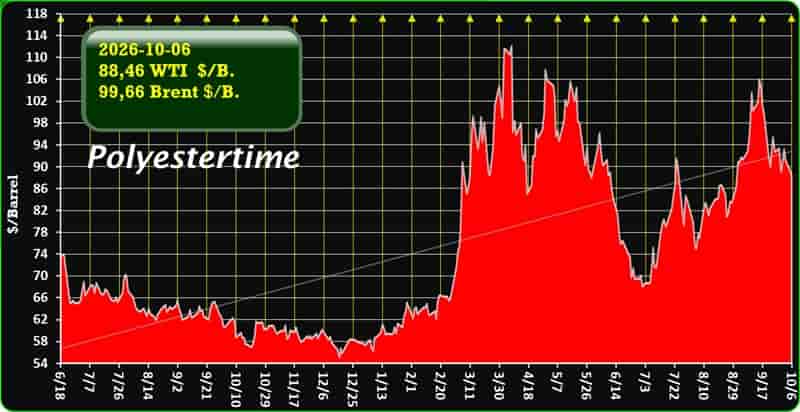
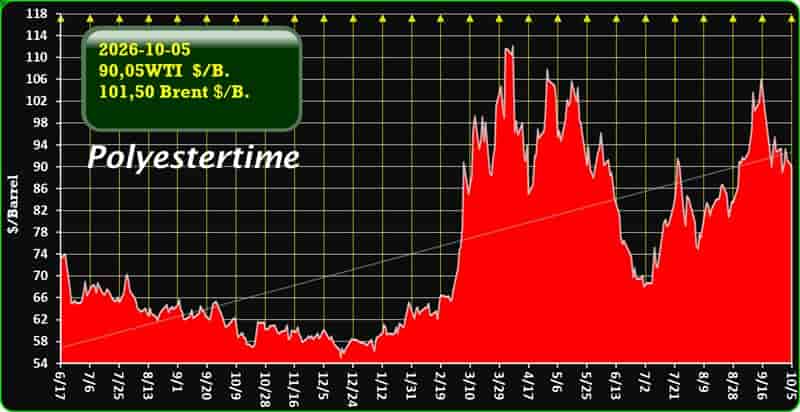
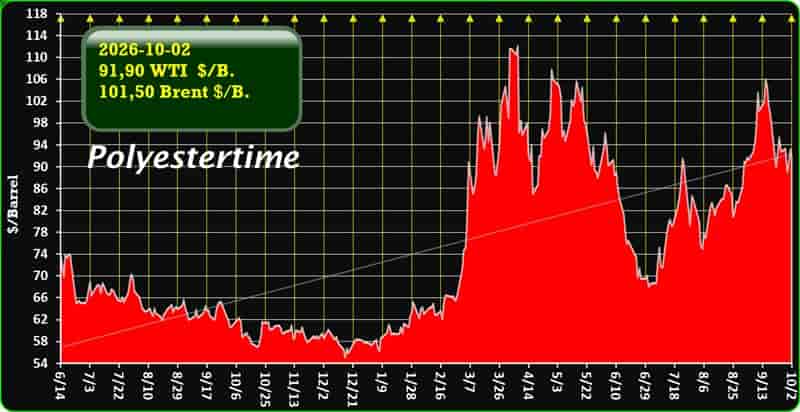
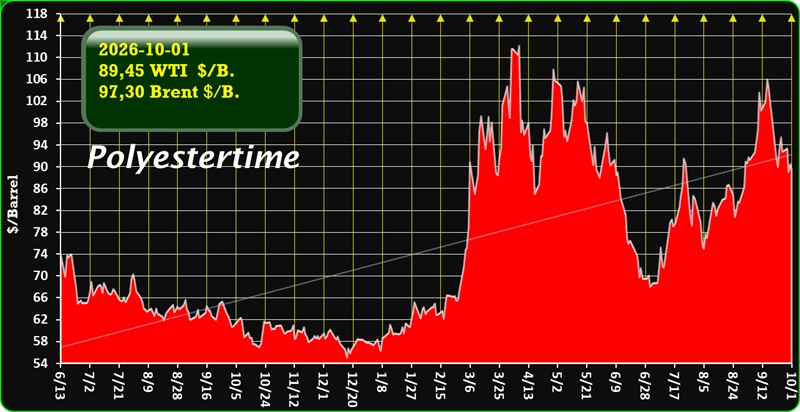
The oil price has entered a highly volatile and bullish phase as of March 19, 2026, with Brent crude trading in the $100–110 per barrel range and WTI hovering between $90–100. This sharp upward movement reflects a convergence of geopolitical shocks, tightening supply conditions, and renewed investor anxiety across global markets.
Recent trading sessions show Brent briefly exceeding $111–113 per barrel, marking a rapid escalation compared to earlier weeks. Meanwhile, WTI has pushed close to $100, reinforcing the strength of the current crude price rally.
Current Oil Price Snapshot
| Benchmark | Price Range (USD/Barrel) | Market Trend |
|---|---|---|
| Brent Crude | 100 – 110 | Strongly bullish |
| WTI Crude | 90 – 100 | Firm upward trend |
The oil price has surged more than 5% in a single day, driven largely by escalating geopolitical risks and fears of supply disruption.
Key Drivers Behind the Oil Price Surge
1. Geopolitical Tensions in the Middle East
The dominant force behind today’s crude price spike is the intensifying conflict involving Iran and regional actors. Strikes on critical energy infrastructure—such as gas fields and export terminals—have heightened fears of prolonged supply disruptions.
The Strait of Hormuz, a vital chokepoint for roughly 20% of global oil flows, has been partially disrupted, amplifying the risk premium embedded in the oil price.
Markets are increasingly pricing in worst-case scenarios, including sustained outages or further escalation that could push oil price levels significantly higher.
2. Supply Constraints and OPEC+ Strategy
OPEC+ continues to play a crucial stabilizing—but also tightening—role. The group has paused planned production increases, citing uncertainty and seasonal demand patterns.
This decision effectively reduces additional supply entering the market at a time when disruptions are already constraining output. The result is a structurally tighter market, reinforcing upward pressure on the crude price.
3. Global Demand and Economic Signals
Despite geopolitical shocks, global demand remains resilient. The International Energy Agency has revised 2026 demand growth upward, driven primarily by non-OECD economies.
However, there is a paradox: while near-term demand supports higher oil price levels, longer-term projections still suggest potential oversupply once geopolitical tensions ease. This is reflected in the backwardation of futures curves—where short-term prices are significantly higher than long-term expectations.
4. Inflation and Monetary Policy Impact
Rising crude price levels are feeding into broader inflation concerns. Recent data shows accelerating wholesale inflation, complicating central bank decisions on interest rates.
Higher energy costs are already impacting global equity markets, with sharp declines in Asian and U.S. indices following the latest oil price surge.
Investor Sentiment and Market Structure
Investor sentiment has shifted decisively toward a risk-off, bullish-energy stance. The oil price is now heavily influenced by a “war premium,” where traders factor in geopolitical uncertainty rather than purely fundamental supply-demand dynamics.
Key signals from the market include:
-
Strong backwardation, indicating immediate supply tightness
-
Increased volatility in futures and options markets
-
Rising speculative positioning in crude oil contracts
This environment suggests that the oil price is currently driven more by fear and uncertainty than by long-term fundamentals.
Oil Price Trend: Short-Term Outlook
In the short term, the oil price is likely to remain elevated, with potential for further spikes if geopolitical tensions escalate. Analysts warn that prices could test $120 or higher under sustained disruption scenarios.
However, several factors could limit upside:
-
Strategic reserve releases by major economies
-
Diplomatic de-escalation
-
Gradual recovery of disrupted production
What This Means for the Global Economy
A sustained high oil price environment has broad implications:
-
Inflation pressure: Higher fuel and transport costs globally
-
Slower growth: Increased costs for industries and consumers
-
Energy transition acceleration: Renewed focus on alternatives
-
Market volatility: Continued pressure on equities and currencies
At the same time, energy-producing nations and companies may benefit from stronger revenues and improved margins.
Conclusion
The oil price trend as of March 19, 2026 reflects a market in crisis mode, driven by geopolitical tensions, constrained supply, and heightened investor anxiety. While Brent and WTI are currently trading in the $100–110 and $90–100 ranges respectively, the trajectory remains highly uncertain.
In the near term, the oil price is likely to stay elevated, with volatility remaining a defining feature. For global markets, this translates into both risk and opportunity—marking a critical phase for energy, economic policy, and investment strategies.
Oil Price Surge Above $100 Signals Market Tension but Stability Hopes Emerge as Supply Risks and Demand Adjustments Shape Outlook
More…