Oil Prices Hold Firm as US‑Iran Tensions Reshape Global Energy Outlook
Oil price outlook 2026
Introduction
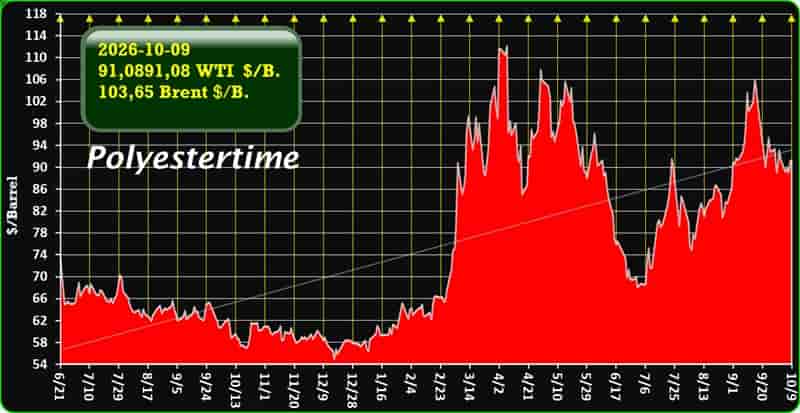
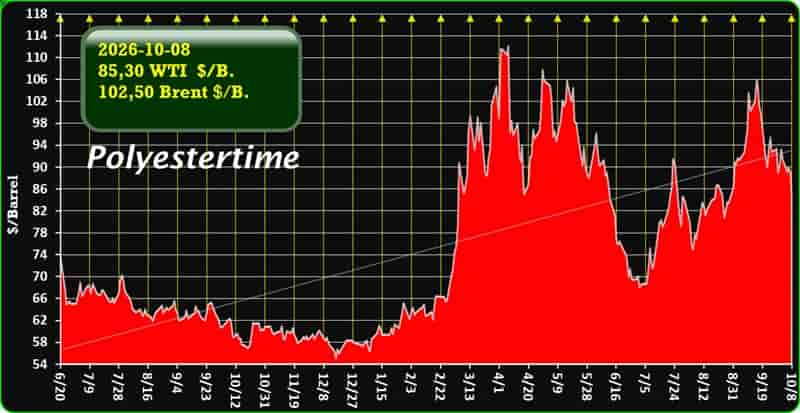
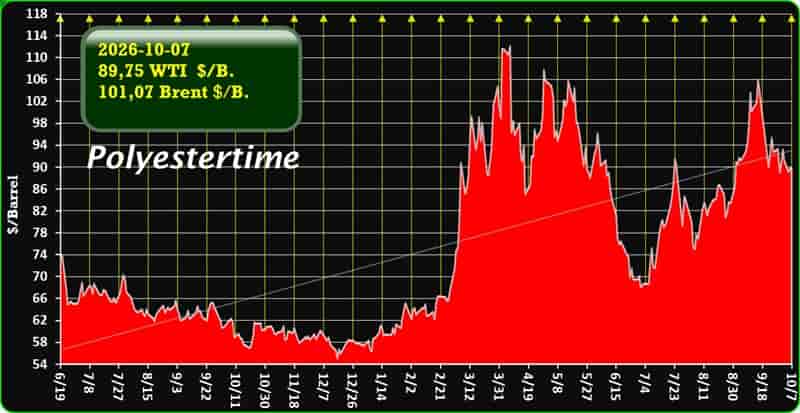
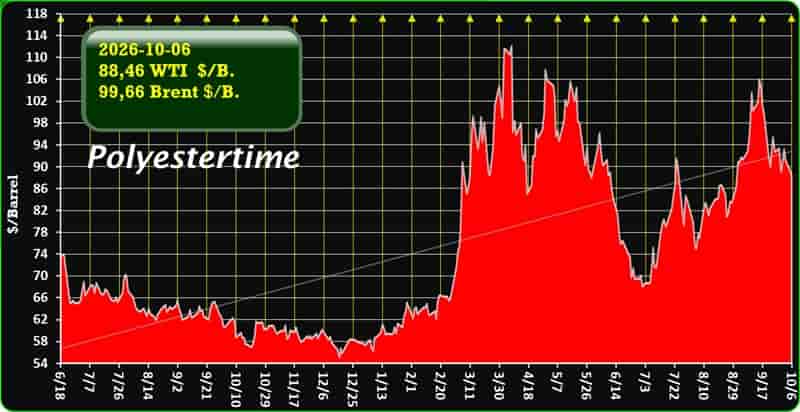
Oil markets remain tense as Brent trades around 93 $/B and WTI near 90 $/B, reflecting persistent geopolitical risk linked to the US‑Iran conflict. Recent market data shows that traders are reacting to both immediate supply threats and shifting expectations of de‑escalation. Brent crude recently settled at 93.09 $/B, while WTI closed at 90.54 $/B, following a temporary dip driven by hopes of reduced conflict intensity.
How the US‑Iran War Is Driving Oil Prices
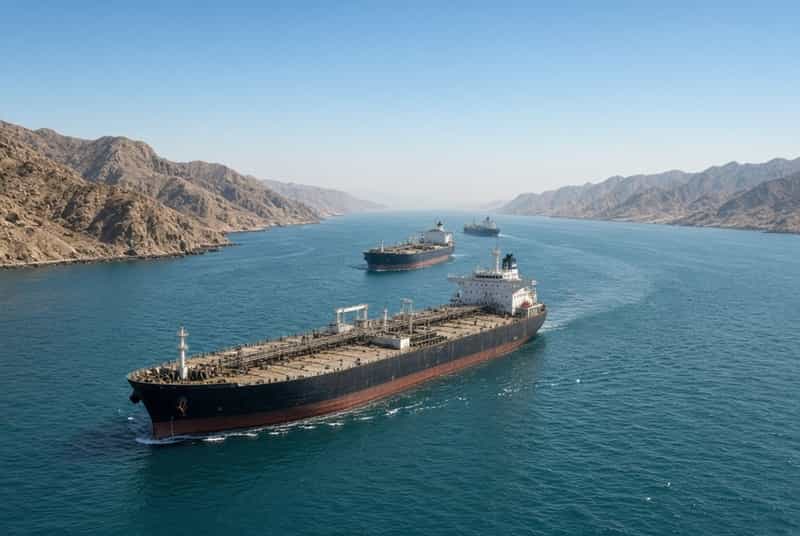
The conflict has repeatedly shaken global energy markets. Since the war began, oil prices have experienced extreme volatility, with Brent having surged more than 55% at peak moments, driven by fears of disrupted flows through the Strait of Hormuz, one of the world’s most critical oil chokepoints.
Key factors include:
-
Supply disruption fears — Shipping traffic through the Strait of Hormuz has dropped by more than 80%, raising concerns about global supply security.
-
Military escalation — Joint U.S. and Israeli strikes on Iranian infrastructure have intensified market anxiety.
-
Market volatility cycles — Oil markets have swung between panic and relief as geopolitical signals shift.
Current Market Conditions
Recent weekly averages show:
-
WTI averaging 91.15 $/B
-
Brent averaging 94.81 $/B
These levels reflect a market that remains highly sensitive to geopolitical developments, even as some traders anticipate potential de‑escalation.
Meanwhile, Reuters reports that hopes for reduced conflict have temporarily eased price pressure, contributing to the latest pullback from recent highs.
Why Prices Remain Elevated
Even with occasional dips, several structural factors keep prices high:
-
Risk of prolonged conflict — Analysts warn that any renewed escalation could push prices sharply upward again.
-
Potential Iranian supply disruption — BloombergNEF notes that a severe disruption could push Brent toward 91 $/B or higher later in 2026, depending on the duration and severity of export losses.
-
Global demand resilience — Despite economic uncertainty, global consumption remains strong enough to support elevated price levels.
Short‑Term Outlook
In the coming weeks, oil prices are likely to remain volatile but elevated. The market is balancing two opposing forces:
-
De‑escalation hopes, which can temporarily ease prices.
-
Persistent geopolitical risk, which keeps a firm floor under Brent and WTI. oil price outlook 2026
If tensions ease further, modest declines are possible. However, any renewed military escalation—especially involving Iranian export routes—could trigger another sharp upward move.
What This Means for the Global Economy
High oil prices continue to influence:
-
Inflation trends, especially in Europe and Asia
-
Transportation and logistics costs
-
Energy‑intensive industries, which face margin pressure
-
Consumer fuel prices, which remain sensitive to even small crude fluctuations
Businesses dependent on fuel and shipping should prepare for continued volatility and consider hedging strategies where appropriate.
Conclusion
With Brent near 93 $/B and WTI around 90 $/B, the oil market remains firmly shaped by the US‑Iran conflict. While short‑term dips occur on de‑escalation hopes, the underlying geopolitical risk ensures that volatility will persist. For now, the global energy landscape remains fragile, and oil prices are likely to stay elevated until the conflict’s trajectory becomes clearer.
Oil Prices Surge as US-Iran Conflict Escalates: Why Brent Is Near $95 and WTI Above $92
More…