Oil Price Surge Signals Rising Global Energy Risk as Middle East Crisis Tightens Supply and Pushes Brent and WTI Higher 05-03-2026
Oil Price Trend: Brent and WTI Climb as Geopolitical Risks Shake Energy Markets
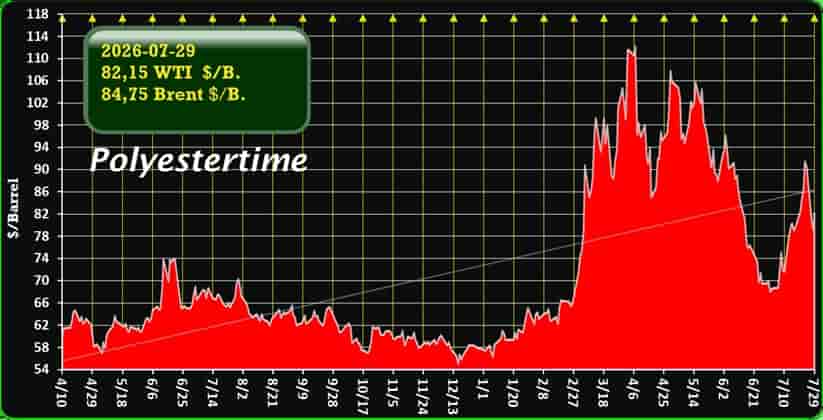
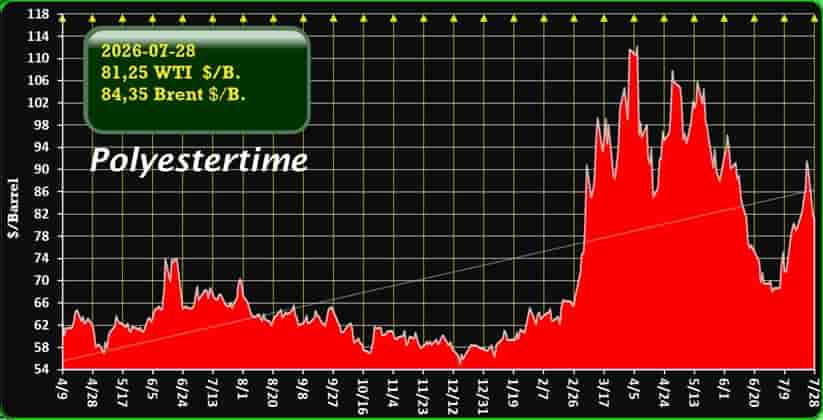
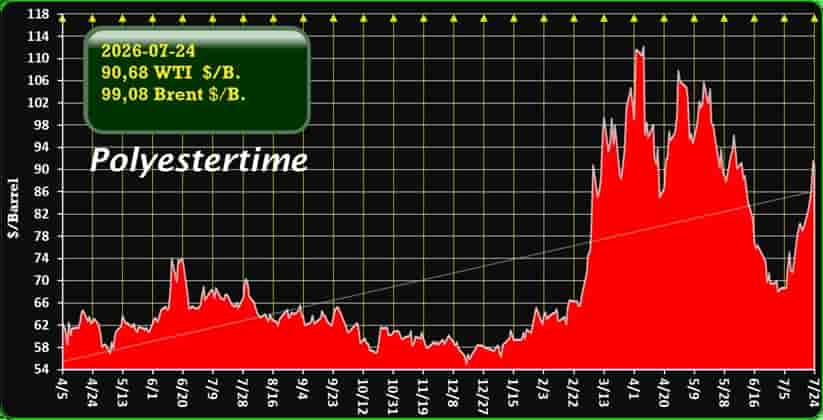
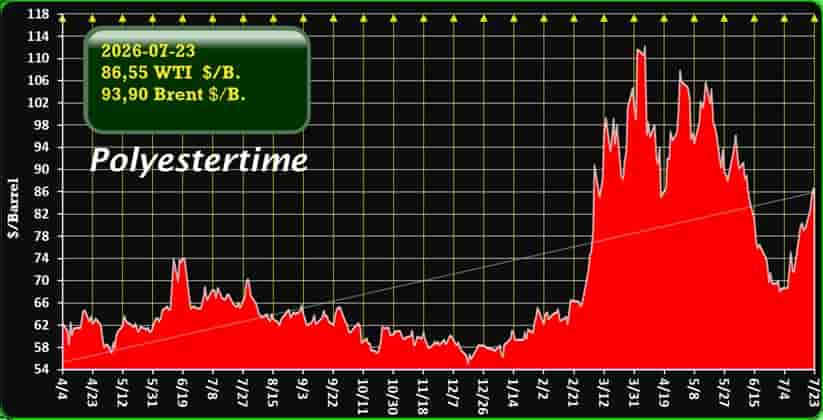
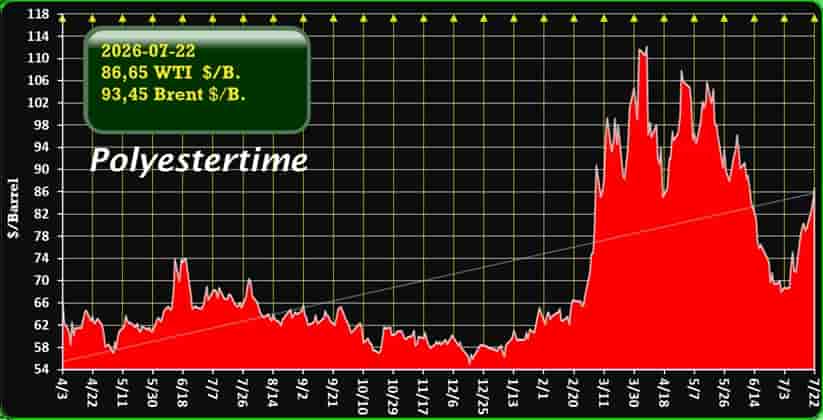
The oil price is moving higher in early March 2026 as geopolitical tensions in the Middle East intensify and global energy markets react to supply risks. As of March 5, 2026, Brent crude is trading roughly between $83 and $86 per barrel, while WTI crude stands around $76–$80 per barrel, reflecting a surge in risk premiums across the oil market.
Recent developments, particularly escalating tensions involving Iran and disruptions around the Strait of Hormuz, have amplified volatility. Investors are closely monitoring whether supply disruptions could tighten the global market further in the coming weeks.
Current Oil Price Levels
The latest benchmarks illustrate the upward momentum in crude markets.
| Oil Benchmark | Price Range (March 5, 2026) | Trend |
|---|---|---|
| Brent Crude | $83 – $86 per barrel | Rising |
| WTI Crude | $76 – $80 per barrel | Rising |
| Weekly Movement | +10% to +15% | Strong rally |
Oil markets have climbed significantly this week, with Brent approaching multi-month highs after a rapid escalation in geopolitical tensions. Analysts report that crude prices surged sharply after attacks and retaliatory strikes in the Middle East disrupted shipping routes and energy infrastructure.
Geopolitical Risks Drive the Oil Price Higher
The primary catalyst behind the recent oil price rally is the escalating conflict involving Iran and its regional adversaries. Shipping disruptions and military tensions near the Strait of Hormuz have raised concerns about potential supply interruptions.
The Strait of Hormuz is one of the world’s most critical energy chokepoints, responsible for roughly 20% of global oil trade. Any disruption in this corridor can quickly ripple across international energy markets.
Recent strikes and retaliatory actions have already affected shipping and tanker activity, forcing insurers and energy companies to reassess routes and security costs.
If the crisis deepens, analysts warn that the oil price could climb much higher, particularly if the strait becomes partially or fully blocked.
Supply, Demand, and OPEC+ Strategy
Beyond geopolitics, broader fundamentals continue shaping the oil price outlook.
Supply Factors
Several supply dynamics are influencing the market:
-
Potential Middle East production disruptions
-
Ongoing OPEC+ output management
-
Strategic petroleum reserves being monitored globally
While OPEC+ has maintained production discipline in recent months, the market is increasingly concerned that unexpected outages could tighten supply further.
Meanwhile, major producers such as the United States continue pumping at near-record levels, which provides some cushion against supply shocks.
Demand Outlook
Global oil demand remains relatively resilient in 2026 despite economic uncertainty.
Key drivers include:
-
Continued energy demand from China and India
-
Recovery in aviation and transportation fuel consumption
-
Seasonal demand fluctuations in the Northern Hemisphere
However, slower economic growth in parts of Europe and rising energy costs could eventually temper demand growth.
Investor Sentiment in the Oil Market
Investor sentiment around the oil price has shifted from cautious to increasingly bullish as geopolitical risk premiums grow.
Financial institutions are warning that prolonged disruption to Middle Eastern supply routes could push prices significantly higher.
Some analysts suggest that Brent could reach $100 per barrel if shipping through the Strait of Hormuz remains restricted for several weeks.
At the same time, markets have not yet fully priced in the worst-case scenario. Some analysts believe traders are still assuming the disruption will remain temporary.
Economic Impact of Rising Oil Prices
Higher crude prices could have significant implications for the global economy.
| Sector | Potential Impact |
|---|---|
| Transportation | Rising fuel costs |
| Manufacturing | Higher input costs |
| Inflation | Upward pressure on consumer prices |
| Financial Markets | Increased volatility |
Economists warn that sustained oil price increases could drive inflation higher and complicate monetary policy decisions for central banks worldwide.
Energy-dependent economies in Asia and Europe are particularly exposed to rising crude costs.
Short-Term Oil Price Outlook
Looking ahead, the short-term trajectory of the oil price will depend heavily on geopolitical developments.
Three key scenarios could shape the market:
-
De-escalation of tensions
Prices stabilize in the $80–$90 range. -
Continued regional instability
Brent could approach $95–$100 per barrel. -
Major supply disruption
Extreme scenarios could push oil prices well above $100.
In the near term, volatility is likely to remain high as markets assess the balance between geopolitical risk, global supply resilience, and demand growth.
The Bigger Picture for Energy Markets
The latest surge in the oil price underscores the fragile balance of global energy security. While renewable energy continues to expand, the world remains heavily dependent on crude oil for transportation and industrial activity.
Events in the Middle East serve as a reminder that geopolitical developments can rapidly reshape the global energy landscape.
For investors, policymakers, and businesses alike, the coming weeks will be critical in determining whether current oil market volatility is temporary—or the beginning of a new energy price cycle.
as Middle East Crisis Drives Brent Toward $86 and WTI Near $79 Amid Market Uncertainty
More…