OPEC+ oil production increase – OPEC+ Set to Approve Slight Oil Production Increase Today as Strategic Shift Puts Market Share Ahead of Price Stability 03-11-2025
OPEC+ oil production increase – Introduction
Today the alliance known as OPEC+—which includes major oil-producers like Saudi Arabia, Russia, Iraq, United Arab Emirates and others—is expected to approve a slight increase in oil production during its virtual meeting. The decision marks a significant pivot in strategy: instead of withholding supply to support prices, the bloc is now placing greater emphasis on reclaiming market share.
What is happening
After years of coordinated cuts to bolster oil prices, OPEC+ has accelerated production increases since early this year. The group is expected to announce an additional increase in output—analysts cite about 137,000 barrels per day (bpd) starting December—mirroring recent modest increments.
The group justifies this move by pointing to low global inventories and what they describe as healthy market fundamentals. enerdata.net+1
Why the shift towards market-share
Several factors explain why OPEC+ is turning its focus toward production volume and market share rather than purely price support:
-
The rise of U.S. shale oil production has chipped away at OPEC’s dominance. OPEC+ oil production increase
-
Many OPEC+ members now face steeper production costs than Saudi Arabia, which gives Saudi Arabia a competitive advantage in lower-price scenarios. Reuters+1
-
Rather than hold production low indefinitely, the group appears willing to accept moderate prices to maintain or regain market influence.
Member country dynamics
Key members like Saudi Arabia and Russia are driving the strategy. Others such as the UAE, Kuwait, Iraq, Kazakhstan, Algeria and Oman are adjusting their output targets accordingly. OPEC+ oil production increase
At the same time, there are complicating internal issues: some members exceeded their quotas in past months and will need to compensate for that. Russia may be at or near maximum production capacity, which limits its ability to surge further.
Pricing and inventory backdrop
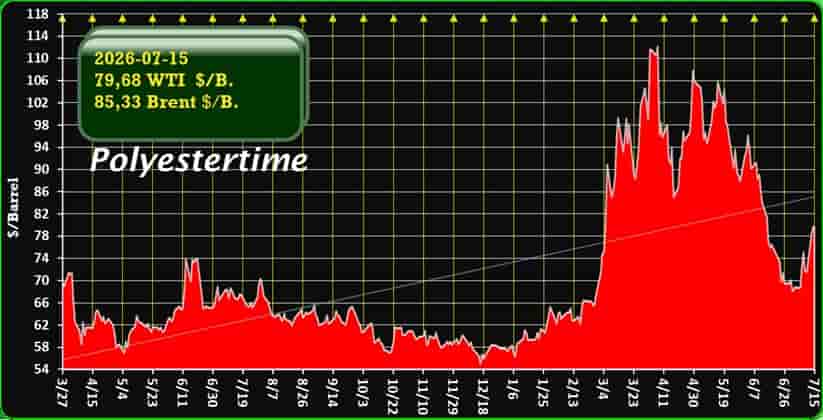
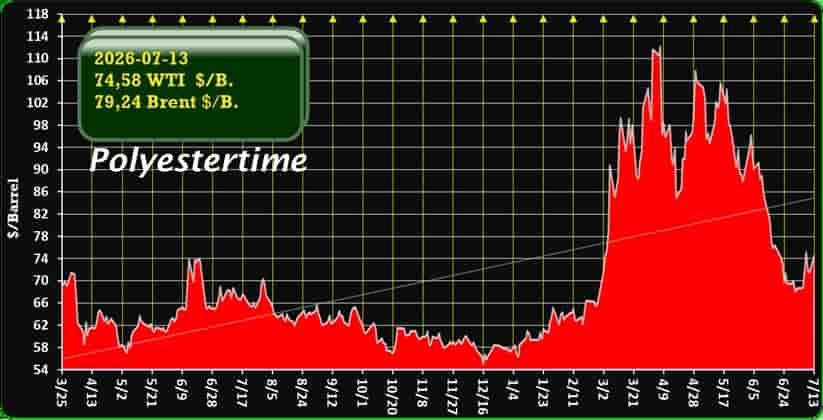
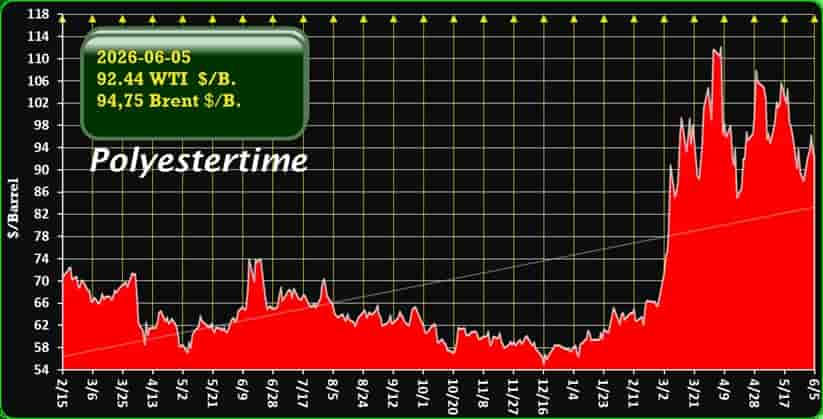
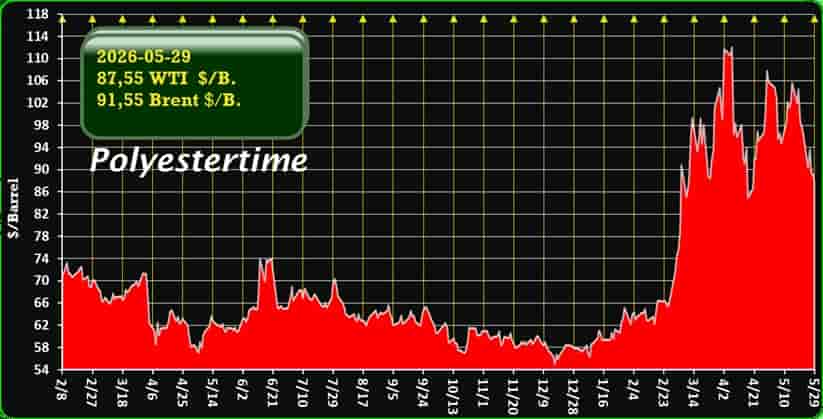
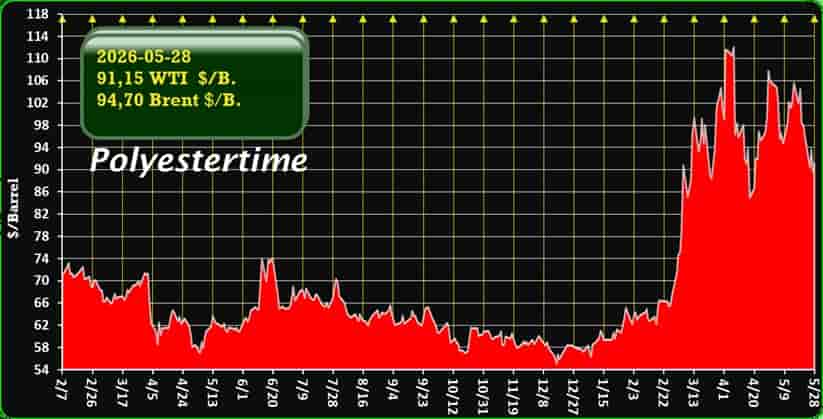
Global crude inventories remain under pressure, especially in the United States, strengthening the production rationale. IEA Despite the production increase announcements, oil prices have held up better than expected — partly because actual supply increases have lagged targets and demand remains resilient. Reuters+1
Risks and challenges
For OPEC+ the decision to boost production involves a balancing act:
-
If the group increases output too much, oil prices could come under pressure and producers’ profit margins may shrink.
-
If the group holds back and appears to be unable to act, investors and markets may interpret this as a sign of weakness in demand outlook or cohesion within the alliance. OPEC+ oil production increase
-
Sanctions and geopolitical risks—especially regarding Russia and its oil exports under sanctions—add uncertainty to supply predictions.
What this means for global markets
-
A modest increase in production signals to markets that OPEC+ is shifting strategy. The emphasis is less on propping up price and more on defending market share.
-
For consumers and industrial users, a modest bump in supply could ease concerns about shortages—but given the small size of the increase, the immediate impact on price may be limited. OPEC+ oil production increase
-
For U.S. shale producers, the shift means they could face renewed competitive pressure if OPEC+ successfully increases supply at relatively low cost.
-
For global oil-price watchers, the key will be how much of the announced supply actually makes it to market and how rapidly demand responds. OPEC+ oil production increase
Conclusion
Today’s expected decision by OPEC+ to approve a slight oil production increase underscores a strategic evolution. The alliance is signalling that regaining market share is now as important as supporting oil prices. With inventories tight, rival producers under cost pressure, and global demand still hanging in, OPEC+ is choosing a path of moderate output growth rather than deep restraint. Markets will now watch how much of the agreed increase is realized and whether demand keeps pace—or whether the alliance must adjust once again. OPEC+ oil production increase