Oil Prices Surge as US-Iran Conflict Escalates: Why Brent Is Near $95 and WTI Above $92
Oil Prices and US-Iran War
Oil Prices Surge as US-Iran Conflict Keeps Markets on Edge
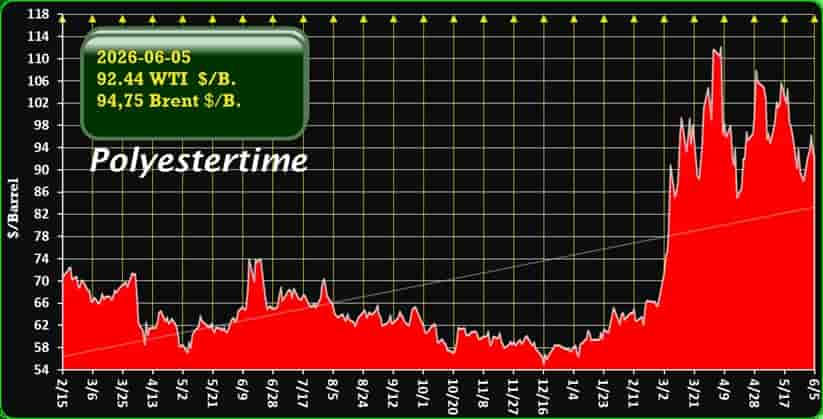
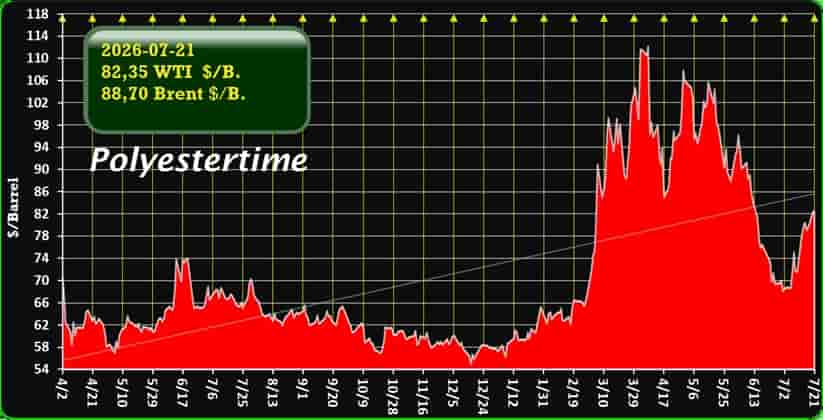
Oil prices remain under pressure from ongoing geopolitical tensions in the Middle East, with Brent crude trading near $95 per barrel and West Texas Intermediate (WTI) hovering around $92 per barrel. The market continues to react to developments involving the United States and Iran, as traders assess potential risks to global energy supplies.
The current price levels reflect a significant geopolitical premium, driven largely by uncertainty surrounding shipping routes in the Persian Gulf and the future of diplomatic negotiations between Washington and Tehran.
Why Oil Prices Are Rising
The main factor supporting crude oil prices is concern about supply disruptions in the Strait of Hormuz, one of the world’s most important energy chokepoints.
Approximately one-fifth of global oil shipments pass through this narrow waterway. Any threat to shipping activity immediately raises concerns among traders and energy consumers worldwide.
Recent reports indicate that negotiations between the United States and Iran remain fragile, while military and political tensions continue to create uncertainty for energy markets. Investors fear that any escalation could further disrupt oil exports from the region.
The Importance of the Strait of Hormuz
The Strait of Hormuz is critical to global energy security.
Major oil-producing nations, including Saudi Arabia, Iraq, Kuwait, the United Arab Emirates and Iran, rely on this route to export crude oil to international markets.
When tensions rise in the region, shipping companies often face higher insurance costs, increased security risks and logistical challenges. These factors can reduce the flow of oil and contribute to higher prices.
Even the possibility of future disruptions is enough to influence market sentiment and push crude prices upward.
US-Iran Relations Remain a Key Market Driver
Energy markets are closely monitoring diplomatic contacts between Washington and Tehran.
While there have been occasional signs of progress, recent developments suggest that negotiations remain difficult. Markets have repeatedly reacted to headlines regarding ceasefire discussions, sanctions policy and regional security issues.
As long as uncertainty persists, traders are likely to maintain a risk premium in crude oil prices.
This explains why Brent remains close to $95 per barrel despite concerns about slower economic growth in several major economies.
Impact on Global Inflation
Higher oil prices often translate into higher costs across the economy.
Transportation, manufacturing, logistics and aviation all depend heavily on energy. When crude oil becomes more expensive, businesses frequently pass some of those costs on to consumers.
For central banks, elevated energy prices can complicate efforts to bring inflation under control.
If oil prices remain near current levels for an extended period, policymakers may face renewed inflationary pressure in the second half of 2026.
What This Means for Europe
Europe remains particularly sensitive to energy market volatility.
Although European officials have indicated that fuel supplies remain adequate, sustained disruptions in Middle Eastern energy exports could increase costs for businesses and consumers.
Higher fuel prices could also affect airline ticket prices, freight transportation and industrial production costs across the continent.
For European economies already dealing with slow growth, prolonged energy market instability represents an additional challenge. Oil Prices and US-Iran War
Can Oil Reach $100 Again?
A return to triple-digit oil prices cannot be ruled out.
Several factors could push Brent above $100 per barrel:
- Further escalation of military tensions in the Middle East.
- New disruptions to shipping activity in the Strait of Hormuz.
- Additional sanctions affecting regional oil exports.
- Lower-than-expected global oil inventories.
- Stronger-than-expected demand during the second half of 2026.
On the other hand, meaningful diplomatic progress between the United States and Iran could reduce market anxiety and bring prices lower.
Outlook for the Coming Months
The direction of oil prices will largely depend on geopolitical developments rather than traditional supply-and-demand fundamentals.
At present, the market remains focused on three questions:
- Will US-Iran negotiations make meaningful progress?
- Can shipping activity in the Strait of Hormuz remain stable?
- Will major oil-producing countries increase production enough to offset regional risks?
Until clearer answers emerge, volatility is likely to remain elevated.
Conclusion
Brent crude near $95 per barrel and WTI above $92 reflect a market that remains highly sensitive to geopolitical risk. The ongoing US-Iran conflict, uncertainty surrounding the Strait of Hormuz and concerns about future energy supplies continue to shape global oil markets.
While a diplomatic breakthrough could ease price pressures, any further escalation may quickly push crude prices higher. For investors, businesses and consumers alike, developments in the Middle East will remain one of the most important drivers of energy markets throughout 2026.
Oil Prices Near $97: How the US-Iran Conflict Is Impacting Brent, WTI and Global Markets
More…