Plastic pyrolysis plant – Positive breakthrough for circular economy as SIBUR approves large scale plastic pyrolysis plant in Nizhnekamsk boosting chemical recycling capacity nationwide 22-12-2025
Plastic pyrolysis plant
SIBUR advances chemical recycling with new pyrolysis plant in Nizhnekamsk
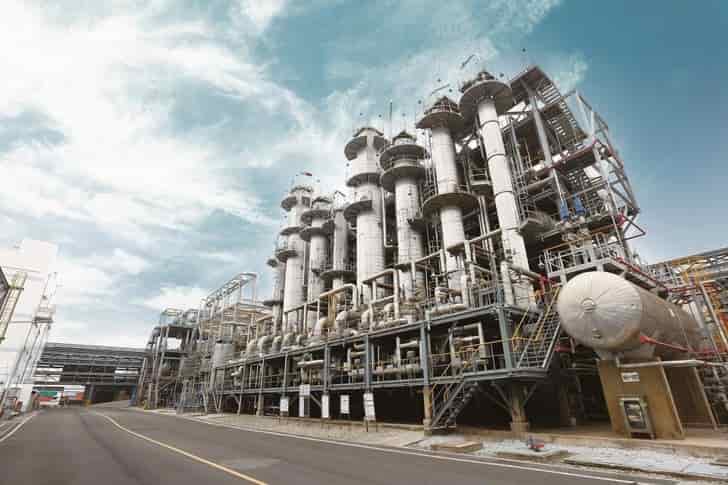
SIBUR has taken a major step forward in the development of chemical recycling by receiving approval for the construction of a plastic pyrolysis plant in Nizhnekamsk, Republic of Tatarstan. The new facility will have a processing capacity of 5,000 tons per year and will be located at the Nizhnekamskneftekhim industrial site. This project strengthens the company’s long term strategy to reduce plastic waste, support the circular economy, and expand sustainable polymer production.
The approval was issued following a positive conclusion from a non state expert examination conducted by Prommash Test Expertise. The official document was registered on December 19, confirming that the project meets technical, environmental, and safety requirements. The developer of the project is Nizhnekamskneftekhim, one of SIBUR’s key production assets.
Why the plastic pyrolysis plant matters for the industry
The plastic pyrolysis plant represents a critical advancement for the chemical recycling sector. Unlike traditional mechanical recycling, chemical recycling through pyrolysis enables the processing of mixed and contaminated plastic waste that would otherwise be sent to landfills or incineration.
Many types of plastic waste, including films, bags, multilayer packaging, and contaminated materials, cannot be effectively recycled using conventional methods. Pyrolysis technology addresses this challenge by converting complex plastic waste into valuable secondary raw materials.
With the launch of this plant, SIBUR aims to demonstrate that chemical recycling can operate at an industrial scale while maintaining environmental and economic efficiency.
How pyrolysis technology works
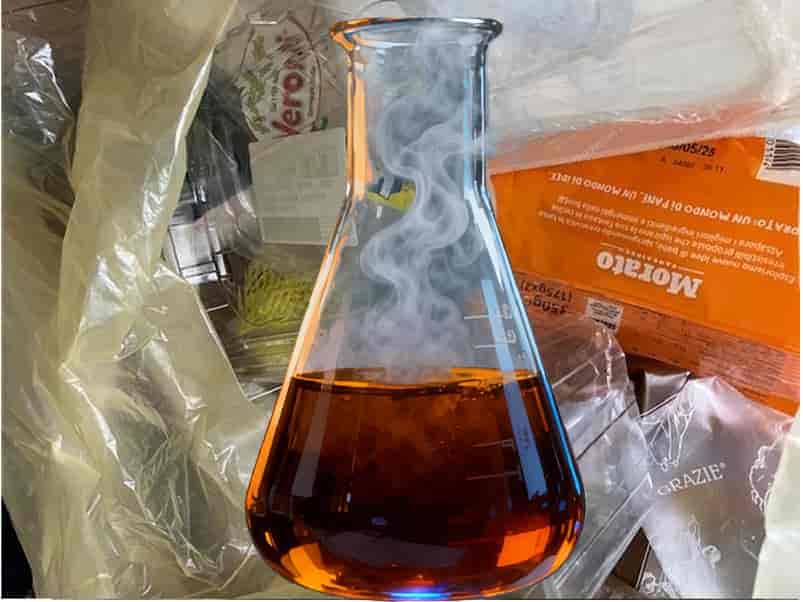
The core of the plastic pyrolysis plant is a thermal treatment process carried out without the presence of oxygen. Mixed plastic waste is heated to temperatures ranging from 350 to 450 degrees Celsius. Under these conditions, polymer chains break down into simpler hydrocarbon compounds.
The output of the pyrolysis process includes secondary products such as synthetic oils, rubbers, and polyolefins. These materials can be further refined and reused as feedstock for new polymer production. This approach helps close the loop in plastic manufacturing and reduces reliance on virgin fossil based raw materials.
Because the process does not involve oxygen, emissions are significantly lower compared to incineration, making the plastic pyrolysis plant a more environmentally responsible solution.
Supporting a circular economy for plastics
The development of the Nizhnekamsk plastic pyrolysis plant aligns with global and regional efforts to transition toward a circular economy. In a circular model, materials are kept in use for as long as possible, and waste is minimized through reuse and recycling.
According to SIBUR, chemical recycling will play a vital role in reducing the volume of non recyclable plastic waste. By converting difficult waste streams into secondary polymers, the company is creating new opportunities for manufacturers to incorporate recycled content into their products.
This is especially important for industries such as packaging, automotive, and consumer goods, where demand for sustainable materials continues to grow.
Food grade applications and secondary polymers
One of the most notable aspects of the project is the potential use of secondary polymers in sensitive applications, including the food industry. Chemical recycling through pyrolysis can produce feedstock that meets strict quality and safety standards.
Unlike mechanically recycled plastics, which may degrade in quality over time, chemically recycled polymers can achieve properties comparable to virgin materials. This opens the door to broader adoption of recycled plastics in high value and regulated markets.
The plastic pyrolysis plant in Nizhnekamsk is expected to support innovation in food grade packaging and help manufacturers meet sustainability targets without compromising product safety.
Environmental impact and sustainability goals
Reducing plastic pollution remains a pressing environmental challenge worldwide. Large volumes of plastic waste end up in landfills, waterways, and natural ecosystems due to limited recycling options.
By investing in a plastic pyrolysis plant, SIBUR is addressing this issue at its source. The project will help divert mixed plastic waste from disposal and transform it into usable resources. This contributes to lower greenhouse gas emissions, reduced landfill use, and improved resource efficiency.
The initiative also supports national and international climate goals by lowering dependence on virgin petrochemical feedstocks and promoting sustainable industrial practices.
Strengthening regional industry in Tatarstan
The construction of the plastic pyrolysis plant at the Nizhnekamskneftekhim site reinforces Tatarstan’s position as a major hub for petrochemical innovation. The project is expected to create new jobs, stimulate technological development, and attract further investment into the region.
By integrating chemical recycling into an existing industrial complex, SIBUR can leverage established infrastructure and expertise. This integration improves operational efficiency and accelerates the adoption of advanced recycling technologies across the Russian chemical industry.
SIBUR’s long term strategy for chemical recycling
The approval of the Nizhnekamsk plastic pyrolysis plant reflects SIBUR’s broader commitment to sustainable solutions. The company has identified chemical recycling as a key growth area that complements mechanical recycling and waste reduction initiatives.
According to company representatives, expanding chemical recycling capacity will significantly increase the share of plastics that can be returned to production cycles. This approach supports both environmental responsibility and economic resilience.
As demand for recycled polymers continues to rise, projects like this pyrolysis plant position SIBUR as a leader in the transition toward more sustainable materials management.
Future outlook for plastic pyrolysis in Russia
The successful implementation of this project could serve as a model for future plastic pyrolysis plants across Russia and neighboring markets. As regulations tighten and consumer expectations evolve, chemical recycling is likely to become an essential component of waste management strategies.
With a capacity of 5,000 tons per year, the Nizhnekamsk facility represents a scalable and practical solution. Over time, similar plants could significantly reduce the country’s plastic waste burden while supporting domestic production of high quality recycled polymers.
Conclusion
The approval of SIBUR’s plastic pyrolysis plant in Nizhnekamsk marks an important milestone for chemical recycling and sustainable industry development. By enabling the processing of mixed plastic waste into valuable secondary polymers, the project supports environmental goals, industrial innovation, and circular economy principles.
As construction moves forward, the plant is expected to play a key role in reshaping how plastic waste is managed and reused, setting a new standard for chemical recycling in the region.
More…