Plastics Sector – “Europe’s Plastics Sector in Crisis: Struggling to Compete Globally Amid Rising Costs, Policy Challenges, and Urgent Need for Revival” 16-10-2025
Plastics Sector
? Europe’s Struggling Plastics Sector Faces Intense Global Competition and Urgent Need for Clean Industrial Revival
Introduction: A Turning Point for Europe’s Plastics Sector
Europe’s plastics sector stands at a crossroads. Once a global leader, it is now struggling to retain its influence as Asia dominates global plastics production, innovation, and recycling investments. According to Plastics the Fast Facts 2025, the numbers paint a stark picture: Europe’s global market share in plastics production has fallen to 12% in 2024, down sharply from 22% in 2006.
This article breaks down the causes behind Europe’s decline, explores opportunities for recovery, and outlines mobile-friendly, SEO-optimized insights that connect industry data with actionable policy and business strategies.
Europe’s Plastics Sector: Decline Amid Global Expansion
Despite a slight rebound in 2024, Europe’s plastics production grew by just 0.4% to reach 54.6 million tonnes—a modest recovery after a 7.6% contraction in 2023. Industry turnover fell 13%, dropping from €457 billion in 2022 to €398 billion in 2024.
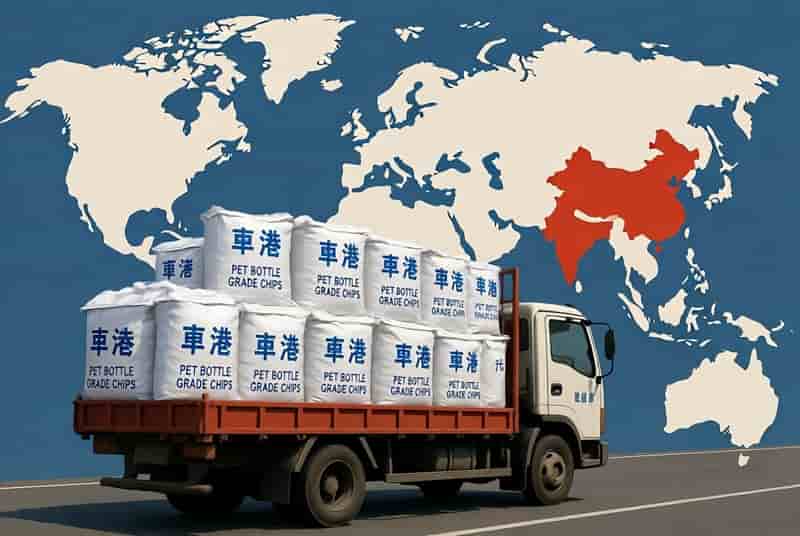
By contrast, global plastics production surged 4.1% in 2024 and 16.3% since 2018. This growth was driven primarily by Asian economies, with Asia now producing 57.2% of all plastics worldwide and China alone contributing 34.5%—nearly triple the EU’s output.
The competitiveness gap between Europe and Asia continues to widen, threatening jobs, innovation, and industrial resilience within the European plastics sector.
High Costs and Policies Reshape Europe’s Industrial Landscape
According to Plastics Europe, the industry’s leading association, the decline stems from a combination of high energy prices, feedstock costs, and climate-related taxes. These factors have reduced profit margins, triggered asset sales, and led to multiple plant closures across the continent.
“Europe’s plastics industry stands at a pivotal moment,”
said Benny Mermans, President of Plastics Europe.
“We need urgent political support and frameworks to reinvigorate investment and secure competitive supply chains.”
The plastics sector faces a policy conundrum: how to balance environmental goals with industrial competitiveness. Without supportive frameworks, production risks shifting abroad—undermining both sustainability and employment.
Trade Flows Show Small Signs of Recovery
Trade data offers a glimmer of hope. The EU’s polymer trade deficit improved from –0.8 million tonnes in 2023 to just –0.2 million tonnes in 2024, largely thanks to a 10% rise in exports.
The United States remains the EU’s largest polymer import partner (18.9%) and its fourth-largest export destination (7.7%). However, shifting global tariffs and new trade regimes could quickly erase these gains. Industry analysts warn that policy volatility—especially U.S. and Chinese tariff adjustments—could strain Europe’s fragile recovery.
The Circular Economy: Momentum Fades in Europe, Accelerates in Asia
One of Europe’s great strengths was once its leadership in circular plastics—recycling, re-use, and bio-based innovation. Yet, in 2024, this transition slowed dramatically.
Circular plastics represented 15.4% of total EU output, but this figure was largely driven by a decline in fossil-based plastics (–18.9% since 2018) rather than major growth in sustainable materials.
-
Mechanical recycling rose modestly by 2.7% to 7.7 million tonnes.
-
Chemical recycling stagnated at 0.11 million tonnes.
-
Bio-based plastics fell sharply by 25%, to 0.6 million tonnes, due to competition from biofuels subsidies.
Meanwhile, Asia surged ahead, producing 43.9 million tonnes of circular plastics in 2024—crossing the 10% global share milestone for the first time. China alone accounted for 13.4 million tonnes, nearly double Europe’s volume. This marks a clear policy-investment divide in the global plastics sector.
Why Europe’s Plastics Competitiveness Is Collapsing
The erosion of Europe’s competitiveness isn’t limited to production costs. Several deeper structural issues drive the decline:
-
Regulatory fragmentation: Divergent national policies within the EU slow industrial adaptation.
-
Investment shortfalls: Lower reinvestment rates in R&D, automation, and recycling infrastructure.
-
Energy price gaps: European manufacturers pay significantly more for electricity and gas than competitors in Asia or the U.S.
-
Trade pressure: Unfair imports and insufficient enforcement of EU standards.
-
Policy uncertainty: Constant changes in carbon pricing and recycling targets discourage long-term commitments.
For the plastics sector, these factors combine to make Europe less attractive to investors and innovators.
The Call for a Clean Industrial Deal
In response, Plastics Europe has renewed its call for an EU Clean Industrial Deal—a policy package aimed at restoring competitiveness, promoting circularity, and aligning energy and climate goals with industrial growth.
The association proposes several core actions:
-
Close the energy cost gap with targeted relief and energy-efficiency incentives.
-
Strengthen border enforcement to prevent unfair trade practices.
-
Invest in circular plastics infrastructure, especially mechanical and chemical recycling plants.
-
Introduce market-pull measures, like recycled-content mandates, to drive demand for sustainable materials.
-
Create a Chemicals and Plastics Trade Observatory for real-time monitoring of imports, exports, and tariffs.
“The European plastics industry is at a cliff edge,”
warned Virginia Janssens, Managing Director of Plastics Europe.
“Europe must decide whether to develop the world’s first circular plastics system or risk deindustrialisation.”
Looking Ahead: From Crisis to Circular Leadership
The European plastics sector may be under strain, but it retains immense potential. With strategic investments in circular innovation, digital integration, and smart trade policy, Europe can once again set global standards for sustainable plastics.
The question now is not whether the industry can recover—but whether policymakers, manufacturers, and innovators will act quickly enough to close the gap.
If the EU implements a Clean Industrial Deal, doubles down on circular infrastructure, and harnesses semantic technologies to boost transparency, Europe’s plastics sector could transform crisis into leadership once again.
More…