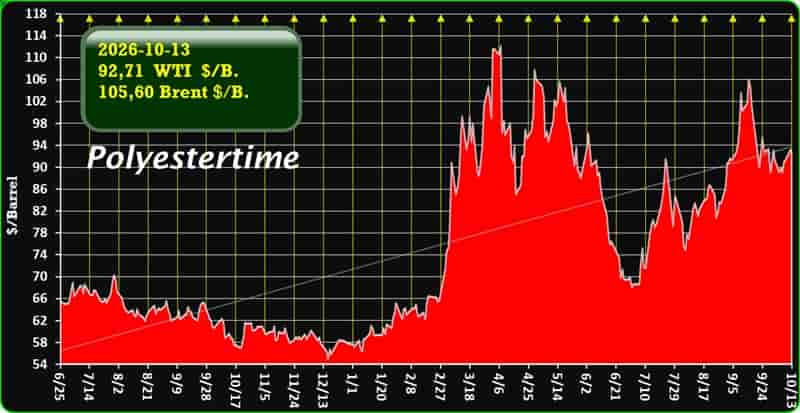
US-Iran War and Oil Prices: Brent at $93, WTI Near $90
US-Iran war oil prices
US-Iran War Keeps Oil Prices Elevated: Why Brent Is Near $93 and WTI Around $90
Key Takeaways
- Brent crude is trading around $93 per barrel while WTI is near $90.
- The US-Iran conflict remains the main geopolitical driver of oil prices.
- Disruptions and uncertainty surrounding the Strait of Hormuz continue to support a risk premium in the market.
- Traders are closely monitoring military developments, diplomatic negotiations, and OPEC production levels.
- Future price movements will largely depend on whether tensions escalate or de-escalate.
Oil Prices Remain Supported by Geopolitical Risk
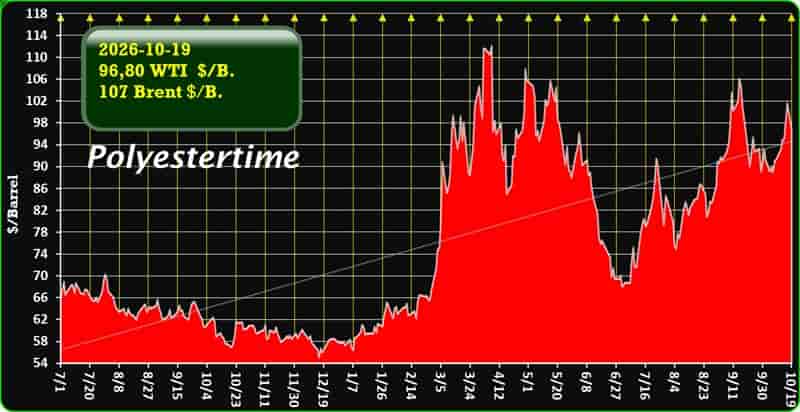
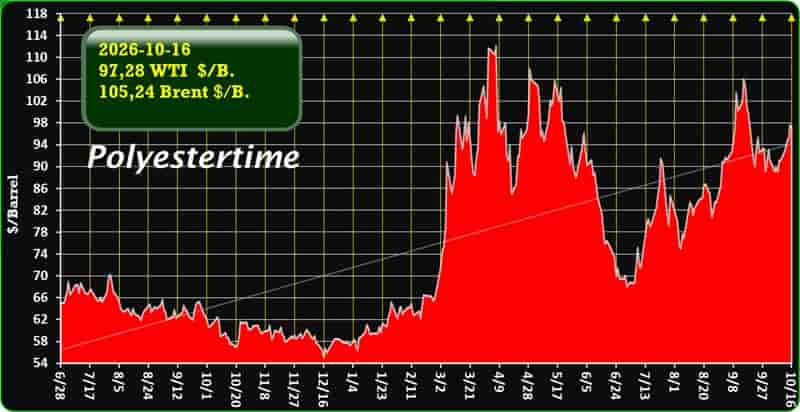
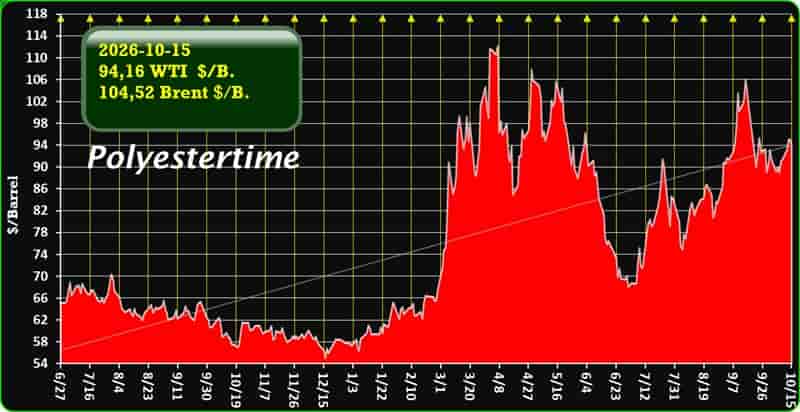
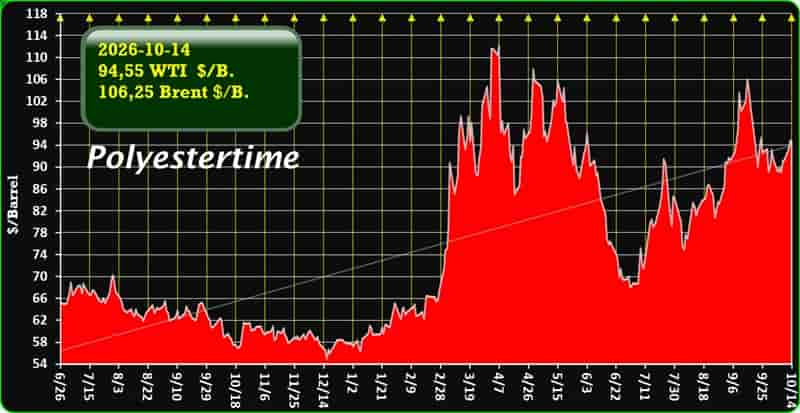
Global oil markets continue to price in significant geopolitical risk as tensions between the United States and Iran remain unresolved. Brent crude is currently trading around $93 per barrel, while West Texas Intermediate (WTI) is hovering near $90 per barrel.
Although oil prices have retreated from some of the highest levels seen during the recent conflict, they remain well above the averages recorded before tensions intensified. Markets are assigning a substantial risk premium to crude oil because of concerns about supply disruptions in the Middle East.
For investors, businesses, and consumers, the message is clear: geopolitical uncertainty continues to influence energy costs worldwide.
Why the Strait of Hormuz Matters
The Strait of Hormuz remains one of the world’s most important energy chokepoints. A significant share of global oil exports normally passes through this narrow waterway connecting the Persian Gulf to international markets. US-Iran war oil prices
Since the outbreak of hostilities, shipping activity in the region has faced disruptions, restrictions, and heightened security risks. Even when physical supplies continue to move, uncertainty regarding future transit conditions can push oil prices higher as traders seek protection against potential shortages.
The importance of Hormuz explains why every military announcement, diplomatic statement, or naval incident in the region can trigger sharp swings in oil prices.
Latest Developments in the US-Iran Conflict
Recent reports indicate that military exchanges between US and Iranian forces have continued despite intermittent diplomatic efforts aimed at reducing tensions. Officials have suggested that a broader agreement could still take weeks or months to achieve.
At the same time, oil traders remain concerned about the possibility of renewed disruptions to shipping routes and energy infrastructure. Reuters and other major news organizations report that uncertainty surrounding the Strait of Hormuz remains one of the most significant risks facing global commodity markets.
The result is a market environment characterized by volatility, rapid sentiment shifts, and elevated energy prices.
OPEC Production Adds Another Layer of Complexity
The conflict has also affected oil-producing nations across the Middle East.
According to recent industry data, OPEC output has fallen significantly as regional disruptions and restrictions have impacted exports. Reduced production from major producers has contributed to tighter global supply conditions and helped keep crude prices elevated.
However, analysts also warn that a future reopening of regional export routes could lead to a surge in supply. If major producers rapidly increase exports after a diplomatic breakthrough, oil prices could face downward pressure later in the year.
This creates an unusual situation in which both supply shortages and future oversupply risks are influencing market expectations.
What Brent and WTI Are Signaling
Brent crude serves as the primary global benchmark for international oil markets, while WTI is the key benchmark for the United States.
The fact that Brent remains above $90 suggests traders continue to price in substantial geopolitical risk. WTI’s position near $90 reflects similar concerns while also incorporating domestic US supply dynamics.
The relatively narrow gap between the two benchmarks indicates that market participants view the current geopolitical situation as a global issue rather than a purely regional one.
Economic Impact: Inflation and Consumer Costs
Higher oil prices affect much more than energy companies.
When crude oil remains elevated, transportation costs rise, businesses face higher operating expenses, and inflationary pressures can increase across the economy. Consumers often experience these effects through fuel prices, logistics costs, and higher prices for goods and services.
Central banks and policymakers are therefore paying close attention to developments in the Middle East, as sustained energy inflation could influence future interest-rate decisions and economic growth projections.
Oil Price Outlook for the Coming Months
The outlook for oil prices depends largely on three factors:
1. Diplomatic Progress
A credible diplomatic agreement between the United States and Iran could reduce the geopolitical risk premium currently embedded in oil markets.
2. Strait of Hormuz Operations
Any improvement in shipping conditions could ease concerns about supply disruptions. Conversely, additional restrictions could trigger another price surge.
3. OPEC and Global Supply
Future production decisions by OPEC producers will play a crucial role in determining whether the market remains tight or moves toward surplus conditions.
Most analysts currently expect oil prices to remain volatile, with Brent likely to stay near the $90 range unless a major geopolitical breakthrough or escalation changes the market narrative.
Conclusion
With Brent crude trading around $93 per barrel and WTI near $90, oil markets remain heavily influenced by developments surrounding the US-Iran conflict. The ongoing uncertainty in the Strait of Hormuz, combined with shifting OPEC production dynamics and diplomatic negotiations, continues to create a substantial risk premium.
For investors, businesses, and policymakers, the key issue is not simply the current price of oil but the direction of geopolitical developments. As long as uncertainty remains high, energy markets are likely to stay volatile, and oil prices may continue to trade at elevated levels.
Oil Prices Hold Firm as US‑Iran Tensions Reshape Global Energy Outlook
More…