Recycled plastic sorting certification – European milestone achieved by Swedish Plastic Recycling as first sorting facility certified under RecyClass — a strong signal for circular-economy progress 06-11-2025
Recycled plastic sorting certification – Introduction
In a landmark development for the recycling industry, Swedish Plastic Recycling (Svensk Plaståtervinning) has become the first company in Europe to achieve the sorting-process certification from RecyClass. This achievement validates its advanced sorting operations and strong traceability systems, boosting confidence in recycled plastics used for high-value applications.
What the Certification Means
The certification from RecyClass verifies that Swedish Plastic Recycling’s “Site Zero” facility in Motala, Sweden has met rigorous standards for sorting processes, particularly those linked to materials destined for food-contact applications. The audit, carried out by RecyClass-recognised body Ecogrant in Lithuania, confirmed that the traceability system meets the mandatory requirements for mechanical recycling into food-contact materials. Recycling Today+1
Specifically, the certification verifies that the origin of plastic scrap processed at the facility comes from municipal and separately collected streams, in line with EU regulation for recycled plastics in food-contact use. Recycling Today+1
Industry First and Strategic Significance
By achieving this certification, Swedish Plastic Recycling becomes the first materials-sorting firm in Europe to comply with the sorting-process requirements defined under the RecyClass scheme. Svensk plaståtervinning+1
This is more than a symbolic achievement. The move signals industrialisation of high-quality sorting and recycling operations, and it sets a benchmark for traceability and process integrity in the circular plastics economy. Recycled plastic sorting certification
Focus on Materials and Applications
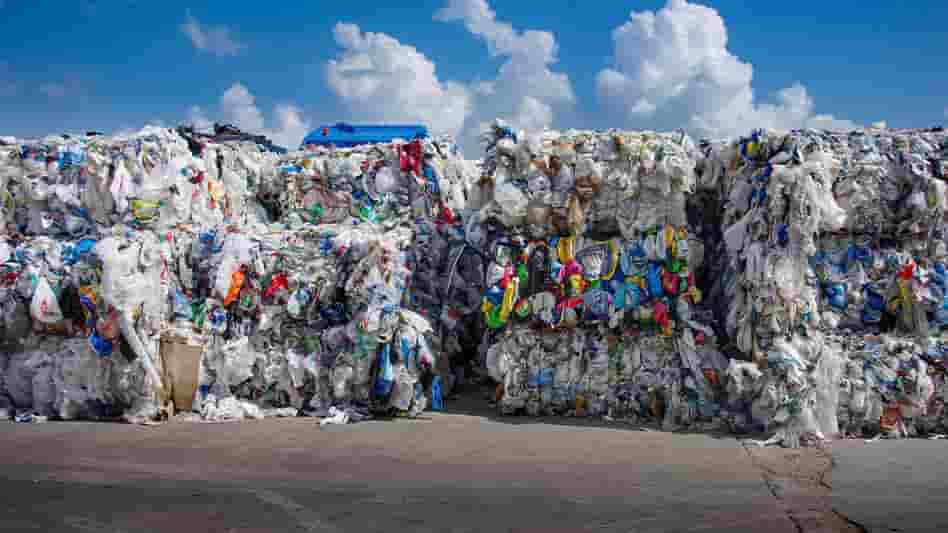
The facility currently sorts key polymers including polyethylene terephthalate (PET) bottles, PET trays and polystyrene (PS) packaging – all of which can be recycled into food-contact approved materials. Recycling Today
In addition, the company is engaged in a research project (CRISP) where it is exploring the sorting and recycling potential for additional resins such as polyethylene (PE) and polypropylene (PP). This broadens the scope of materials eligible for high-value reuse. Recycling Today
Traceability and Transparency as Core Pillars
Since 2018 Swedish Plastic Recycling has emphasised the importance of full traceability – knowing who handled the material, where and how – both pre- and post-sorting. The company has implemented its own traceability policy and subjects itself to annual independent audits to ensure compliance. Recycling Today
According to the company’s CEO, this level of control is crucial: recycling must be done under full control to avoid mis-handling or diversion of plastic waste. Secure traceability bolsters the credibility of recycled plastic streams as feedstock for sensitive applications. Svensk plaståtervinning
Regulatory Drivers and Future Demand
The certification arrives at a time when regulatory pressure across the EU is increasing. The upcoming Packaging and Packaging Waste Regulation (PPWR) sets ambitious targets for recycled content and collection rates beginning in 2030. Swedish Plastic Recycling expects demand for materials used in food-contact applications to grow accordingly. Recycled plastic sorting certification
By securing this RecyClass certification now, the company positions itself ahead of the curve in meeting those regulatory demands. The CEO noted the importance of being “already in excellent order” to deliver traceability under future rules. Recycled plastic sorting certification
Implications for the Recycling Industry
The introduction of a European-level certification for sorting facilities represents a major step for industrialising plastic recycling. It provides a standardised pathway for recyclers, brands and packaging producers to verify claims about recycled content and process integrity. The scheme supports trust across the value chain and helps combat green-washing. Recycled plastic sorting certification
Sorting facilities that meet such standards become preferred partners for brands seeking high-quality recycled feedstock, especially for applications with stricter safety or regulatory requirements.
What This Means for Stakeholders
For brand owners and packaging manufacturers, the achievement highlights that sorting quality and traceability matter more than ever. Sourcing from a certified facility like Swedish Plastic Recycling ensures that recycled plastics meet defined standards, especially for food-contact uses. Recycled plastic sorting certification
For recyclers and sorting operators, the certification sets an aspirational benchmark: achieving transparent workflows, robust traceability systems and independent audit processes can unlock new market opportunities.
For the broader circular-economy agenda, having certified facilities validates that infrastructure is maturing, creating more reliable flows of high-quality recycled plastics and supporting large-scale reuse of plastic materials. Recycled plastic sorting certification
Conclusion
The certification awarded to Swedish Plastic Recycling by RecyClass is a significant milestone in the recycling industry. It demonstrates how advanced sorting processes, strong traceability and compliance readiness come together to support higher-value recycling streams. As regulatory demand mounts and brands seek credible recycled content, facilities that meet these standards will be central to the circular plastics future.
In short, the era of certified sorting for recycled plastics is here – and it strengthens the foundation for trusted, transparent and scalable recycling systems across Europe. Recycled plastic sorting certification
More…