PLA bioplastics plant – India’s first fully integrated sugar-cane derived PLA bioplastics plant by Balrampur Chini signals a major leap in sustainable materials and circular economy 06-11-2025
PLA bioplastics plant – Introduction
A significant milestone in sustainable materials is underway as Balrampur Chini Mills Limited (BCML) prepares to launch India’s first large-scale polylactic acid (PLA) bioplastics plant. The new facility will use sugarcane feedstock to produce compostable, renewable-based plastics, aligning agriculture, industry and environmental goals in one project. PLA bioplastics plant
Project overview
BCML has committed about ₹2,850 crore to develop the PLA bioplastics plant under the brand name Bioyug. ETGovernment.com+2The Better India+2 The plant will convert sugarcane into PLA resin and aims for an annual production capacity of approximately 80,000 tonnes. The Better India Scheduled for commissioning around October 2026, it will integrate feedstock, fermentation, polymerization and renewable-energy power systems in one site. The Better India+1
Why sugarcane and why PLA
PLA (polylactic acid) is a biopolymer derived from renewable sources such as sugarcane. It offers a more sustainable alternative to conventional plastics due to lower carbon footprint and compostability features. sulzer.com+1 BCML’s approach taps sugarcane not just for sugar or ethanol, but for advanced materials. The use of sugarcane means leveraging an abundant crop in India and creating value-added returns in the agricultural value chain. PLA bioplastics plant
Strategic business and sustainability objectives
BCML aims for green sources—ethanol, co-generation power and PLA bioplastics—to contribute about 50 percent of its revenue by fiscal year 2027-28. The PLA project forms a pivotal element of that green transition strategy. By producing PLA on a large scale and integrating it into its portfolio, BCML positions itself ahead in the evolving bioplastics market. PLA bioplastics plant
Technology partnerships and plant execution
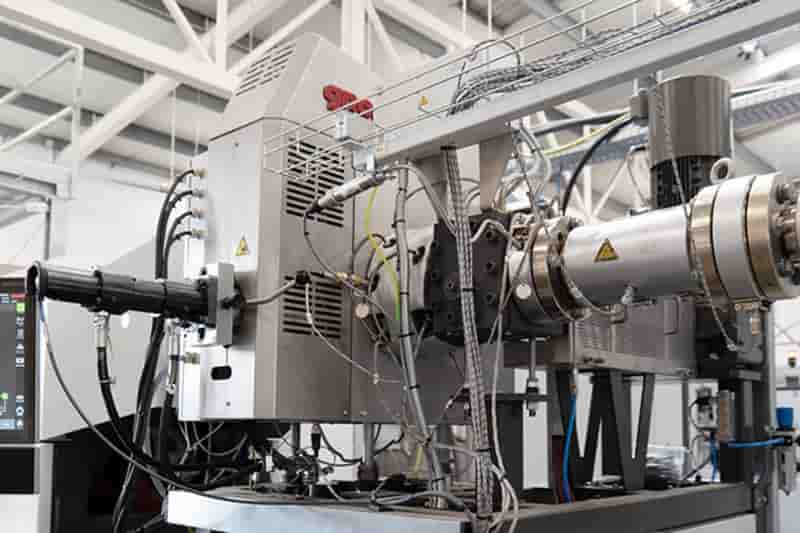
The project features technology collaboration with global suppliers. For example, Sulzer Ltd. will deliver PLA production technology including lactide synthesis, purification and polymerization modules. sulzer.com In addition, process-engineering firm GIG Karasek GmbH received an order to supply a major dehydration/distillation plant for the facility. gigkarasek.com This suggests BCML is tapping best-in-class equipment and process expertise to ensure industrial-scale performance and quality. PLA bioplastics plant
Implications for circular economy and plastics industry
The PLA bioplastics plant has multiple implications:
-
It reduces reliance on fossil-based plastics by substituting with sugarcane-derived PLA.
-
Compostable end-use applications open up new markets in packaging, single-use items, textiles and more.
-
It supports rural economies by linking sugarcane farming to high-value advanced-materials manufacturing.
-
It aligns with regulatory and consumer sustainability trends toward circular economy solutions.
Challenges and future outlook
While the project is promising, some considerations exist. PLA bioplastics currently cost more than conventional plastics, and adoption depends on scale, feedstock cost, plant performance and end-market uptake. BCML’s large-scale approach (80,000 tonnes/year) seeks to deliver economies of scale and cost improvements. Also, value-chain integration—from feedstock to final product—is complex and requires robust logistics, quality control and market development.
Why this matters for India
India is one of the world’s largest sugarcane producers and has ambition to become a hub for bio-based materials. By deploying the first large-scale PLA plant in India, BCML leverages domestic agricultural strength and positions India in the global bioplastics landscape. This project also aligns with national goals around industrial sustainability, emissions reduction and circular economy development.
What to watch
-
Commissioning timeline: The plant’s launch around October 2026 will mark a key execution milestone.
-
Feedstock supply stability: Ensuring consistent sugarcane input and efficient conversion will be critical.
-
Market development: Adoption of PLA in packaging, single-use items and textiles will accelerate competitiveness and demand.
-
Policy/regulatory environment: Incentives for bio-plastics, plastics substitution and circular economy frameworks will support growth.
Conclusion
The PLA bioplastics plant from Balrampur Chini Mills represents a major step in merging agriculture, materials and sustainability into a viable industrial model. With sugarcane as feedstock, advanced technology partnerships and a clear green-growth strategy, BCML aims to deliver a circular-economy solution at scale. As the plant moves toward commissioning, the project will provide insight into how India’s bioplastics sector can evolve, how global plastics supply chains might shift and how renewable-based materials can gain traction. The journey from cane field to compostable plastic signals a powerful transition—and one to watch closely.