Reinforced Concrete Additives Using PCR Fibers Market Soars as Sustainable Construction Demand Drives 10.2% CAGR Toward $2.19 Billion Global Growth by 2033 24-02-2026
Reinforced Concrete Additives Using PCR Fibers Market Gains Momentum
The Reinforced Concrete Additives Using PCR Fibers Market is rapidly expanding as sustainability becomes central to global construction strategies. Valued at $1.00 billion in 2024, the market is projected to reach $2.19 billion by 2033, advancing at a robust 10.2% CAGR between 2025 and 2033.
This growth reflects a broader shift in the construction materials sector toward environmentally responsible solutions that align infrastructure development with circular economy principles. Governments, developers, and material suppliers are increasingly prioritizing post consumer recycled polymer technologies to enhance performance while reducing environmental impact. recycled polymer fibers
Why PCR Fiber Reinforcement Is Transforming Concrete
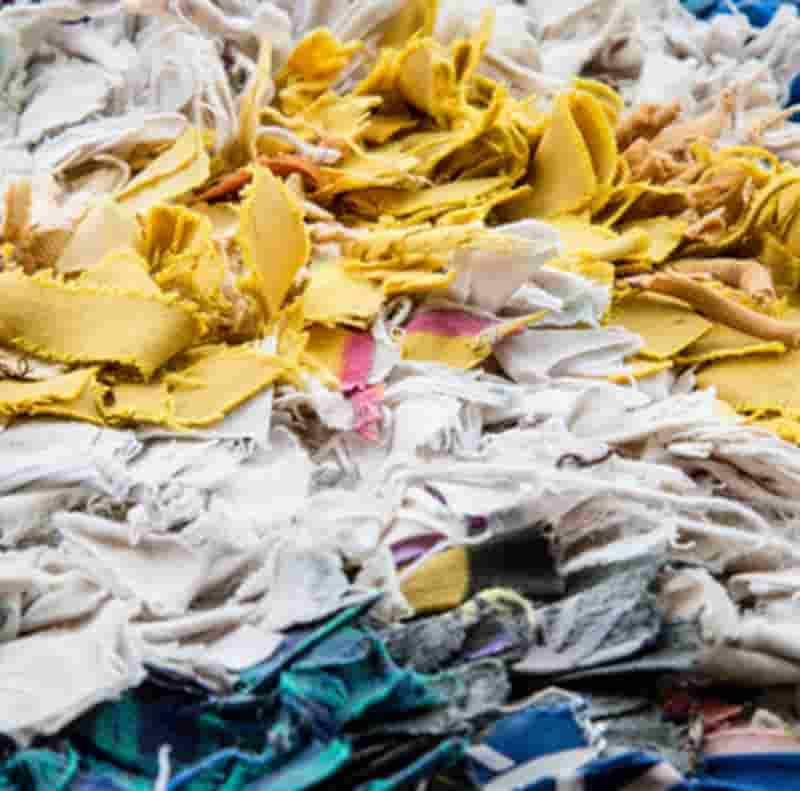
Concrete remains the most widely used construction material worldwide. However, traditional reinforcement methods often rely on virgin synthetic fibers or steel, which carry higher environmental footprints. The Reinforced Concrete Additives Using PCR Fibers Market addresses this challenge by integrating recycled polymer fibers into concrete mixtures. recycled polymer fibers
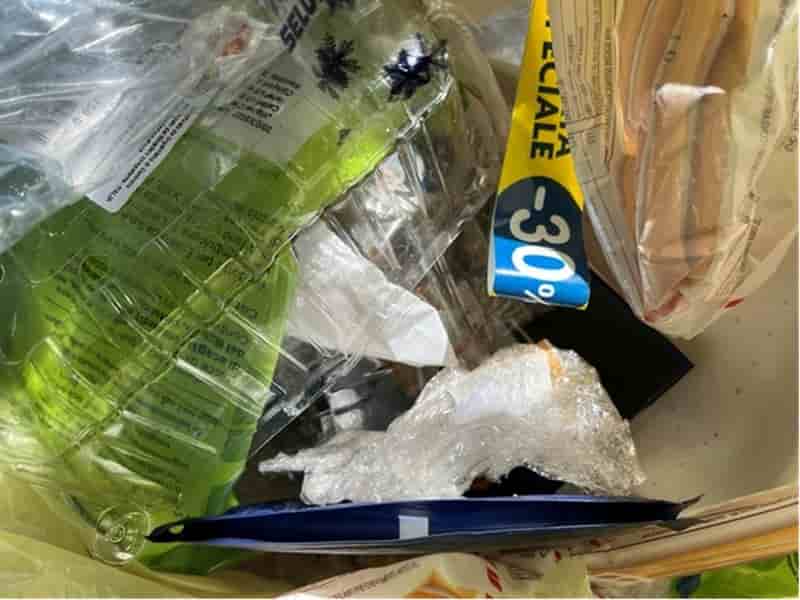
PCR fibers, commonly derived from recycled PET bottles and plastic waste streams, improve tensile strength, reduce shrinkage cracking, enhance impact resistance, and extend service life. These performance characteristics are critical for infrastructure resilience, particularly in regions experiencing rapid urbanization and climate stress. recycled polymer fibers
Beyond mechanical benefits, PCR fiber additives significantly reduce reliance on virgin raw materials. This contributes to lower embodied carbon and supports ESG compliance across construction portfolios.
Market Drivers: Sustainability and Regulatory Pressure
Several structural forces are accelerating the Reinforced Concrete Additives Using PCR Fibers Market:
1. Circular Economy Mandates
Governments worldwide are enforcing stricter regulations on recycled content in building materials. Public procurement policies increasingly require minimum recycled thresholds, directly benefiting PCR fiber solutions.
2. ESG Commitments
Private developers and institutional investors are aligning projects with environmental, social, and governance standards. Sustainable building materials are no longer optional but central to financing strategies and stakeholder expectations. recycled polymer fibers
3. Green Building Certifications
Materials that contribute to LEED and other green certification systems are gaining competitive advantage. PCR fiber reinforcement supports lifecycle assessment goals and sustainable material credits.
4. Urbanization in Emerging Markets
Urban growth rates exceeding 3 percent annually in developing economies are driving demand for cost effective and durable construction inputs. The Reinforced Concrete Additives Using PCR Fibers Market is particularly well positioned in regions where infrastructure expansion is a national priority.
Application Areas Expanding Rapidly
The versatility of PCR fiber reinforcement is supporting adoption across multiple construction segments:
-
Residential slabs and foundations
-
Commercial high-rise structures
-
Industrial flooring systems
-
Precast concrete components
-
Road pavements and bridges
-
Tunnels and shotcrete applications
In industrial flooring and infrastructure, crack control and long term durability are critical performance parameters. PCR fiber additives provide shrinkage mitigation and enhanced structural integrity, reducing maintenance costs over the asset lifecycle. recycled polymer fibers
Lifecycle performance metrics are increasingly influencing procurement decisions. Developers now evaluate durability, impact resistance, and long term repair costs rather than focusing solely on upfront pricing. This shift strengthens the value proposition of the Reinforced Concrete Additives Using PCR Fibers Market.
Cost Efficiency Meets Environmental Performance
While sustainability drives adoption, cost optimization remains equally important. PCR fibers offer competitive pricing compared to traditional steel reinforcement in specific applications. They reduce labor requirements, simplify mixing processes, and minimize corrosion risks associated with metal reinforcements.
Over time, improved crack resistance and reduced maintenance intervals translate into measurable operational savings. For infrastructure projects with multi-decade lifespans, lifecycle cost reductions can be substantial.
This economic rationale, combined with regulatory momentum, underpins the projected 10.2% CAGR for the Reinforced Concrete Additives Using PCR Fibers Market through 2033. recycled polymer fibers
Competitive Landscape and Innovation Trends
Market participants are investing heavily in research and development to improve fiber dispersion, tensile performance, and compatibility with high performance concrete formulations.
Key innovation areas include:
-
Hybrid reinforcement systems combining PCR fibers with microfibers
-
Enhanced bonding technologies for superior stress transfer
-
Additives optimized for extreme weather conditions
-
Digital performance modeling for structural optimization
Strategic partnerships between recycling companies and construction material manufacturers are also strengthening supply chain reliability. This vertical integration ensures stable feedstock availability while supporting waste reduction goals. recycled polymer fibers
As sustainability reporting becomes more transparent, companies able to verify recycled content and carbon reduction metrics will gain a competitive edge within the Reinforced Concrete Additives Using PCR Fibers Market.
Regional Outlook
Europe and North America are leading early adoption due to strict environmental policies and advanced green building frameworks. Meanwhile, Asia Pacific represents the fastest growing region, driven by large scale infrastructure investments and increasing regulatory awareness. recycled polymer fibers
Middle East and Latin American markets are also demonstrating rising interest, particularly in large public infrastructure projects where durability and lifecycle efficiency are essential.
Regional policy alignment with climate targets will remain a decisive factor influencing demand trajectories.
Long Term Outlook: Structural Growth Ahead
The Reinforced Concrete Additives Using PCR Fibers Market is not experiencing a temporary surge but a structural transformation. Circular material recovery systems, infrastructure modernization programs, and ESG capital flows are converging to reshape construction material standards. recycled polymer fibers
As recycled polymer processing technologies improve, fiber quality and performance consistency will continue advancing. recycled polymer fibers
This will further integrate PCR reinforcement into mainstream structural engineering practices.
By 2033, the projected $2.19 billion valuation reflects both quantitative expansion and qualitative evolution. PCR fiber reinforcement is transitioning from niche sustainability solution to core structural specification.
For stakeholders across the value chain, including recyclers, material suppliers, contractors, and infrastructure planners, the market presents scalable growth opportunities aligned with global decarbonization objectives.
More…